

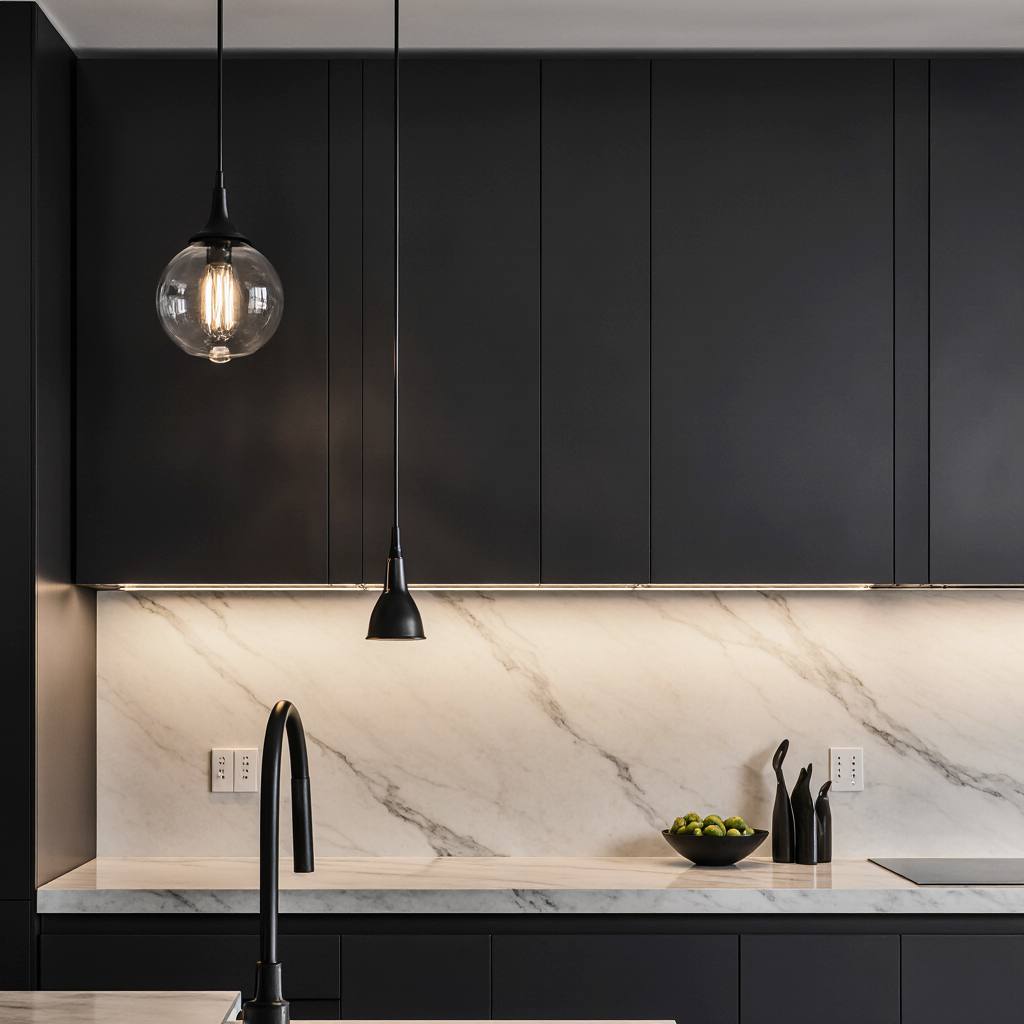
Choosing the Right Lighting for the Kitchen
Lighting in the kitchen is one of the most important aspects in kitchen planning and design. The right lighting can enhance the overall feel in the kitchen, make work easier, and upgrade the design. Improper lighting, on the other hand, can create a sense of discomfort and be a hindrance during cooking.
Choosing the right lighting for the kitchen starts with general lighting planning. This includes deciding on the placement of the fixtures, choosing the type of fixtures, and considering the need for additional lighting in specific areas of the kitchen.
Deciding on Fixture Placement
When planning the lighting of the kitchen, it is important to think about the placement of the fixtures. Focused lighting in the right place can evenly illuminate the kitchen and allow for comfortable and clear visibility during cooking.
Choosing the Type of Fixtures
There are several types of fixtures that can be used in the kitchen. LED fixtures are a popular choice because they are energy-efficient, durable, and come in a wide range of color temperatures. Halogen fixtures offer warm and pleasant lighting, but they heat up quickly and can pose a fire hazard. Fluorescent fixtures are a great choice for large kitchens, but they can be bulky and not suitable for all designs.
Considering the Need for Additional Lighting
Often, the general lighting in the kitchen is not sufficient for precise and professional work. In these cases, you may want to add additional lighting, such as under-cabinet lighting or lighting for specific work areas, for example, above the countertop.
Choosing the right lighting for your kitchen can significantly impact the atmosphere and design of the kitchen. Remember, the right lighting can change the look of your kitchen and make it a pleasant and inviting space for anyone who enters.
Matching the Lighting to the Size of the Kitchen
The kitchen is one of the most important and most used spaces in the home, so it is important to pay special attention to lighting design. Kitchen lighting should be both functional and aesthetic. The goal is to create the right atmosphere and, no less importantly, to provide perfect conditions for cooking.
“The goal of sophisticated lighting in the kitchen is to add comfort, aesthetics, and functionality”
Eli Gutman – Interior Designer
When choosing lighting for the kitchen, it is important to consider the size of the space. Small kitchens have different lighting needs than large kitchens. A small kitchen may suffice with one central light, but a large kitchen may require multiple light sources.
Lighting for a Small Kitchen
In a small kitchen, use central lighting to illuminate the entire space. This lighting should be bright enough to allow for comfortable cooking but not too strong to affect the atmosphere. Additional lighting can be integrated under kitchen cabinets to provide direct light to the work area.
Lighting for a Large Kitchen
In a large kitchen, one central light may not be sufficient. In this case, you can use multiple scattered light sources in the space. There may be a need to use local lighting above certain work areas, such as the kitchen island or the sink. Additionally, built-in lighting in kitchen cabinets or pendant lighting above the central table can be used.
Overall, matching the lighting to the size of the kitchen is a task that requires planning and thought. With attention to the right aspects, you can create a pleasant and functional atmosphere in the kitchen, whether it is small or large.
Tips for Functional Lighting in the Kitchen
The kitchen is undoubtedly one of the most important rooms in the house, so it is very important to provide it with suitable lighting. Functional lighting in the kitchen can make the cooking experience more pleasant and efficient, while also adding a modern and elegant look to the space.
Task Lighting: One of the important ways to bring functional lighting to the kitchen is by using task lighting. This is lighting positioned above work surfaces, such as the central island, cooking area, and sink. This lighting helps illuminate the work areas and reduce the risk of accidents.
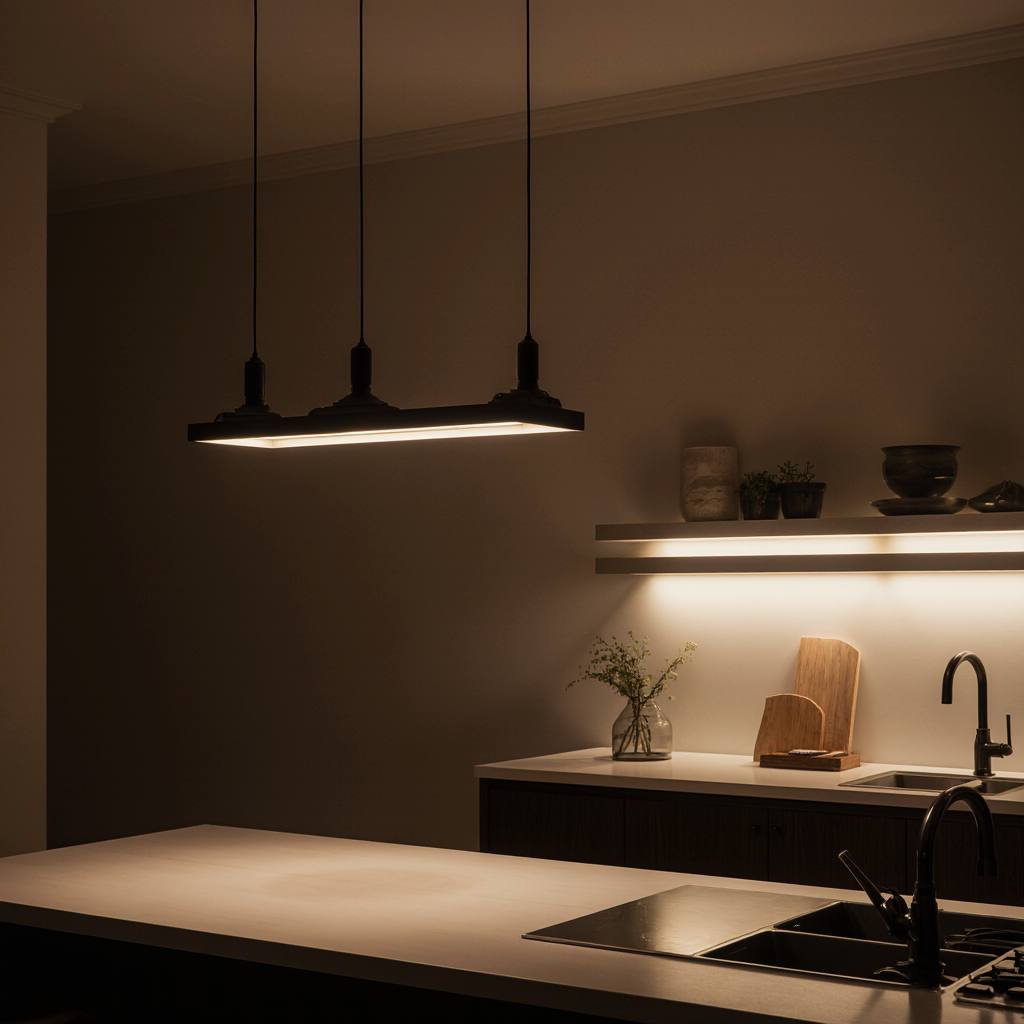
Kitchen Lighting: This lighting serves to illuminate the entire kitchen and create a warm and inviting atmosphere. This can be achieved through the use of central lighting in the kitchen ceiling, such as pendants or ceiling fixtures.
Circle Lighting: The angle of the kitchen circle lighting can significantly affect the business experience. A warm or cool tint can change the feel in the kitchen and affect your work.
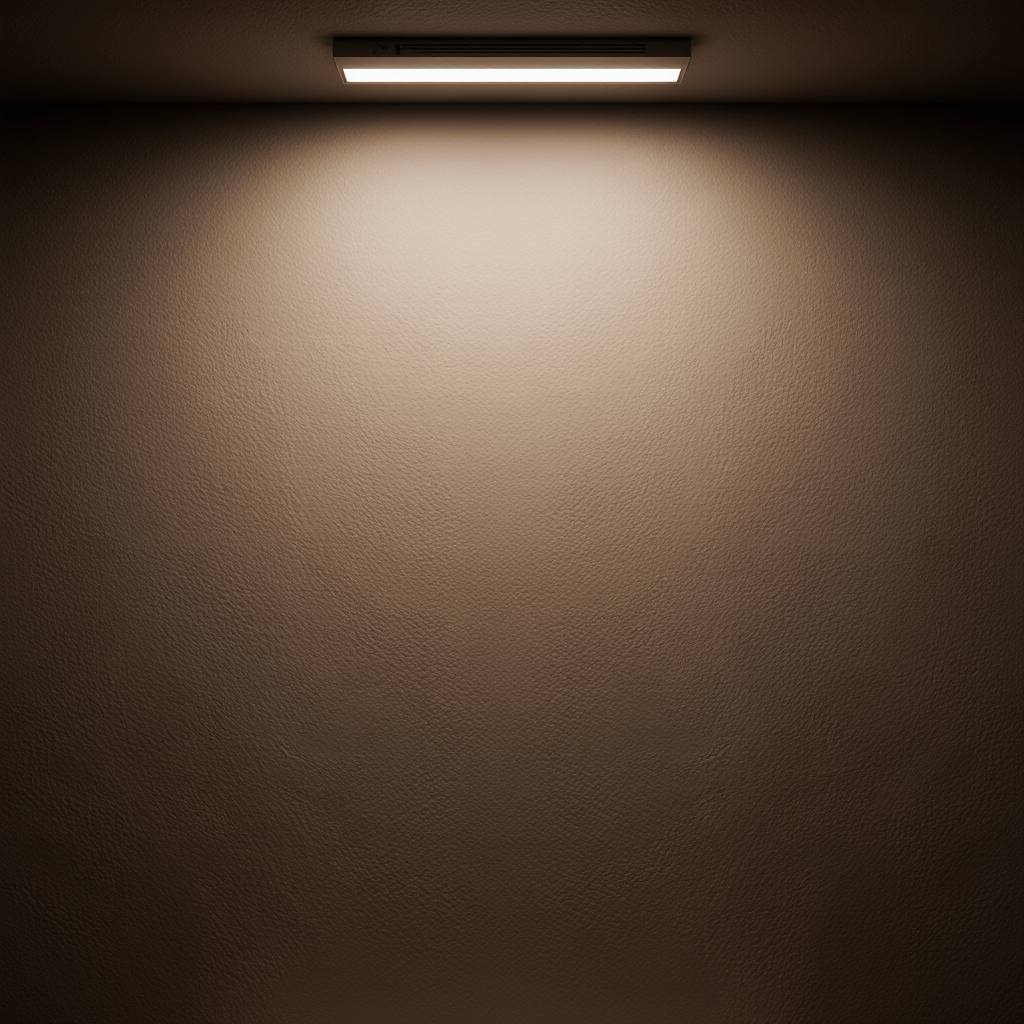
Under Cabinet Lighting: Using lighting under kitchen cabinets can add a pleasant atmosphere to your kitchen and make cooking more convenient. LED bulbs are an excellent choice for this, as they enhance color perception and are energy-efficient.
Island Lighting: If you have a kitchen island, it is important to dedicate special lighting to it. Sophisticated lighting above the island can enhance the comfort in the kitchen and turn the island into the focal point of activity.
When designing lighting for the kitchen, it is important to remember that lighting is not just a practical matter but can also add style and elegance to the space. With the variety of options available today, you can find the perfect lighting that suits your kitchen style.
Combining Different Types of Lighting in the Kitchen
Appropriate lighting in the kitchen is not just a way to illuminate the space but also a means to highlight the design aesthetics. There are three main types of lighting: general lighting, task lighting, and ambient lighting. Each serves a specific purpose and influences the atmosphere in the kitchen.
General Lighting: This type of lighting provides the basic light in the kitchen. Ceiling fixtures are a common way to achieve this lighting. Additionally, you can also combine built-in ceiling lighting or recessed ceiling fixtures to enhance the lighting.
Ambient Lighting: This type of lighting is ideal for creating atmosphere. Wall sconces, pendant lights, or table lamps can serve as ambient lighting. They allow you to adjust the kitchen lighting as needed and also provide a decorative element.
“The best lighting in the kitchen is the one that suits your specific needs”
Dana Goldstein – Architect and Interior Designer
Task Lighting: This type of lighting is required for specific tasks such as cooking or cutting. This can be achieved through under cabinet lighting or focused task lights. Task lighting also includes task-oriented fixtures placed in a focused manner on specific work areas.
In fact, the perfect combination of different types of lighting can enhance the functionality and aesthetics of your kitchen. For example, strong general lighting can be combined with task lights to create an atmosphere, and task lights can illuminate work surfaces. The goal is to place the right light in the right place so that your kitchen is both functional and inviting.
“There is nothing like a well-lit kitchen that invites the family to gather in it”
Avi Rozan – Lighting Designer
In the end, lighting design in the kitchen is a matter of personal taste. However, it is important to remember that suitable lighting can improve the cooking experience and make the kitchen a comfortable and inviting place.
The Influence of Lighting on the Atmosphere in the Kitchen
Lighting in the kitchen plays a central role in creating the atmosphere and feel in the space. Precise lighting can turn the kitchen into a warm and inviting place, while inadequate or excessive lighting can create a cold and unpleasant atmosphere. Every element of lighting, from the fixture you choose to the lighting shape and placement, affects the atmosphere in the kitchen.
In planning the lighting for the kitchen, consider three types of lighting: general lighting, task lighting, and ambient lighting. General lighting illuminates the entire kitchen, task lighting focuses on specific areas like the countertop, and ambient lighting adds touches of light and shadow that give the kitchen a special atmosphere.
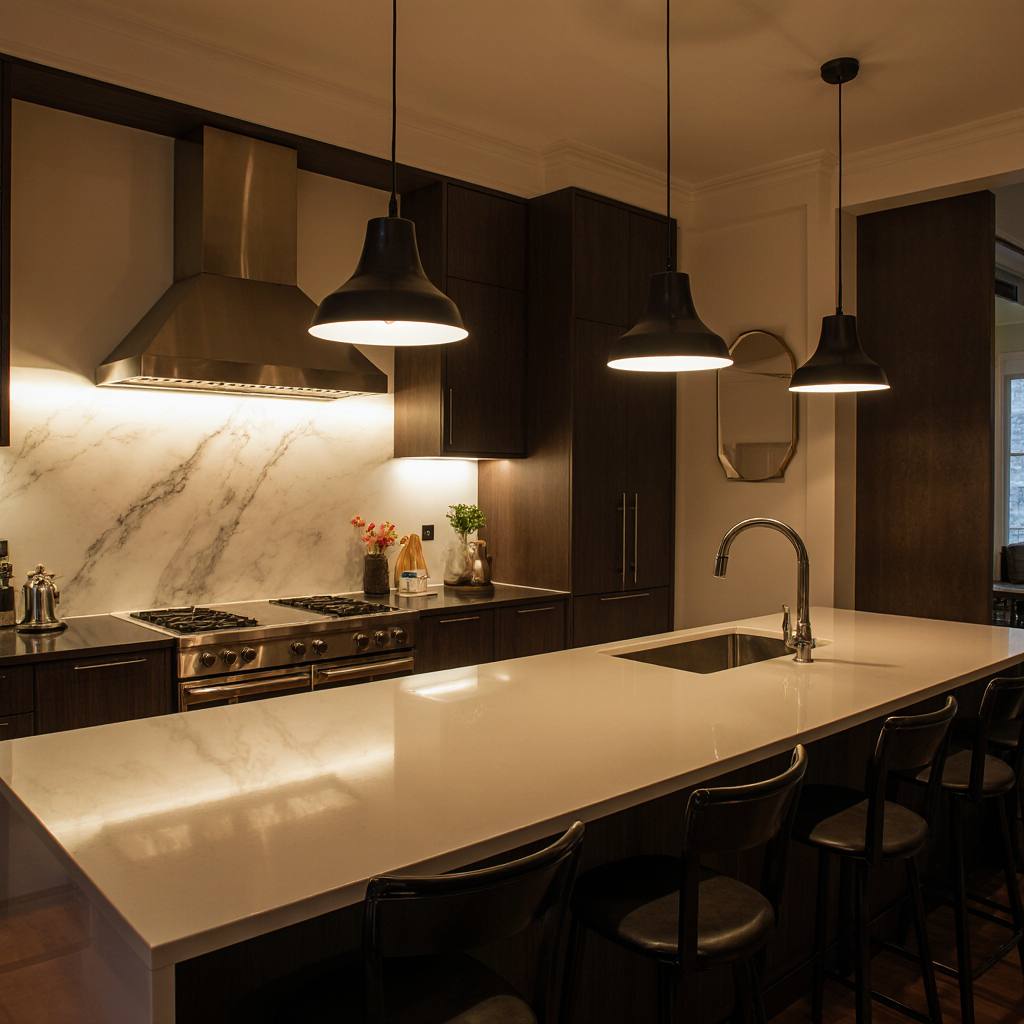
The placement of lighting decisively influences the atmosphere in the kitchen. Lighting above the countertop can create a pleasant and warm atmosphere, while lighting under kitchen cabinets can enhance the feeling of space. It is important to place the lighting in a way that evenly illuminates the entire kitchen, without highlighting over-lit areas or areas in shadow.
The type of bulbs you use can also influence the atmosphere in the kitchen. LED bulbs provide strong and bright light that may be suitable for areas where you perform tasks requiring precise visibility, such as chopping vegetables. Halogen bulbs provide warm and pleasant light that can add a warm and inviting atmosphere to the kitchen.
Choosing the right lighting for your kitchen can be a challenging task, but the result is a kitchen where you’ll want to spend time, cook, and entertain. In planning the lighting in the kitchen, remember that the goal is to create a pleasant and inviting atmosphere that makes the kitchen the heart of the home.