

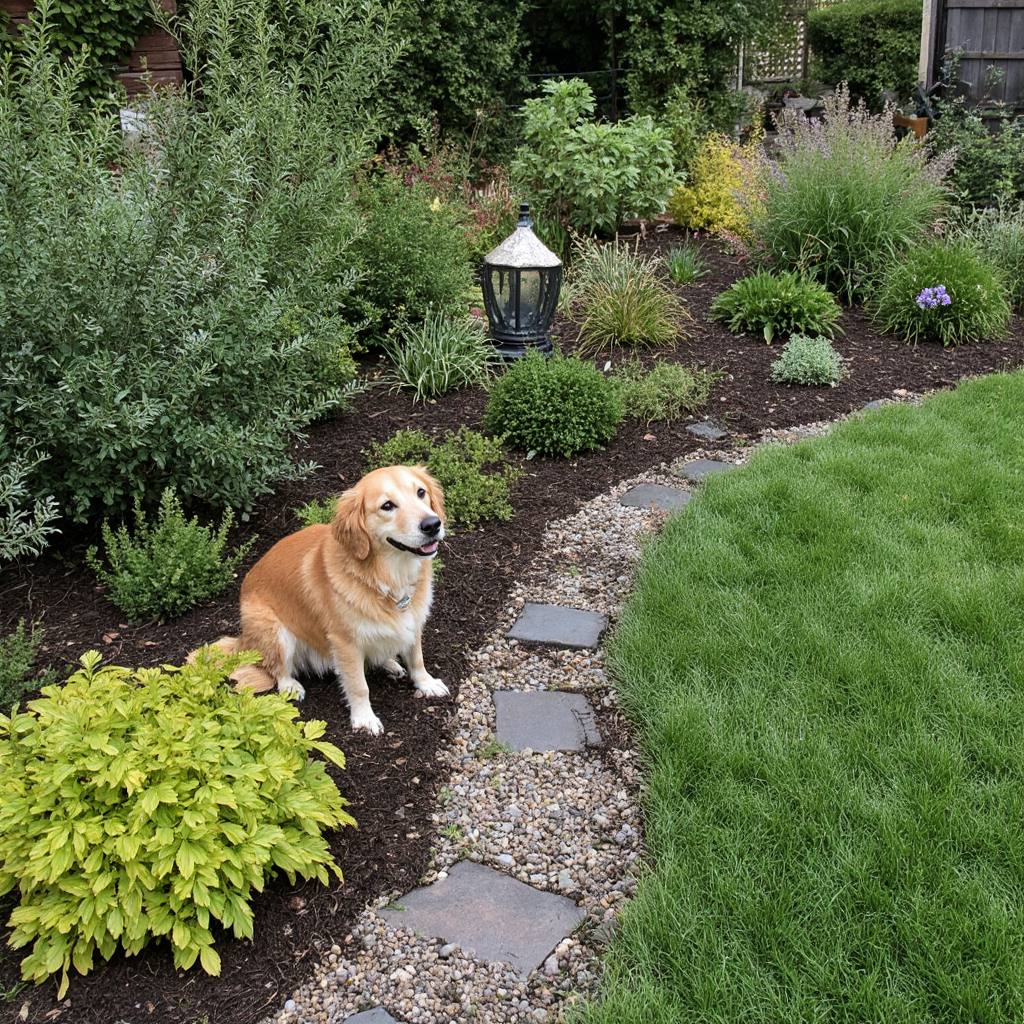
Play Areas for Children in the Garden
The garden is a perfect place for children to play, develop, and learn about nature. Therefore, it is important to design it in a friendly and challenging way for children. In this section, we will share with you some ideas for play areas for children in the garden.
Personal Sandpit Area
One of the simple and fun ways for children to play is with sand. A sandbox can turn your garden into a place where your children can build, dig, and create endlessly.
Playground Track
If you have enough space, you can build a full playground track with slides, jumps, and climbing structures. This area will challenge children’s climbing skills, balance, and strength.
Natural Art Area
You can create an art area in the garden where children can use natural materials to create art pieces. This area will encourage creativity, nature experience, and independent learning.
Pet Protection Area
Establishing a pet protection area can be challenging and exciting for children. They will learn to recognize different types of animals, create a safe place for them, and take care of their needs.
When designing play areas in the garden, it is important to remember that the goal is to create a friendly, challenging, and stimulating play environment. The combination of each of the proposed areas can offer your children a diverse and interesting play experience, helping them in their healthy and balanced development.
Adapting the Garden for Pets
Adapting the garden for pets is part of designing a garden friendly to children and pets. Greenery and nature in the home are a source of peace and tranquility, but in order for the garden to be pet-friendly, several factors need to be considered.
Enclosures
Some pets live in garden enclosures. Make sure that the enclosures are equipped with suitable vegetation for the pets and are not dangerous to them.
Plants
There are certain plants that can be harmful to pets. Therefore, make sure that the plants in the garden are not harmful to your pets.
Water
If there is a pool or water reservoir in the garden, make sure they are not dangerous to your pets. Install a fence or remove the water if it poses a danger.
Growings
It is important to consider your pets when choosing plants and growings in the garden. Make sure they are not harmful to pets and provide them with space to play and roam.
Shade
Pets need a place to seek shade on hot days. Make sure there is enough shade in the garden for your pets.
Food
Ensure that your pets can find food in the garden. Consider the pets’ need for food and make sure they receive what they need.
When adapting the garden for pets, it is important to remember that the garden is also your space. A garden that considers the limitations and needs of all family members, including pets, will become a favorite and calming place for everyone.
Choosing Suitable Plants for a Child and Pet-Friendly Garden
The plants in our garden are one of the central elements that influence its atmosphere and appearance. When it comes to a child and pet-friendly garden, you need to choose plants that are non-toxic, resistant to high activity, and accessible to household pets.
Toxic Plants
Some common garden plants contain toxic substances that can cause serious health problems for children and pets. This recommendation is correct for plants like oleander, rhododendron, azalea, purple oleander, and more. Choose plants that do not contain toxic substances.
Resilient Plants
Children and pets feel comfortable playing in the garden, so it is important for the plants to be resilient to high activity. Plants like grass, bamboo, and petunias are resilient plants that are easy to grow in the garden.
Pet Accessible Plants
Some plants in our garden can serve as a food source for household pets. For example, mint is a great food source for cats, and rosemary provides shelter for birds and insects. Make sure that the plants do not contain toxic or harmful substances for pets.
Choosing the right plants for your garden is a process that should involve you. Making sure to choose safe, resilient, and accessible plants for pets can turn your garden into a safe and enjoyable play area for children and pets.
Tips for Minimizing Dangers in the Garden
The garden is a place full of activity and life, but there are also potential dangers that can be harmful to children and pets. Here are some tips for minimizing the dangers in the garden.
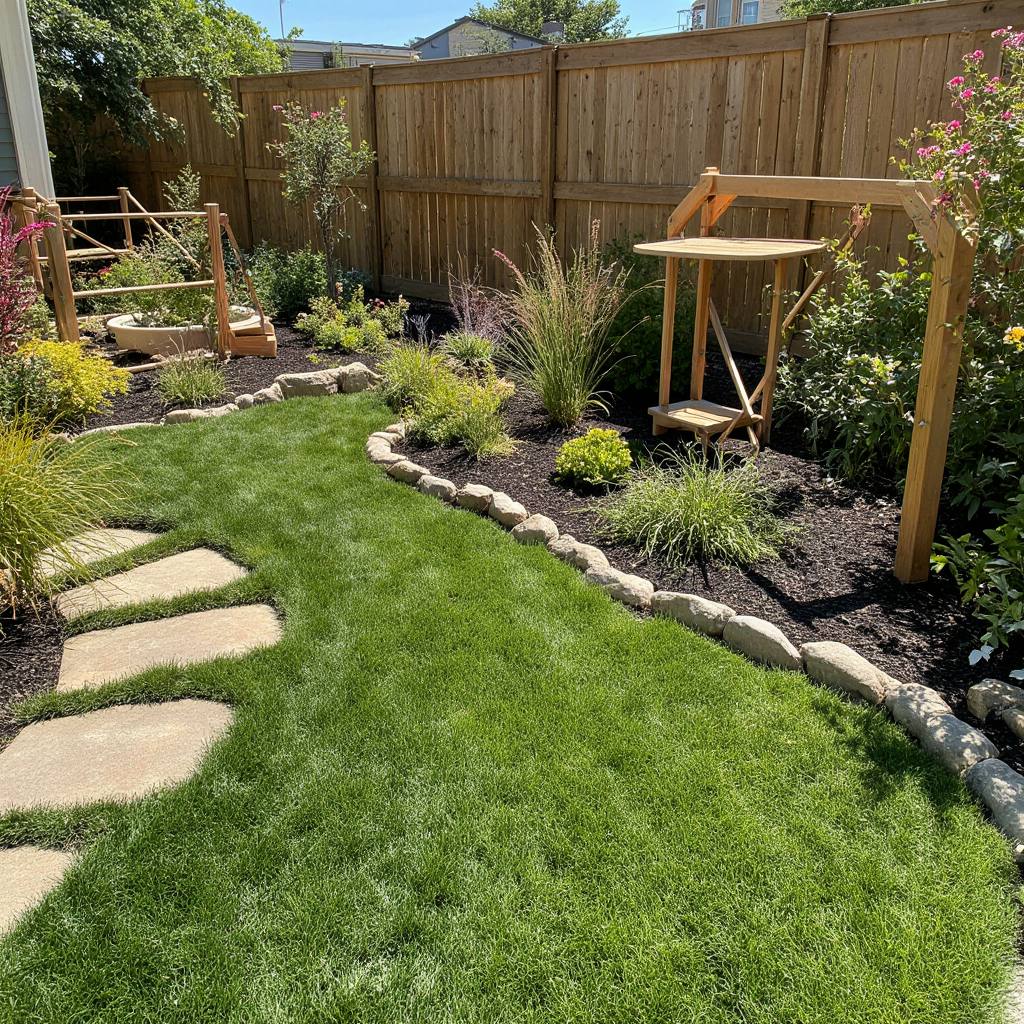
1. Choose Non-Toxic Plants: There are many plants that can be toxic to children and pets. Check the plants you already have in the garden, and if you plan to add new plants, make sure they are not toxic.
2. Avoid the Use of Chemicals: Chemicals like pesticides and herbicides can be harmful to children and pets. Instead of using them, try natural alternatives.
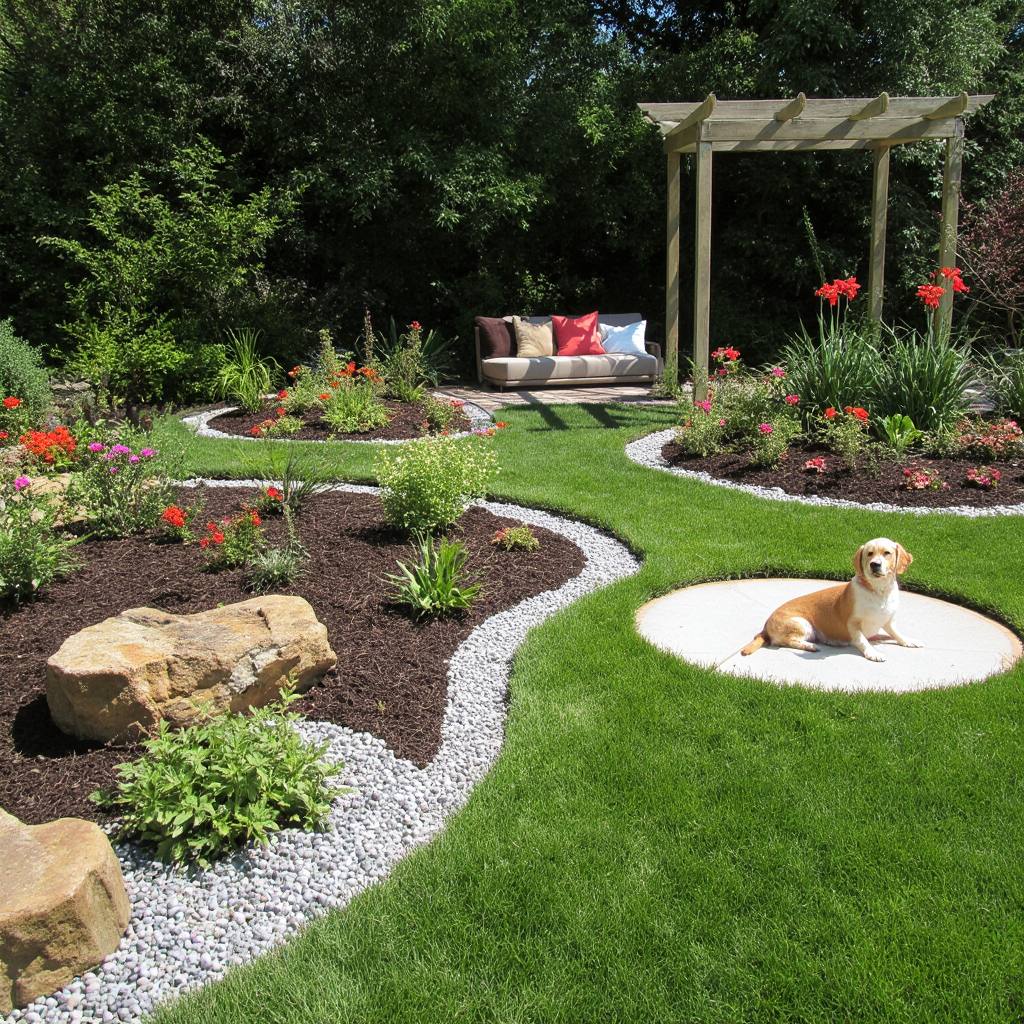
3. Adjust the Structures in the Garden: Tall or insecure structures in the garden can be a danger. Ensure that all structures are secure and cannot fall on children or pets.
4. Organize the Area: Play areas should be organized and free of debris and unnecessary items that can cause injuries.
“A home that starts with the living room and continues to the garden is a home that values everyone in it”
Daniela Miller – Experienced Interior Designer
5. Choose Suitable Surfaces: Use surfaces that cannot become a danger, like sand or wood, instead of slippery green grass or stone floors.
Designing a garden friendly to children and pets is a process that requires planning and attention to detail. Following the above tips, you can create a garden that is safe and enjoyable for everyone.
Examples of Garden Design Friendly to Children and Pets
A garden that is meticulously planned and considerate can become a space where children and pets feel at home. Choosing the right plants, adapting spaces, and planning suitable play and relaxation areas can turn your garden into a perfect place for all family members.
“Designing a garden friendly to children and pets is a process that requires investment, but it’s worth it”
Amnon Peretz – Salon and Garden Designer
For example, designing an herb garden can offer a floating experience for children and pets. Diverse herbs like mint, lavender, and rosemary improve the surrounding air, provide comfortable spaces for rest and play, and offer scents that provide a stunning sensory experience.
“Love, attention, and understanding – that is the key to designing a successful garden that suits everyone in the house”
Lea Cohen – Courtyard Design Specialist
Customized play areas can provide a narrative and enjoyable space for children. Excellent examples are play areas with sand, jumps, climbs, and also comfortable spots for rest and reading, like shaded corners with low chairs or even hammocks.
In addition, establishing shelters for local animals such as insect towers, bird feeders, or built-in corners for other small animals can turn your garden into a true oasis for life.
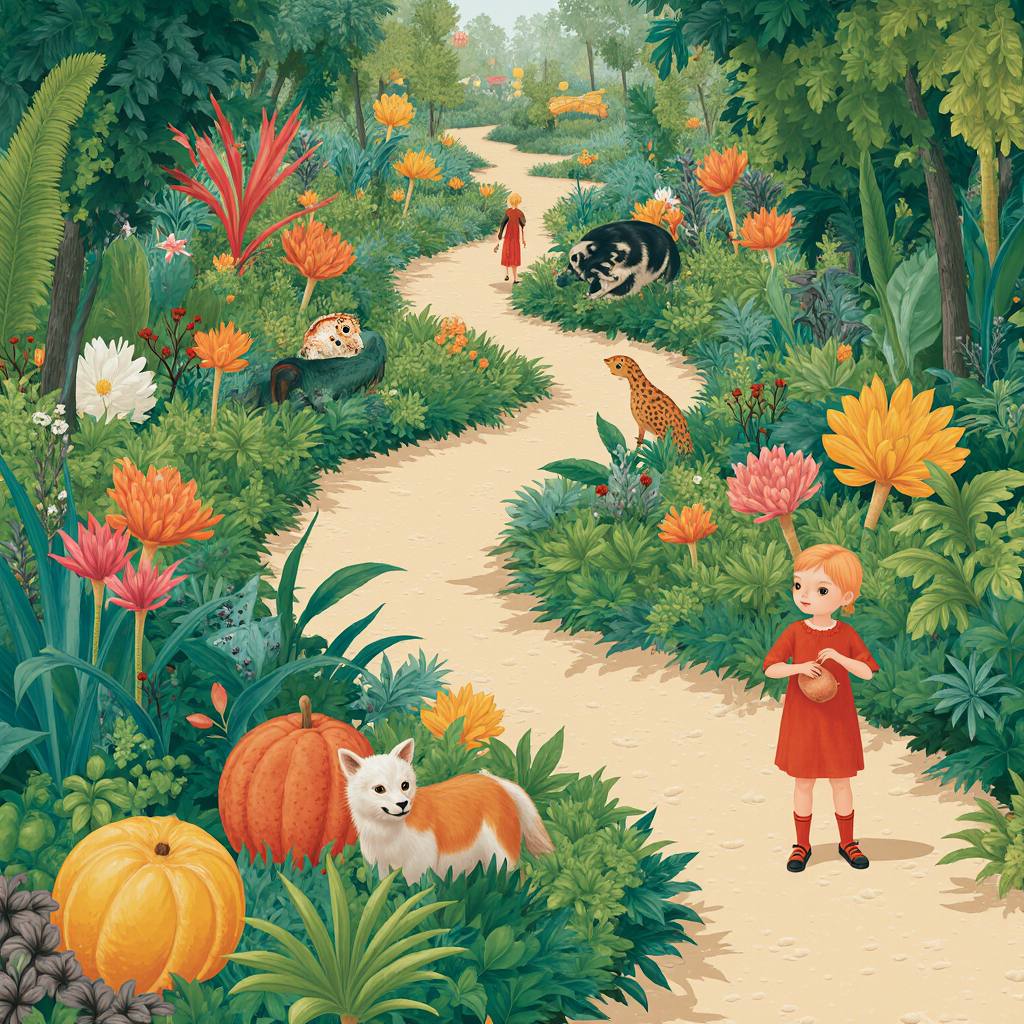
Designing a child and pet-friendly garden requires also thinking about safety. Non-toxic plants, safe play tracks, and protected structures are just some of the things to consider.
In fact, designing a garden friendly to children and pets is a design that considers all family members. By combining play areas, relaxation areas, walking paths, and green spaces, you can create a space that is loved by everyone.