

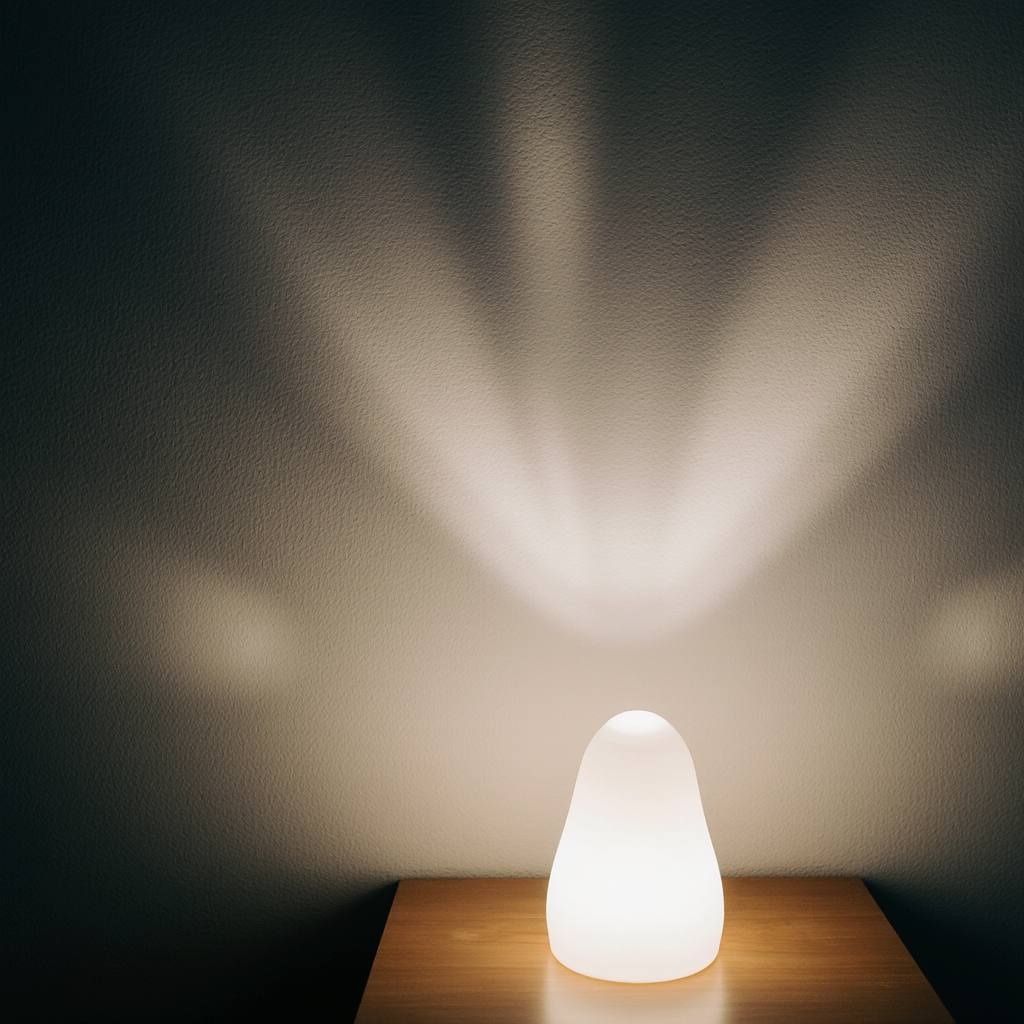
The Right Choice of Lamps for a Children’s Room
Lighting is a key factor in room design, especially when it comes to children’s rooms. Choosing the right lamp can influence not only the atmosphere in the room but also the child’s comfort and ability to focus on various tasks.
When looking for a lamp for a children’s room, it is important to consider several factors. Firstly, consider the intensity of the light. A lamp that is too strong can be tiring for the eyes, while a lamp that is too weak may make it difficult for the child to see properly. Additionally, it is recommended to choose a lamp that allows you to adjust the emitted light – this way, you can change the light according to your needs.
Secondly, consider the design of the lamp. A lamp with a fun and unique design can add a touch of color and life to the room. You can choose lamps in the shape of certain characters the child loves, or lamps with special designs that match the room’s decor.
Finally, it is important to choose a safe lamp. This is a lamp that does not heat up during use and does not pose a danger to children. Additionally, make sure that the lamp is placed in a location where the child cannot reach it and be harmed by it.
Choosing the right lamp for a children’s room is a task that requires careful consideration. Beyond that, it can turn the room into a place where the child feels comfortable, happy, and content.
The Impact of Lighting on Good Sleep and Children’s Vision
Proper lighting in a children’s room affects not only the quality of the child’s sleep but also their vision. If the lighting in the room is not suitable, it can lead to eye fatigue, sleep difficulties, and even vision problems later on.
The Impact of Lighting on Good Sleep
Lighting in the room is one of the most important components that affect the quality of sleep. During sleep, our brain naturally relies on external light, with the natural morning light waking us up and the darkness of night putting us to sleep. Therefore, using proper lighting in a children’s room can help support their biological sleep system.
The Impact of Lighting on Children’s Vision
Vision is a central part of a child’s life, and the impact of lighting on it is particularly important. Lighting that is too strong can cause eye fatigue and long-term vision impairment. On the other hand, lighting that is too weak can force the child to strain their eyes to see clearly, leading to eye fatigue and pain.
How to Choose the Right Lighting for a Children’s Room?
Choosing the right lighting for a children’s room requires careful consideration. It is advisable to use natural lighting as much as possible, but ensure that it is not too strong and does not strain the eyes. In addition, use night lights with soft light during nighttime hours to avoid disrupting the child’s sleep system. In spaces where children play or read, it is recommended to use lighting that allows them to see clearly without straining.
Overall, proper lighting in a children’s room is essential for good sleep, healthy vision, and a better experience in the room. With thought and careful planning, you can create the perfect lighting for the children’s room.
How Much and What Kind of Lighting is Needed in Children’s Rooms?
Proper lighting in a children’s room is no less important than in any other room in the house. Lighting is needed not only for illuminating the bedroom but also for creating a quiet and peaceful atmosphere that allows the child to feel safe and comfortable.
Choosing the right lighting for a children’s room starts with determining the need: whether primary lighting is required, which illuminates the entire room, or additional lighting, such as night lights or reading lights before bedtime.
“The light in the children’s room should be adjustable, so you can change the amount of light throughout the day”
Michal Peretz – Interior Designer
Primary Lighting: This lighting should illuminate the entire room. Choose a lamp that reflects light in different directions so that the light does not shine directly in the child’s eyes.
Night Lights: These lights allow the child to see in the dark without the need for the main light. Choose a lamp with soft light that turns on in the evening and turns off in the morning.
Reading Lights: This lighting is intended for cases where the child or parent reads a story before bedtime. It should illuminate the book without disturbing another child sleeping in the same room.
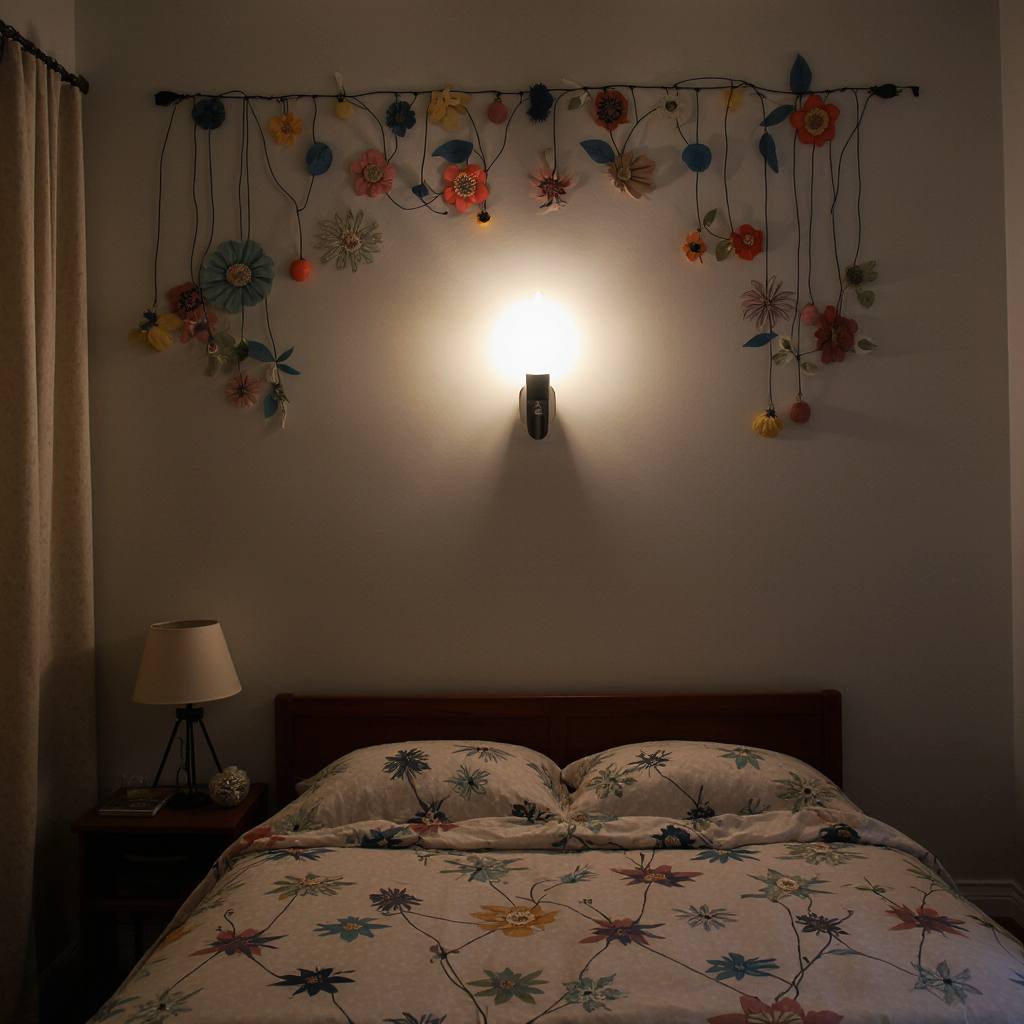
In addition, lighting can be used as a design element. Lamps in different shapes, special colors, or with dimming capabilities can contribute to the room’s atmosphere.
In conclusion, the right lighting in a children’s room is crucial for good sleep, healthy vision, and a better experience in the room. With consideration and precise planning, you can create the perfect lighting for the children’s room.
Designing a Children’s Room with Creative Lighting
Proper lighting in a children’s room is no less important than furniture and equipment. The right lighting can make the room comfortable, warm, inviting, and support the various activities the child engages in. Creative lighting can add fun and charm to the room, increase motivation for play and creativity, and help alleviate the fear of darkness.
Lighting in a children’s room should be diverse and flexible to adapt to the child’s activities. It is recommended to use multiple light sources: general lighting that illuminates the entire room, local lighting for specific activities like reading or playing, and ambient lighting that creates a pleasant and calming atmosphere.
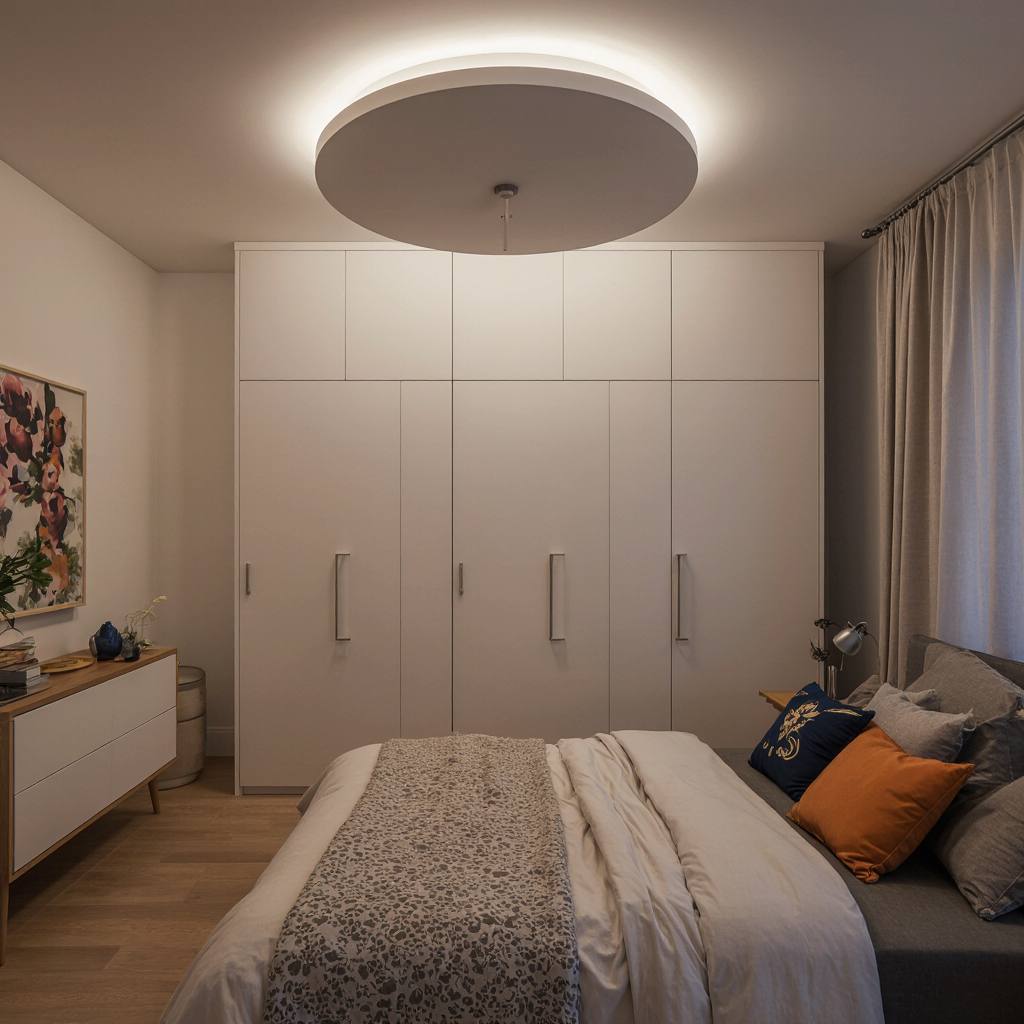
One way to bring creative lighting into the children’s room is by using colorful lamps. Colorful lamps can add color and life to the room, increase motivation for play and creativity.
Creative wall lamps are a great alternative to traditional ceiling lamps. They allow you to give the room a unique atmosphere and create an interesting and diverse look. These lamps create a sense of warmth and comfort in the space, encouraging creative activities and games.
Night lights are also an excellent option for creative lighting in the children’s room. They help the child feel secure at night and allow them to move and navigate the room comfortably during the late hours.
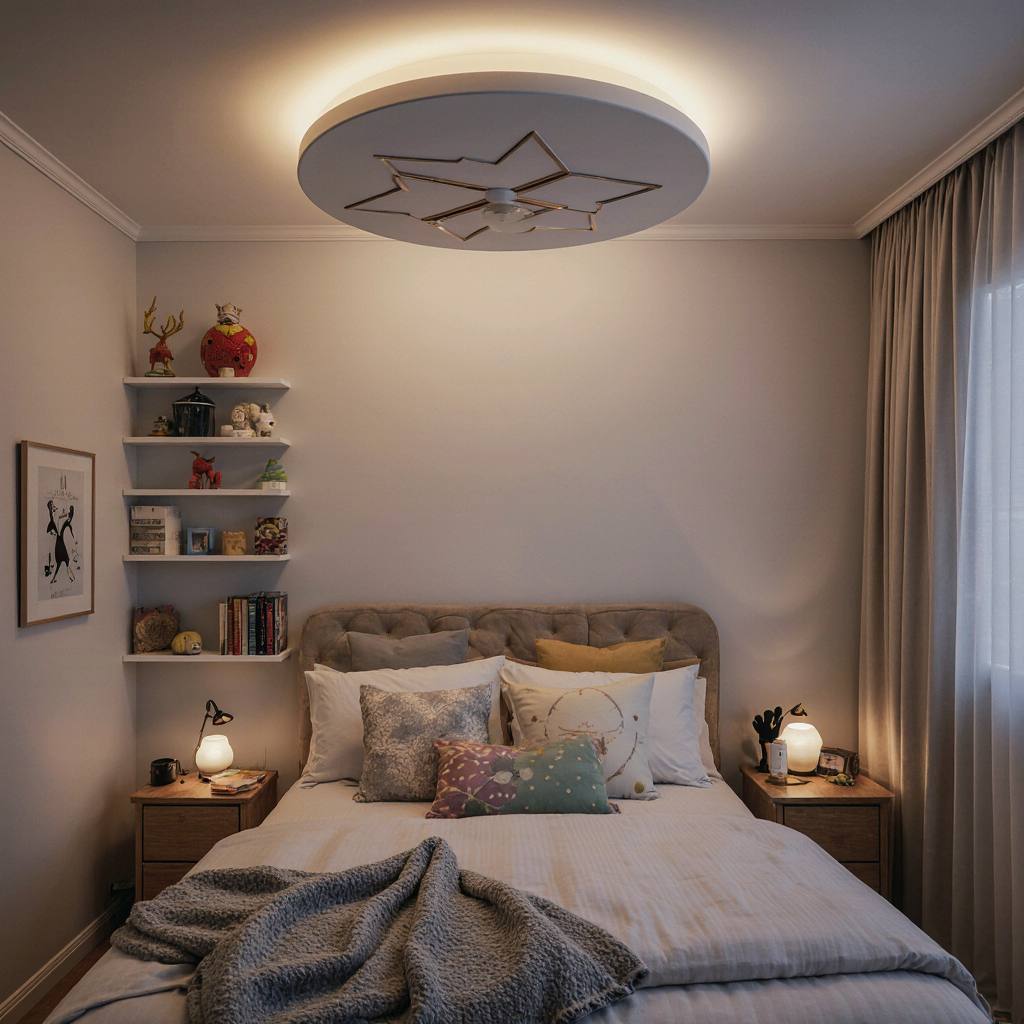
Choose lighting that suits the child’s age, character, and needs. The right lamp will transform the children’s room into a bright, pleasant, and inviting place and help them cope with their busy day.
Safety and Lighting: What to Pay Attention To?
One of the most important ways to ensure the safety of children in the children’s room is through proper lighting. Impressive lighting not only enhances the aesthetics of the room but also helps prevent hazards and reduce the risk of injuries.
One of the most common mistakes parents make is focusing only on the central lighting of the room. Pay attention that local lighting in specific areas of the room, such as the study area or play area, can be especially useful. For example, high-intensity lighting in the study area can help the child focus and prevent eye fatigue.
Choosing suitable lamps also plays a crucial role. We recommend choosing LED lamps that are energy-efficient, long-lasting, and do not heat up. Additionally, it is preferable to choose lamps that emit warm white light and not blue light, which can disrupt the child’s sleep.
Furthermore, you should pay attention to the safety of the lighting in the room. Make sure that all wires and sockets are out of reach of children. Also, it is advisable to install lamps in a high place that children cannot reach.
“Investing in proper lighting in the children’s room is an investment in their health and quality of life”
Shai Nissim – Architect
Finally, even though lighting is a very important part of room design, no matter how beautifully the room is designed, if the child does not feel comfortable in it, it does not matter. Proper lighting can turn the room into a pleasant and inviting place where the child wants to be.
Tips for Personalized Lighting in Children’s Rooms
Proper lighting in a children’s room is just as important as furniture and room color. Lighting can affect mood, daily functioning, and how the child behaves in the room. Therefore, it is important to choose suitable lights and place them in the right location.
General Lighting: This is the basic lighting of the room. It should be balanced and not overpowering. Even reflection of light on the walls of the room can make the room pleasant and inviting. Ceiling lamps or integrated lighting that includes low lighting like table lamps or wall lighting can be used.
Local Lighting: This is lighting intended for a specific place in the room, such as a reading or play area. Table lamps or reading lamps on the bedside are excellent examples of local lighting.
“Proper lighting in the children’s room helps them feel safer and more comfortable in their space”
Rachel Goldstein – Living Room Designer
Night Lighting: This is lighting that illuminates the child when they are asleep. It should be gentle and quiet so as not to disturb the child’s sleep. Night lights or hallway lights are an excellent way to brighten the room at night without disturbing the child.
Cosmetic Lighting: This is lighting that adds an aesthetic touch to the room. Wall lamps, LED strips, or designer lamps can be used to add a unique and personal view to the child’s room.
Choosing the right lighting for a children’s room can be a challenging task, but with these tips, you can create a beautiful and properly lit children’s room. Remember, the main consideration is the child’s safety, everything else can be adjusted and changed according to needs and preferences.