

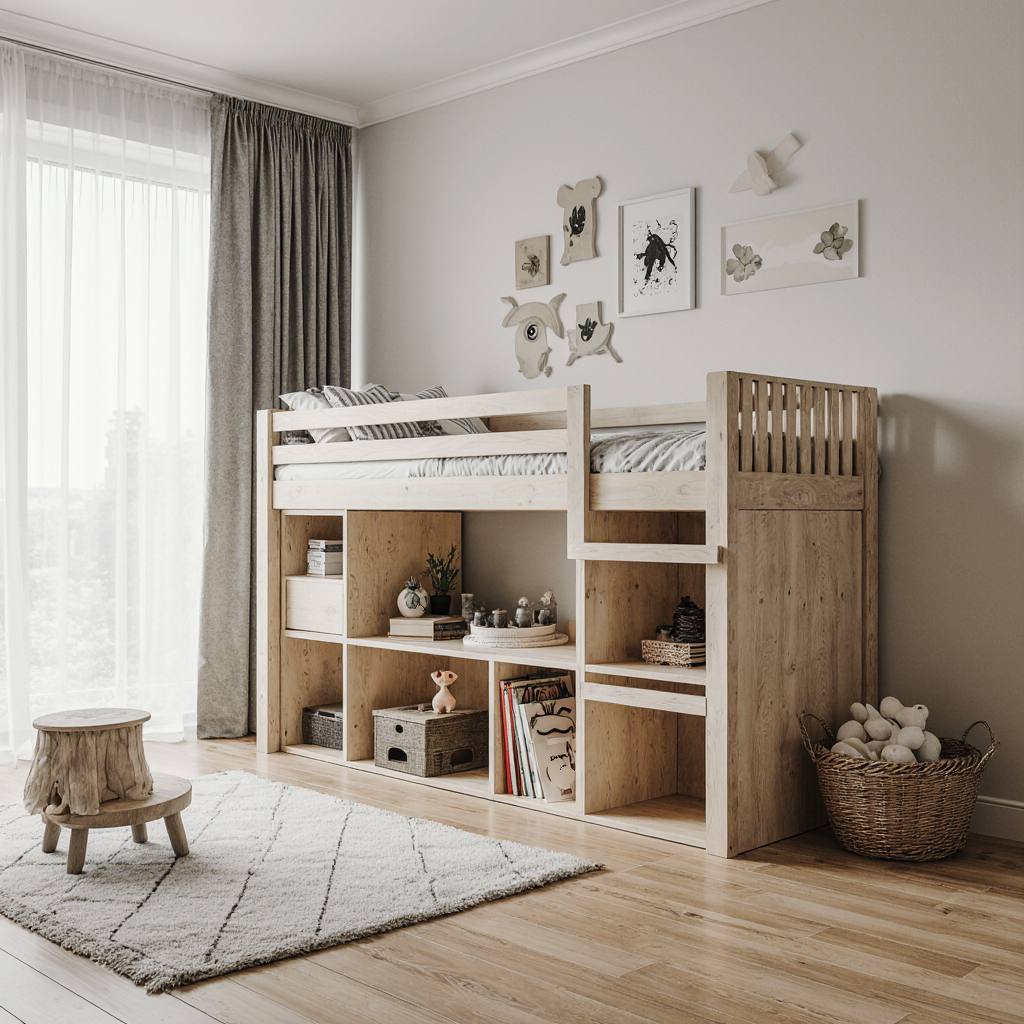
Planning a Flexible Play Area
Designing a flexible play area in a child’s room is a challenge that we face every day. At each stage of the child’s development, their hobbies, tastes, skills, and interests change, so we need to adapt the play area to their changing needs.
In planning a flexible play area, it is important to consider the organization of the space, lighting, colors, and furniture. The space should be organized in a way that the child can easily find their games, navigate the space, and feel at home.
The furniture should be comfortable and safe, with rounded edges and no sharp parts. It is important to choose furniture that can serve multiple functions, such as shelves that can hold books, games, or toys.
“Designing a room for a child that grows with them is a joyful challenge.”
Dana Shmaoni – Interior Designer
The lighting in a playroom should be pleasant and warm, while providing adequate lighting for playtime hours. Therefore, it is recommended to use table lamps or wall lamps that distribute light evenly throughout the room.
Choosing colors that encourage creative thinking and motivation for play is important. Bright and vibrant colors flow energy and joy, while dark and deep colors convey a sense of calm and tranquility.
Additionally, it is important to add play elements that the child can change themselves, such as removable wall stickers, chalkboards, painting walls, or even changing play corners.
“It is important to consider the child’s wishes when designing their room.”
Raphael Solomon – Interior Designer
Ultimately, the goal is to create a room for a child that grows with them, a room that is not just a place for rest, but also a place for play, creativity, reading, and learning.
Choosing Adjustable Furniture
In designing a room for a child that grows with them, precise planning of furniture is essential. When dealing with a room that evolves and develops with the child, it is important to consider the choice of adjustable furniture.
Adjustable furniture is the perfect choice for children’s rooms, as it allows flexibility and personalization according to the child’s needs. A convertible children’s bed, for example, can extend as the child grows. Adjustable chairs and tables can contribute to comfort and functionality, while adapting to the child’s changing height.
“The goal is to create a space that is interesting, functional, and grows with time.”
Yossi Yitzhaki – Interior Designer
One of the main advantages of adjustable furniture is the ability to save space. This furniture allows optimal use of space without compromising the child’s comfort. Additionally, adjustable furniture can adapt to changes in the child’s life, such as starting additional studies or focusing on a new hobby.
Furthermore, adjustable furniture allows the child to use it independently, contributing to the development of organizational skills and individuality. It also offers the possibility to change and upgrade the room’s appearance regularly, according to the child’s changing tastes and interests.
Choosing adjustable furniture requires thought and advance planning, but the results definitely justify the investment. This is the perfect way to ensure that the child’s room is always ready and organized, without the need to constantly change the furniture.
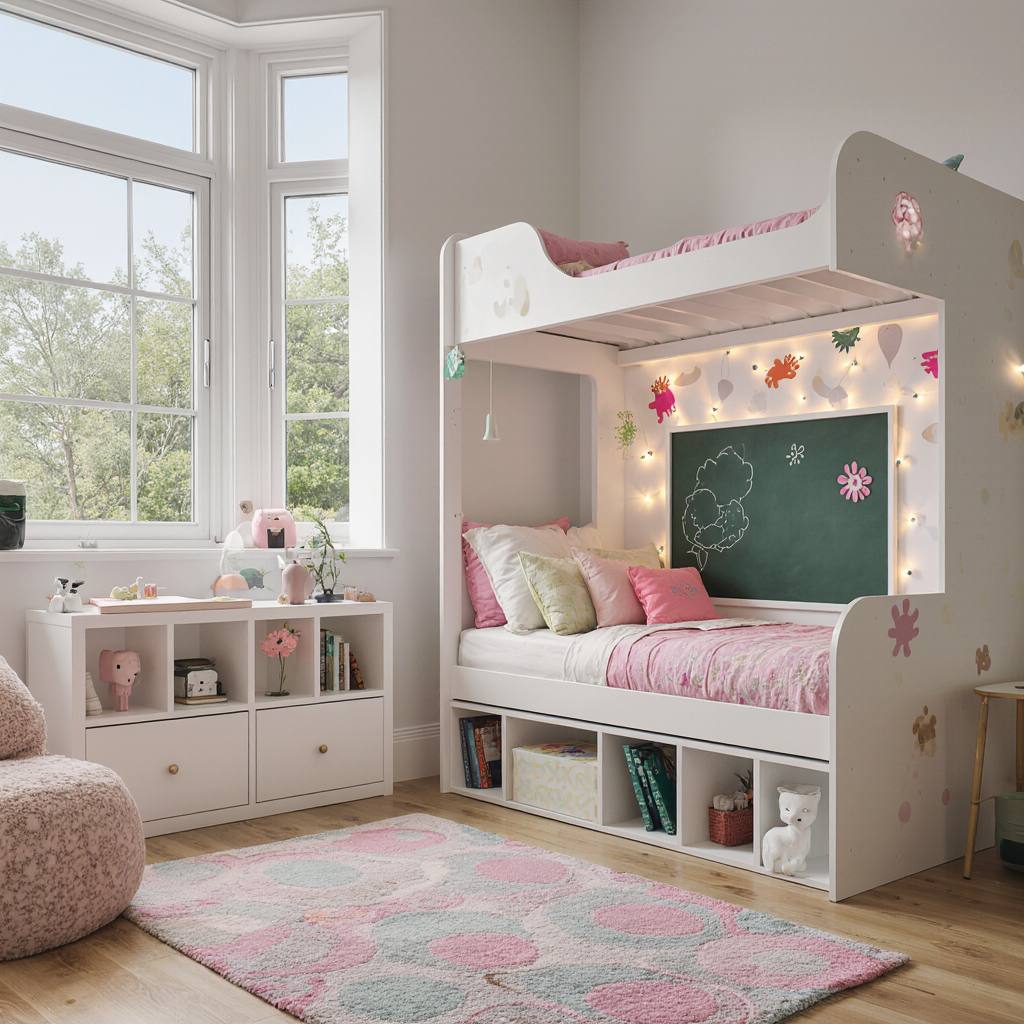
So, when planning your child’s room, consider choosing adjustable furniture. It will not only save you money in the long run but also provide your child with a room that develops and changes with them.
Utilizing Storage Space in a Child’s Room
A child’s room is a place where children spend a lot of time, so it is important to make the most of the space. Storage is one of the major challenges in designing a child’s room, especially as the room grows with the child. There are many ideas for utilizing storage space in a child’s room, and here are a few of them.
Bunk Beds
Bunk beds are not only an excellent solution for small rooms but also allow for multiple uses of space. The top bunk is used for sleeping, while the lower space can be used for storage, play, or a workspace.
Wall-Mounted Cabinets
Wall-mounted cabinets allow you to utilize the main space of the room without encroaching on the floor space. These cabinets can hold books, games, and toys, allowing the child to keep the floor clear for play.
Shelves and Bookcases
Shelves and bookcases are excellent solutions for storing books and toys. They provide easy access for the child and help maintain order in the room. Shelves can be hung on the walls, while bookcases can be square or rectangular, depending on the room’s design.
Under-Bed Storage
The space under the bed is an excellent storage area that is not in daily use, such as for large toys, sports equipment, or seasonal clothing. You can use storage boxes under the bed or purchase a bed with built-in drawers.
Overall, there are many ways to make smart and efficient use of storage space in a child’s room. To achieve the best solution, it is important to consider the child’s unique needs and the available space in the room.
Design that Changes with Age
Every stage in a child’s life has its own needs and interests, so it is important to consider that their room will change accordingly. Designing a room that changes with age allows you to adapt the space to the child’s needs at each stage. It can be a room suitable for infants, young children, school-aged children, and even teenagers.

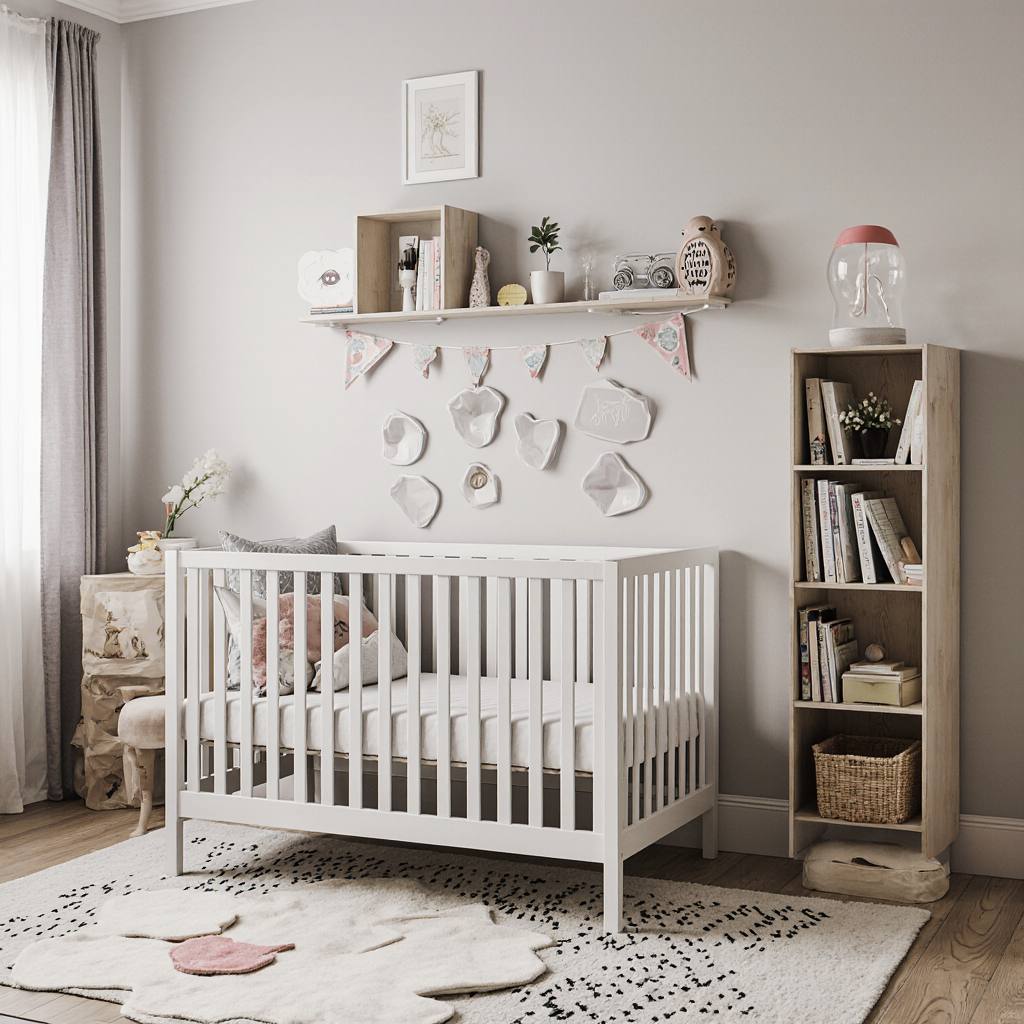
Initially, the room’s design can be dedicated to infants, with soft colors, cute pictures, and age-appropriate furniture. This may include a crib, a changing table, a bookshelf, and perhaps even a low nursing chair.
As the child grows, you can start introducing elements more suitable for young children. This could be a larger bed, a painting table and chairs, a toy shelf, and maybe even a defined play area.
As the child grows and becomes a student, the room can be adapted to new needs. A study area, seating for friends, and a book and game shelf become essential.
Finally, as the child grows into a teenager, the room can become a place that reflects their unique personality. A study area for homework, a sound system, and maybe even a coffee machine.
Designing a room that changes with age allows you to keep your child’s room updated and suitable for their needs at each stage. It’s the best way to ensure that your child always feels comfortable in their room.
Choosing Suitable Colors and Textures
When designing a room for a child that grows with them, it is very important to consider the choice of colors and textures. The colors and textures we choose will impact not only the overall look of the room but also the feeling the child will have in it. Therefore, there is great importance in making a thoughtful choice that will suit the child’s needs over the years.
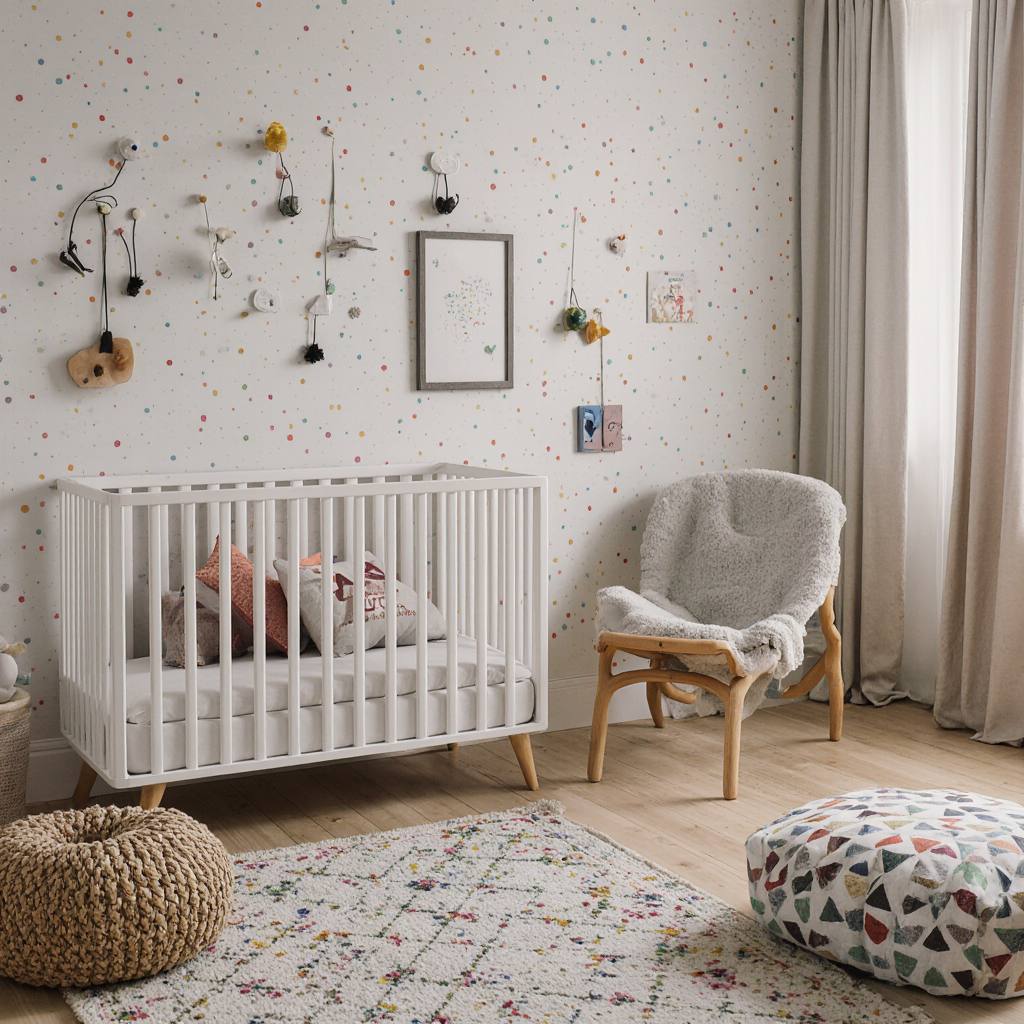
When it comes to colors, it is recommended to choose neutral and warm colors that can suit all ages. These colors provide a good base for future changes, and you can add accessories in bolder colors according to the child’s taste and preferences. There is no need to commit to very specific colors or trends.
Regarding textures, consider textures that can withstand the test of time, both in terms of durability and appearance. You can choose durable fabrics like canvas or corduroy for furniture, or pillows and blankets made of linen or cotton. Additionally, it is advisable to choose textures that are easy to clean, especially if the room also serves as a play area.
Choosing the right colors and textures for your child’s room is a process that requires thought and planning. Based on your child’s needs over the years, you can choose in a way that allows the room to grow and develop alongside the child. It’s a great opportunity to create a personal, pleasant, and inviting space where your child can develop perfectly.