

Choosing the Right Colors for Children’s Rooms
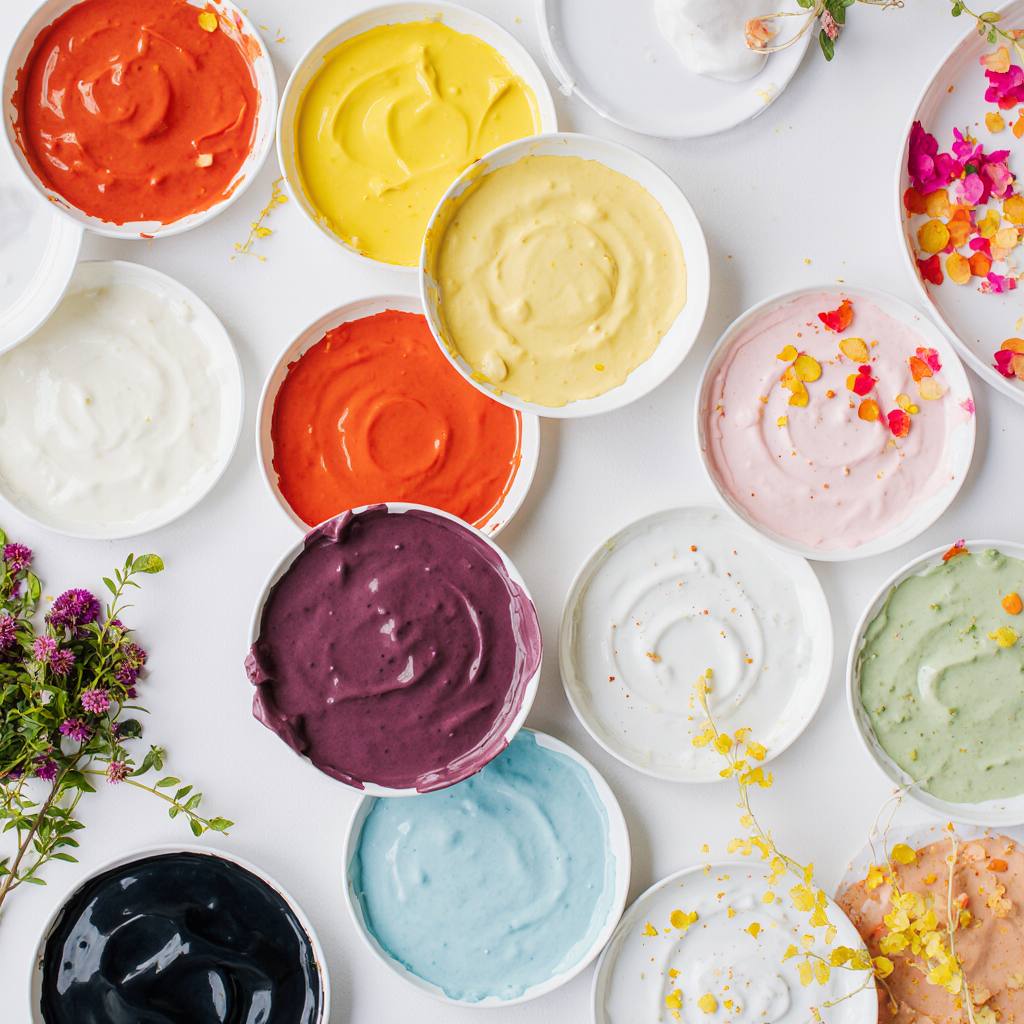
Choosing colors for a child’s room is not just a matter of aesthetics, but also of psychology. The colors in a child’s room can affect mood, concentration levels, and even sleep quality. Therefore, it’s important to choose colors that encourage creativity and calmness.
For example, green has the ability to create a sense of calmness and tranquility. It is recommended for children’s bedrooms, as it can support the relaxation process before sleep. Additionally, green also promotes a sense of peace and reduces stress.
Blue is a color that encourages relaxation and calmness, making it suitable for bedrooms. Furthermore, it has been found that the color blue can help improve children’s concentration levels.
In contrast, the color red can stimulate the nervous system and increase energy levels. Therefore, it’s preferable to avoid using this color extensively in bedrooms, but it can be suitable for areas where children play or socialize.

Purple gives a sense of creativity and fantasy, and is also suitable for bedrooms. It provides a feeling of calmness and expands the sense of space.
There is no doubt that choosing colors for a child’s room is a challenging task, but with a little planning and consideration, you can create a space that supports children in all aspects. It’s important to remember that the goal is to create a space that encourages creativity and calmness, while also being pleasant to spend time in.
Colors that Encourage Creativity: How to Choose?
Choosing colors for your living room decor is a task that needs to consider not only the home decor style but also the psychological effects of colors. Certain colors encourage creativity, calmness, and balance, so it’s important to know how to choose them consciously.
For example, green symbolizes freshness, tranquility, and peace, and helps reduce stress. This color is especially suitable for areas where you want to release tension and feel calm. Turquoise encourages creative thinking while maintaining a peaceful and calming atmosphere. It’s suitable for areas where you want to feel calm while maintaining mental activity.
Orange helps stimulate creativity and internal energy. It symbolizes warmth, optimism, and vitality. This color is suitable for areas where you want to feel active and full of energy.
“Choosing the right colors for your living room can turn it into a place you don’t want to leave.”
Naftali Beloch – Interior Designer
Red encourages energy, passion, and warmth. It is especially suitable for areas where you want to feel life in a bold and vibrant way.
Choosing colors for your living room depends not only on the design style you love but also on the goal you want to achieve. Are you looking for a calming environment that encourages creative thinking? Or do you prefer a warm and lively atmosphere that awakens your inner energy? Assuming you know what you are looking for, choosing the right colors for your living room will be much easier.
So how can you choose the right colors? The answer is to listen to your feelings, explore the psychological effects of colors, and try to understand which colors suit your lifestyle. It can be exciting and interesting, and ultimately, aim to create an environment where you feel most comfortable and happiest.
The Influence of Room Colors on Children’s Calmness
When planning our living space, we have many things to consider, and one of them is how the colors we choose will affect the room’s atmosphere. Especially when it comes to a child’s room, it is crucial to choose colors that can promote the child’s calmness.
The overall tone of the room can significantly affect the child’s mood. Warm colors like red, orange, and yellow can stimulate and increase energy, while cool colors like blue, green, and purple can create a sense of peace and calmness.

When planning the room, it’s important to consider the role the room plays in the child’s life. If the room serves as a place for play and creativity, you may want to choose warm colors that encourage energy flow. If, on the other hand, the room serves as a place for sleep and tranquility, you may prefer cool colors that can help the child relax and enter a state of inner peace.
Specific colors can also affect the child’s concentration level. For example, a hint of blue can help children focus more on tasks and reduce feelings of anxiety.
In short, choosing colors for the child’s room plays a central role in creating the atmosphere in which the child will grow and develop. By recognizing colors that encourage creativity and calmness, we enable our children to thrive and feel comfortable in their space.
Tips for Combining Colors in Children’s Rooms
The right combination of colors in children’s rooms can enhance the feeling of peace and calmness, while also encouraging creativity and free thinking. When planning your children’s space, it’s important to consider the various roles the room fulfills: sleeping area, play area, learning area, and more.
“The right combination of colors can turn any living room into a warm, inviting, and calming place.”
Michal Abraham – Interior Designer and Color Specialist
Calm Colors: Colors like light blue, pastel green, or soft turquoise can reduce feelings of anxiety and increase the sense of peace and tranquility in the room. These colors are perceived as pastoral and calming, and they can ease the transition from an active state to a state of calmness.
Stimulating Colors: In contrast, colors like red, orange, or yellow can increase energy levels and evoke feelings of joy and vitality. These are colors that encourage creativity and are especially suitable for play or learning areas.
Natural Colors: Natural colors convey a sense of balance and tranquility. Brown, beige, dark green – all these emit a natural atmosphere and provide the room with a feeling of warmth and homeliness.
Finally, it’s important to remember that there is no need to limit yourself to just one color. Combining colors can add variety and interest to the room, enhancing the feeling of an engaging and diverse space. Play with shades, patterns, and shapes to create a space that your children will love to be in.
Common Mistakes in Choosing Colors for Children’s Rooms
The children’s room is a place where our children play, learn, and grow. Therefore, it’s crucial to choose the right colors that will encourage their creativity and calmness. However, many times, we make mistakes in choosing colors. Let’s review some common mistakes made in children’s rooms.
1. Choosing Colors that are Too Strong
Although strong colors can be stunning and stimulating, they can also be overwhelming for young children. Colors that are too low in stimulation can weigh down the room, while colors that are too strong can add pressure.
2. Choosing Colors that do not Encourage Creativity
The children’s room is a place where our children can be creative. Therefore, choose colors that encourage creativity. Colors like blue, green, or pink can foster creativity.
3. Choosing Only One Color
It’s important to combine multiple colors in the children’s room. Choosing only one color can be boring and not encourage creativity. Also, it can be limiting to the overall look of the room.
4. Not Considering the Child’s Preferences
“If you want to bring life and a good atmosphere to your home, start with colors.”
Danny Cohen – Interior Designer
While you may think you have the perfect idea for room color, it can be a mistake if you don’t consider the child’s preferences. It’s important to ask the child and take their opinion into account.
5. Ignoring Natural Lighting
Natural lighting can change how we perceive colors. Therefore, it’s important to take into account the natural lighting of the room when choosing colors.
In conclusion, choosing colors for the children’s room is a process that requires consideration and precise planning. The goal is to create an inviting, calming, and creativity-encouraging environment where your children can flourish.