

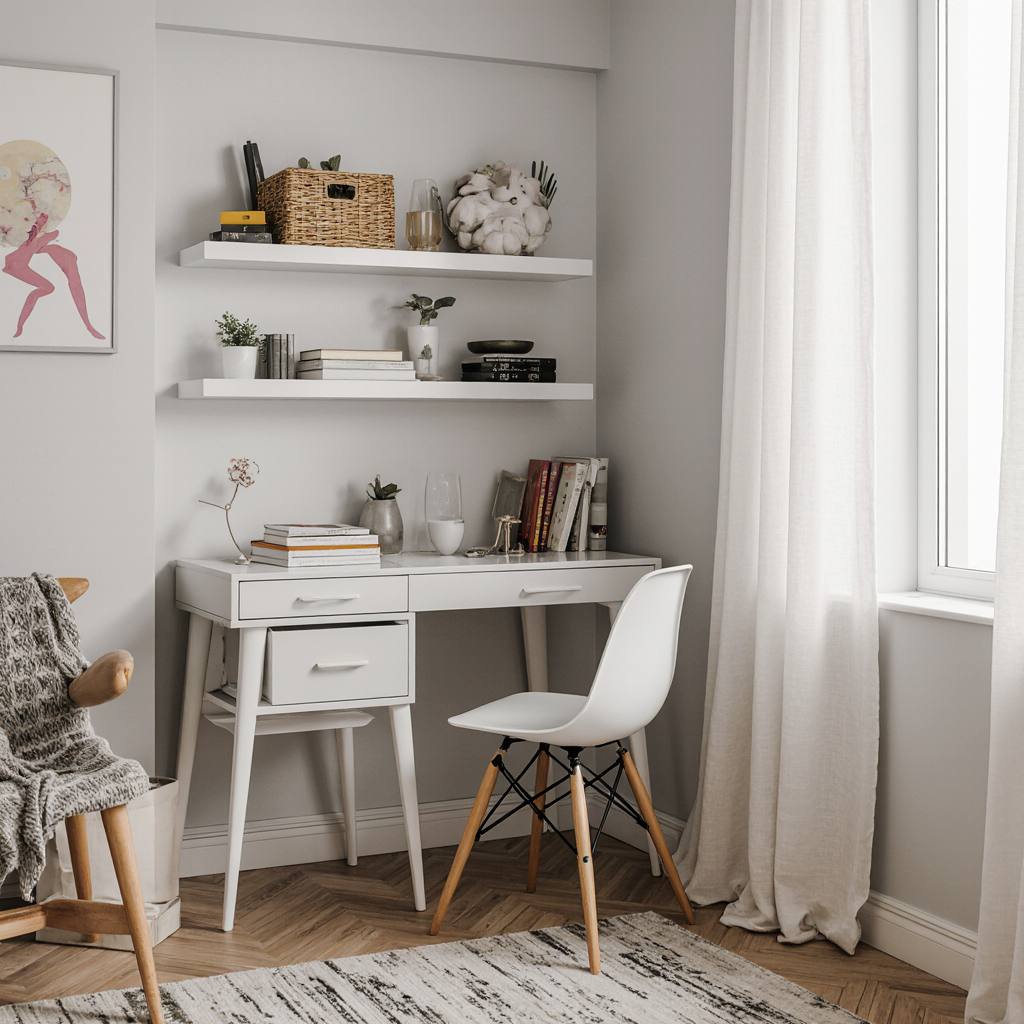
Choosing a Location for the Study Corner in the Children’s Room
The study area in the children’s room is an important part of the familiar environment for the child. Choosing the right location for the study corner will promote effective learning and contribute to the child’s development. To choose the right place, we must take into account several factors.
Lighting
Good lighting is one of the most important conditions for an ideal study space. In a room with natural light, it is advisable to place the study corner next to the window. If not, use a lamp that provides sufficient light for reading and writing.
Quietness
Choosing a quiet place is essential to prevent distractions. If there is a remote place in the room away from the entrance door or other games, that is the ideal place for the study corner.
Comfort
It is advisable to choose a place that provides comfort during learning. This may include a table suitable for the child’s height, a comfortable chair, or other furniture that encourages proper sitting.
Storage
Organizing the place in a way that allows the child to prepare their learning environment is crucial. Storage space for books, notebooks, and learning materials is essential.
Choosing the right location for the study corner in the children’s room is a process that takes into account the child’s needs and the environment familiar to them. Based on the mentioned factors, you can choose the ideal place for your children’s study corner.
Choosing Suitable Furniture for the Study Corner
Designing a study corner in the children’s room requires thoughtful furniture selection. The centerpiece of every study corner is, of course, the table and chair. The table should be suitable for the child’s height and large enough to accommodate books and other materials. The chair should be comfortable and support the child’s back during the study day.
It is important to invest in quality furniture that creates a quiet and focused study area. You can choose shelves with sufficient storage space for the child’s books and learning materials, while also ensuring an organized and tidy environment. Good lighting is another important factor in choosing furniture for the study corner, so it is preferable to install a lamp that illuminates the study table well.
The general rule is that the study corner should be open, ventilated, and well-lit. Furniture that suits the child’s height can improve their body posture during learning, so consider choosing an adjustable table and chair.
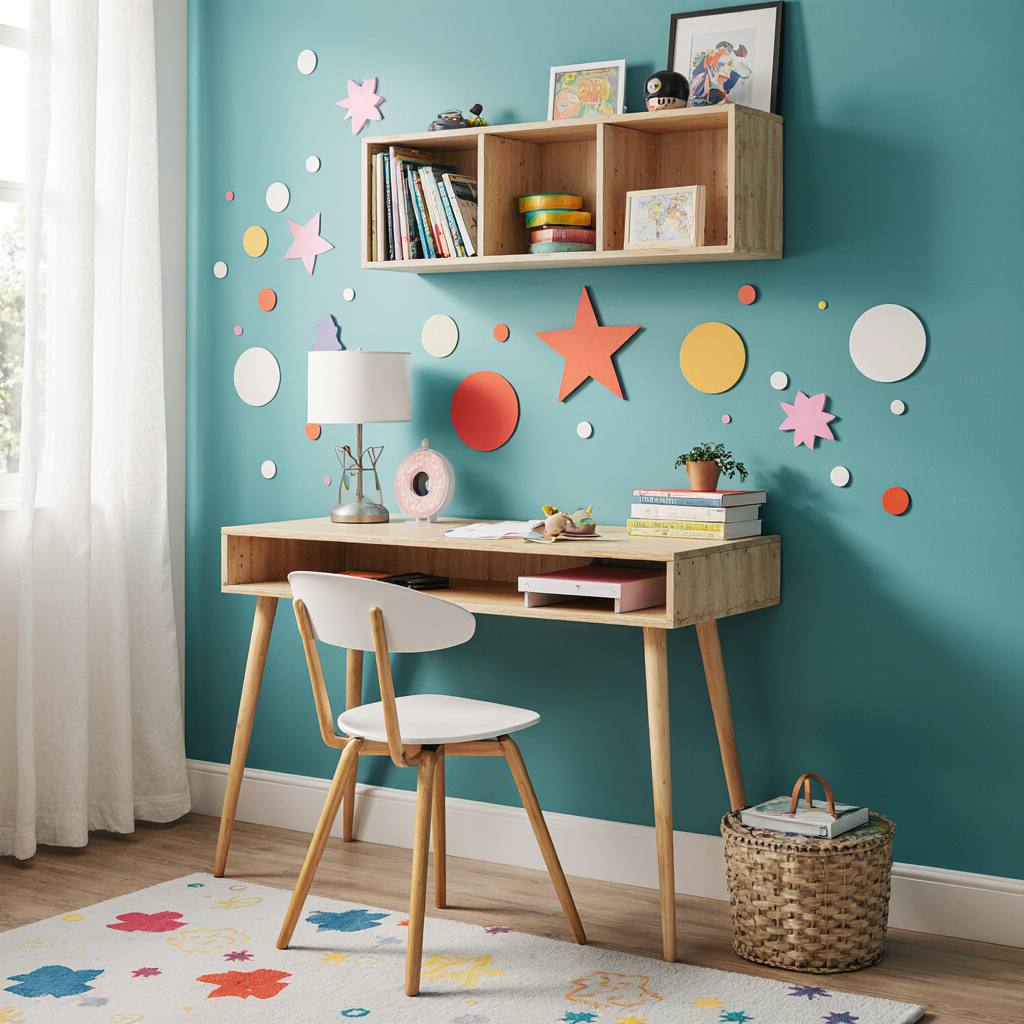
Choosing furniture with interesting shapes and colors can contribute to making learning a more enjoyable and engaging experience. Choose furniture that combines functionality with modern design to enhance the room’s appearance. You can add small details like stylish storage boxes, pictures, or wall stickers that will help turn the study corner into a place where the child will want to spend a lot of time.
At the end of the day, the goal is to create an environment that encourages the child to learn and develop. Therefore, choosing the right furniture for the study corner is especially important.
Decoration and Design of the Corner for Play and Study
Designing the study and play corner in the children’s room is a central task in creating a family learning environment that will help the child develop and strengthen. It is important to consider the child’s needs, preferences, and interests when designing the space. Here are some ideas that can help you in the process.
Choosing the Right Location: It is important for the corner to be in a quiet and pleasant place with sufficient natural light. If possible, choose a place where the child can be in contact with nature, such as next to a window overlooking the yard.
Furniture: Choose furniture that allows the child to be comfortable and focused. A comfortable chair, a table with a sufficient workspace, shelves for books and toys, and a place to store their materials.
“Designing a study corner in a children’s room is not just a matter of aesthetics but also of comfort and inspiration.”
Rachel Aharoni – Interior Design Specialist
Colors: Choose colors that encourage calmness and concentration, such as pastel colors or shades of blue and green.
Decorations: Try to decorate the space in a way that reflects the child’s interests. Hang pictures or posters of things they love, and try to match the decorations to the seasons of the year.
Play Area: Although it is a study corner, it is important for the child to have the opportunity to play and enjoy. A play area can include games that promote mental and physical skills, such as puzzles, logic games, or role-playing games.
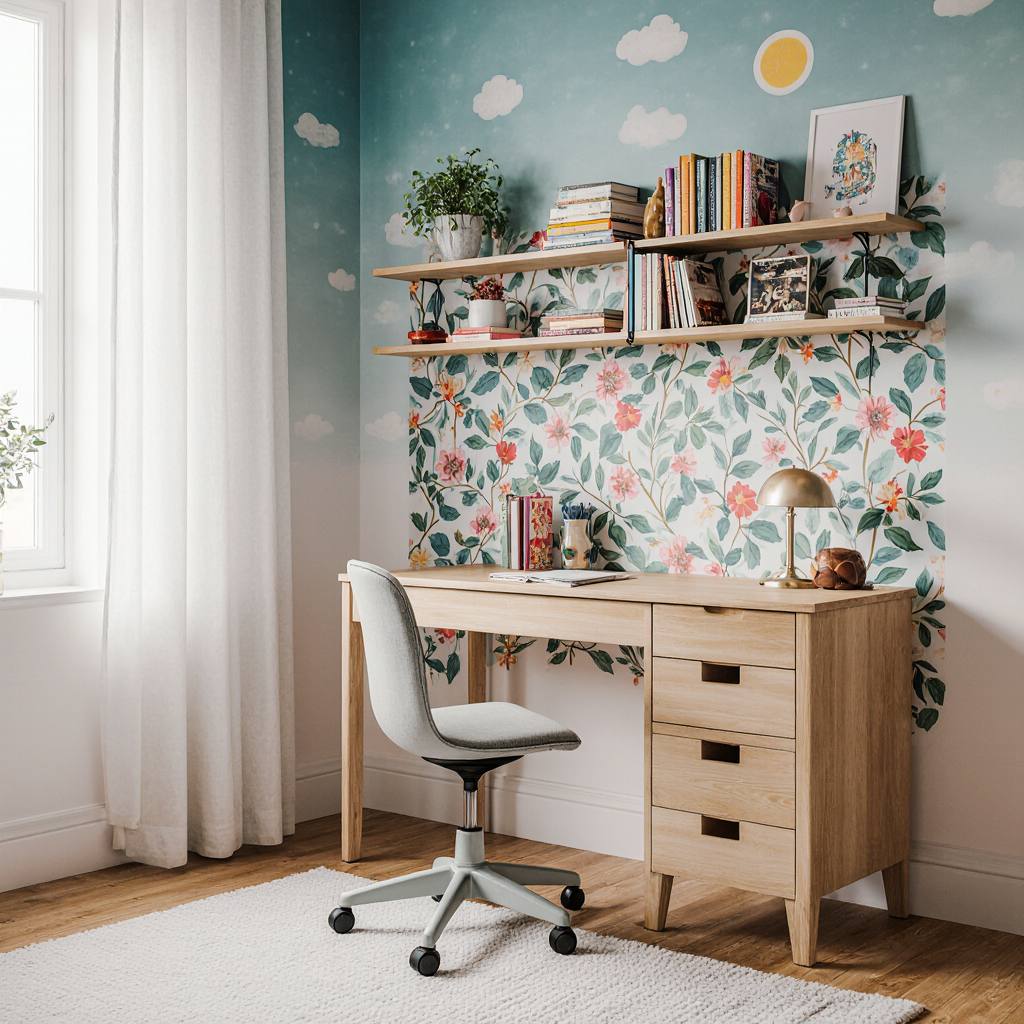
In conclusion, designing an interesting, joyful, and inviting study corner is a goal that every parent wants to achieve. With a little planning and thought, you can create a corner that invites the child to learn, develop, and grow in a pleasant and joyful way.
How to Achieve Good Lighting for the Study Corner
One of the continuous ways to achieve good lighting in the children’s room study corner is by combining natural and artificial lighting. We recommend placing the study corner next to a window to take advantage of natural light during the day. This is not only energy-saving but also helps preserve the child’s vision.
If it is not possible to place the study corner next to the window, consider using LED or CFL lamps that provide bright and uniform daylight. You can install a lamp above the study table to ensure that the light reaches the study area directly.
Remember that the direction of light is also important. During studying, we recommend that the light comes from the side opposite to where the child is writing. This will prevent disturbing shadows on the study materials.
“Design is an art, and designing a study corner for children is the art of education.”
Sarah Shapira – Interior Designer
In addition to focused lighting, consider installing general lighting in the room. This will allow the child to focus more on their studies and prevent fatigue or eye strain.
We also recommend using lights that provide the same amount of light throughout the period of use. This ensures that the child does not have to strain to see the texts or images in their books.
The choice of the right type of light also affects the child’s productivity. You can adjust the light density according to the activity: stronger light for reading and softer light for creative activities.
Ultimately, the goal is to create an environment that encourages learning and is always pleasant and inviting for the child. Good lighting is an important part of the overall design of the study corner and can significantly contribute to the child’s success in their studies.
Organizing the Space for Study Purposes
One of the important tasks in designing a study corner in the children’s room is organizing the space in a way that facilitates the child’s learning process. Choosing an appropriate location and organizing the space optimally can support the learning process and increase motivation to study.
Choosing the right location for the study corner is a vital task. Choose a place with sufficient natural light but not blinding. Avoid placing the table in front of a window or in another place that could distract the child.
Another essential aspect is arranging the table and shelves. From the table and chair to the shelves for books and organizing learning materials – all these can enhance the child’s learning experience. Ensure that the table is at the right height for the child and that the chair is comfortable and supportive of their back.
One way to prevent scattering is to give each item a designated place. Use organizers, shelves, and boxes to arrange the space in a way that makes it easy for the child to find what they need.
“A well-designed study corner can stimulate the desire to learn and accommodate activity over time.”
Israel Cohen – Space Design Specialist
Every study corner should include space for books, learning materials, and writing tools. In addition, it is important to leave a clear workspace without cluttering the table with items.
Organizing the space for study purposes is an important part of preparing for the learning process. When the child feels comfortable and focused, they can concentrate on learning at their best.
Creating a Mentally Ready Environment for Learning
The children’s room is not just a place to sleep but also a place for games, learning, and creation. Creating a mentally ready environment for learning is a challenging task, but it is achievable with a few simple steps.
First, dedicate a special area for learning. This can be a work table at the appropriate height, a comfortable chair, shelves for books, and materials. It is important that the table is located in a quiet, ventilated, and well-lit place. If possible, choose a location facing a window so the child can relax and enjoy natural daylight during study time.
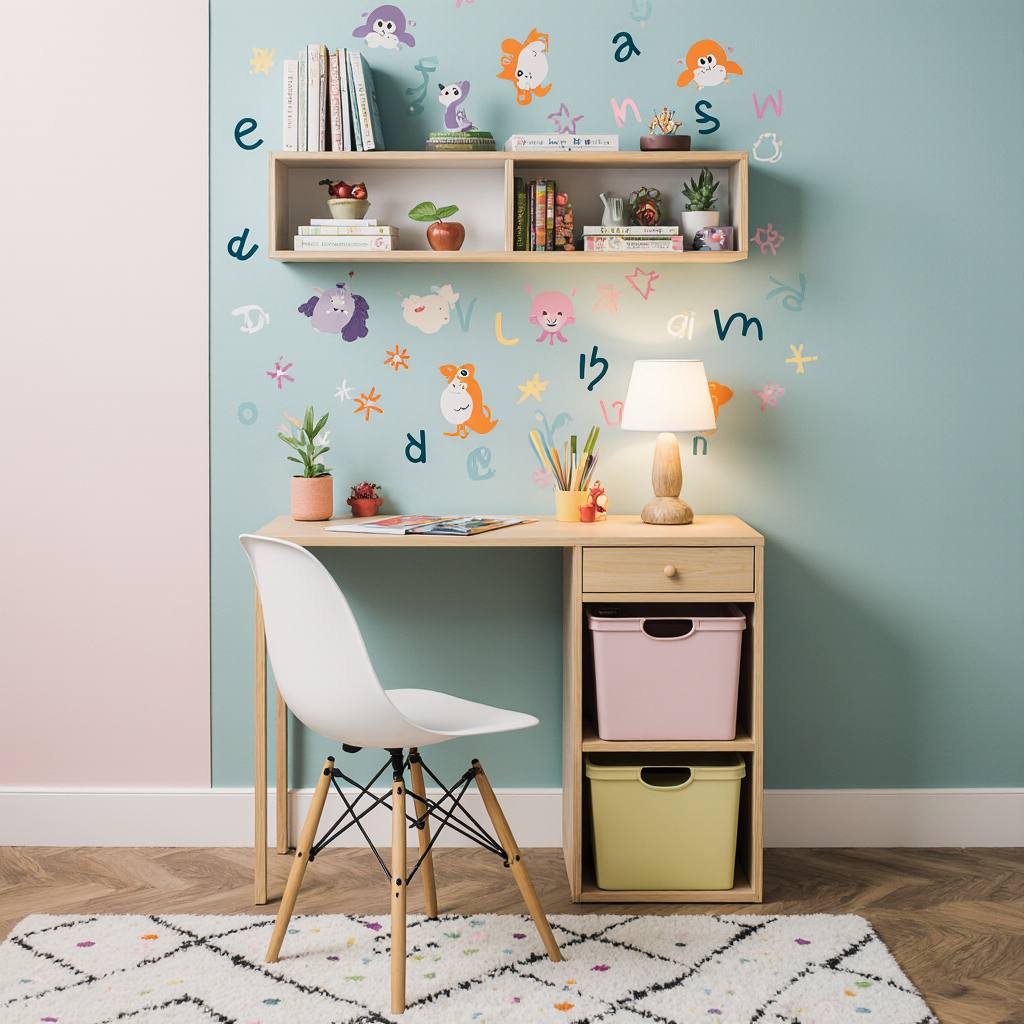
Choose different calming colors for the room. Light and warm colors such as blue, green, or yellow can enhance the child’s concentration. Additionally, use wall stickers or pictures that encourage inspiration and creativity.
Invest in useful and quality accessories. This may include pens, writing paper, books, notebooks, and more. This way, the child will feel they have all the necessary tools for effective learning.
Finally, insist on order and cleanliness in the study corner. A tidy environment contributes to concentration and efficient learning. Additionally, it is a good way to teach the child the importance of maintaining a clean and organized work environment.
With the right tools and a little planning, you can create a mentally ready environment for learning in your children’s room. The goal is to create an environment that encourages the child to develop their abilities and reach their academic potential.