

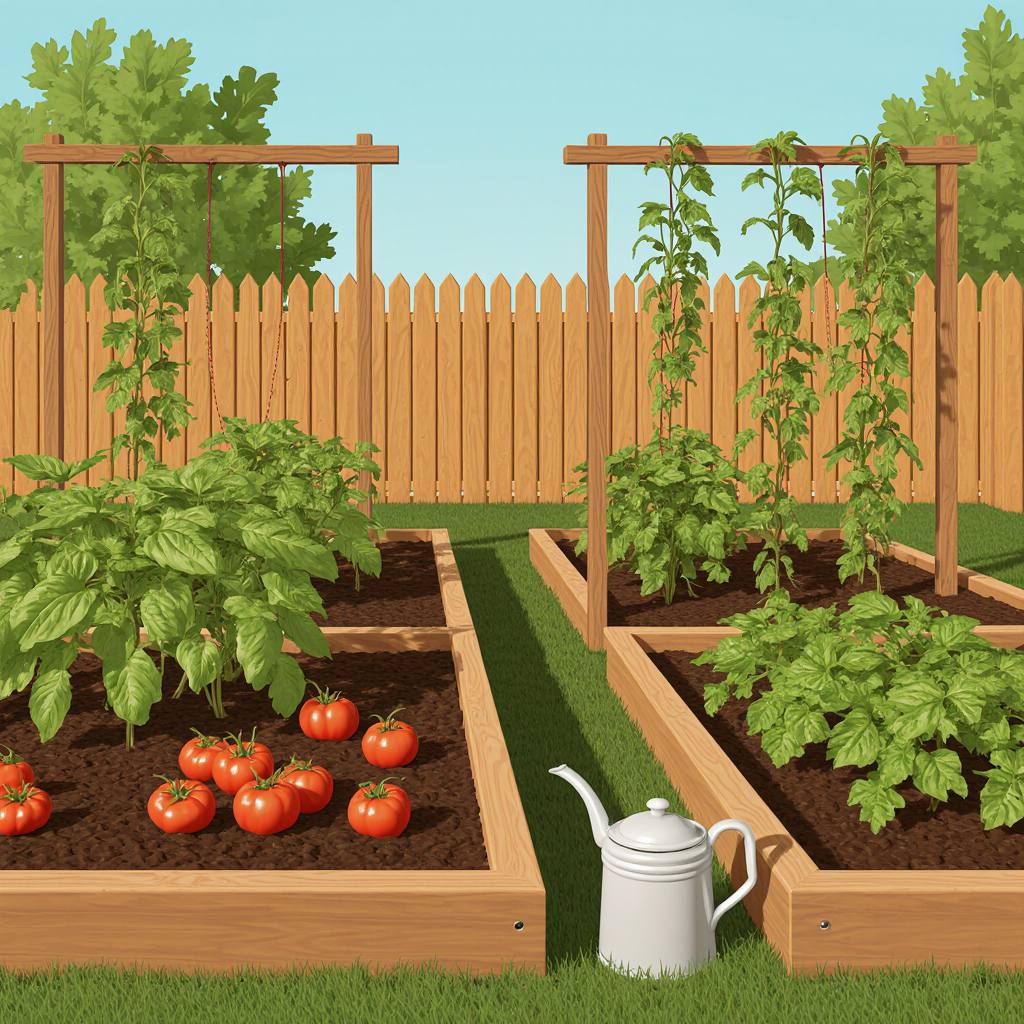
Choosing the Right Location for Your Vegetable Garden
During the planning of a home vegetable garden, the first and most important step is to choose the right location. There are several factors to consider when choosing the location:
Sunlight: Most vegetables require at least 6-8 hours of direct sunlight each day. Therefore, choose a location that receives plenty of sunlight. Consider the sun’s direction and any shadows that may be affected by buildings or trees.
Access to Water: Watering is one of the most important components for the healthy growth of vegetables. Choose a location close to a water source for convenient and easy watering.
Soil: Vegetables are plants that thrive in soil rich in organic materials. It is preferable to choose a place with dark soil, rich in organic materials and minerals.
“The garden is a living space, don’t forget to bring life into it.”
Michal Levi – Garden Designer
Air: Vegetables need air to grow healthily, so choose a location that is not enclosed or sealed off.
Protection from Insects and Animals: Some vegetables may attract insects or animals. Plan your location so that your vegetables are protected.

However, it may take some time to find the perfect spot for your vegetable garden, but this investment is worthwhile in the end. A home vegetable garden can be a luxurious and calming place, and it also allows you to produce fresh and healthy vegetables for your family.
Tips for Planning and Organizing Your Vegetable Garden
Planning and organizing a home vegetable garden can be a challenging task, but with some forethought, you can enjoy a successful and fruitful garden. Here are some tips that can help you:
Define the Goal of the Garden
Are you interested in growing vegetables for everyday use, or do you want a garden that is also visually appealing? This decision will affect the size of the garden, its location, and the plants you will grow in it.
Choose a Suitable Location
Most vegetables need direct sunlight for at least 6 hours a day. Choose a location that is accessible to you for watering and maintenance.
Plan the Space
Consider your lifestyle and how much time you are willing to dedicate to the garden. A larger garden will require more maintenance time but will also provide more vegetables.
Select Suitable Plants
Choose plants that are suitable for your climate, soil, and location. It is important to choose vegetables that you enjoy eating, but also important to choose vegetables that will thrive in your location.
Know When to Prune
Some vegetables need to be pruned at specific times. For example, basil needs to be pruned before it starts flowering to prevent it from turning bitter. This is a skill that is acquired over time.
Maintain the Garden
Watering, adding compost, and preventing pests are part of the daily maintenance of the garden. Daily care can lead to a successful and fruitful garden.
As you transition to planning and organizing your vegetable garden, remember that the most important thing is to enjoy the process. Home vegetable gardening is an enjoyable family activity that allows you to enjoy nature and provide healthy and delicious vegetables for your family.
Choosing the Right Vegetables for Garden Growth
One of the important stages in planning a home vegetable garden is choosing the suitable plants. Everything depends on the type of soil, weather conditions, the location of the garden, and the time you dedicate to gardening.
Soil Examination: To choose the suitable plants for your garden, you need to know your soil type. Some vegetables grow best in acidic soil, like apples and pears, while others prefer sandy soil, like plums and apricots.
“A good garden can also produce good vegetables.”
Yossi Shemoni – Gardener
Weather Conditions: There are vegetables that are suitable for growing in cooler climates, like spinach and broccoli, and there are vegetables that are suitable for warmer climates, like potatoes and tomatoes.
Location Assessment: The location of the garden affects the types of vegetables that can be grown. Vegetables that grow in sunny places, like cucumbers and pumpkins, are not suitable for growing in shaded areas. On the other hand, vegetables that grow in shaded areas, like spinach and broccoli, are not suitable for growing in sunny places.
Time Consideration: How much time do you dedicate to gardening? There are vegetables that require a long growing time, like cucumbers and squash, and there are vegetables that require a short growing time, like radishes and lettuce.
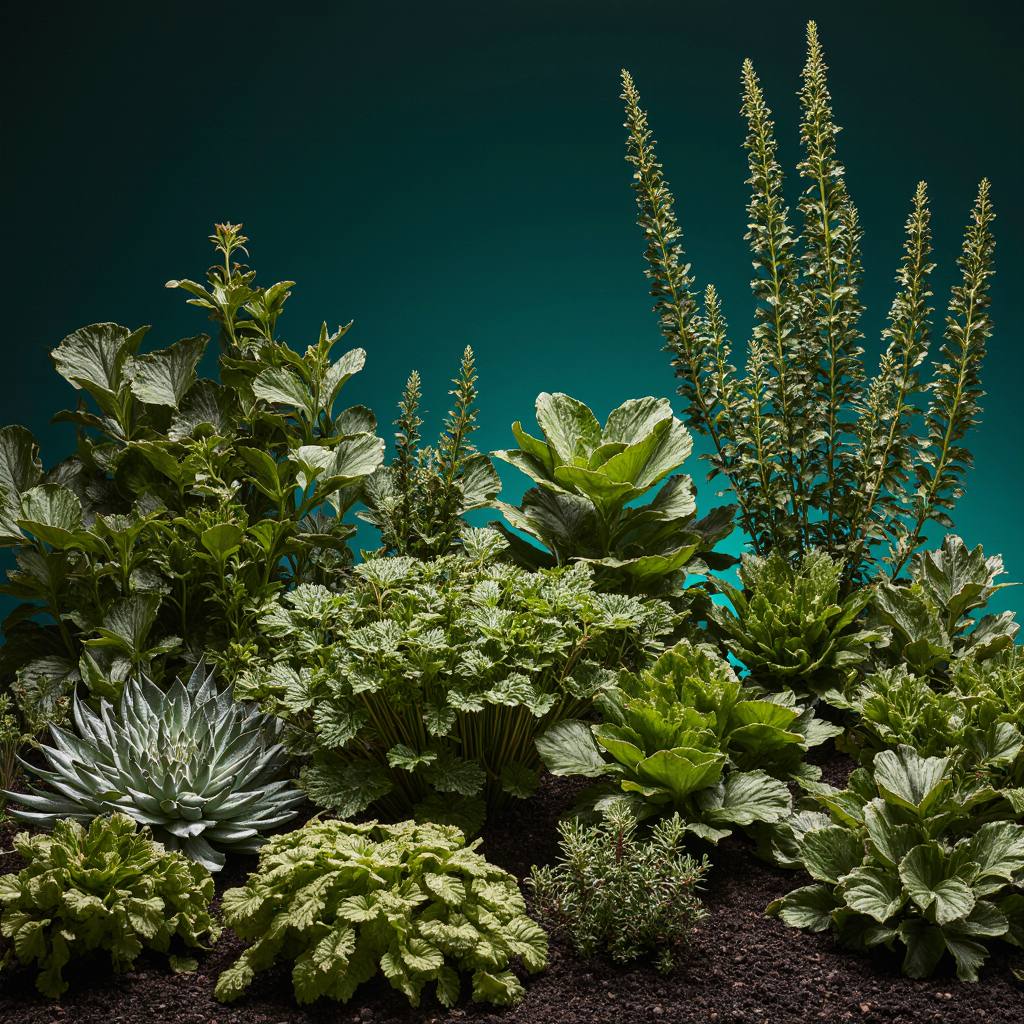
Once you understand the different factors that influence the type of vegetables you will grow, you can choose the suitable vegetables for your garden.
Instructions for Growing and Maintaining Your Vegetable Garden
Growing a home vegetable garden is an excellent way to enjoy fresh and healthy vegetables from a source you know. But like anything else, it requires precise planning and consistent maintenance. Here are some instructions that can help you succeed in growing your vegetable garden.
Before you start, it is important to choose the right location for your garden. The location should be where there is plenty of sunlight because most vegetables need six to eight hours of sunlight per day. Additionally, the location should not be flooded when it rains.
After choosing the location, the next step is to prepare the soil type. Vegetables thrive best in soil rich in organic material, such as compost. You can prepare your soil yourself or buy ready-made soil from gardening stores.
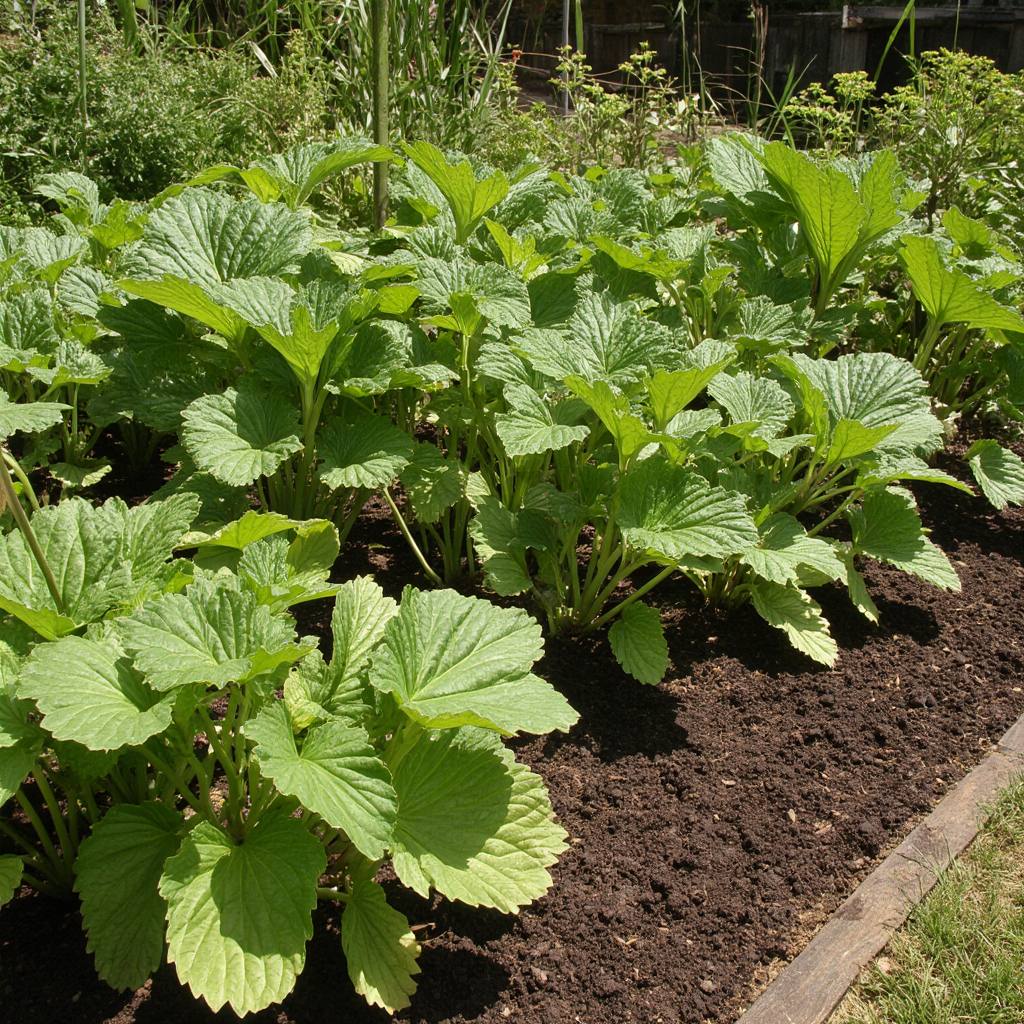
Once the soil is ready, you can start planting the vegetables. Buy seedlings of vegetables from gardening stores or plant them yourself from seeds. It is important to leave enough space between each seedling so that each plant has enough room to grow.
After that, maintenance is key. Water your vegetables regularly but not excessively. Remove weeds and dead flowers that can hinder growth. Also, remember to feed your vegetables with organic fertilizers every few weeks.
“Plan your garden as if you are planning your home.”
Eyal Gershoni – Garden Engineer
In general, growing a home vegetable garden is a satisfying and rewarding project. With a little planning, patience, and consistent care, you can enjoy fresh vegetables from your garden in a short time.
The Planting and Sowing Process in Your Vegetable Garden
The first step in the planting and sowing process is choosing the plants you want to grow. It can be vegetables, herbs, flowers, or anything else you love. It is important to choose plants that can thrive in your area and in your environmental conditions.
After selecting the plants, the next step is preparing the soil. You need to assess the quality of your soil, dig the soil, and add compost or other amendments if needed. It is very important to ensure that the soil is strong and healthy because it is the foundation of your garden.
Once the soil is ready, you can start planting the plants. This can be done by directly sowing the seeds in the soil or by transplanting plants that have already developed. The method you choose depends on the type of plants you are growing, the environmental conditions of your area, and the stage of growth you are in.
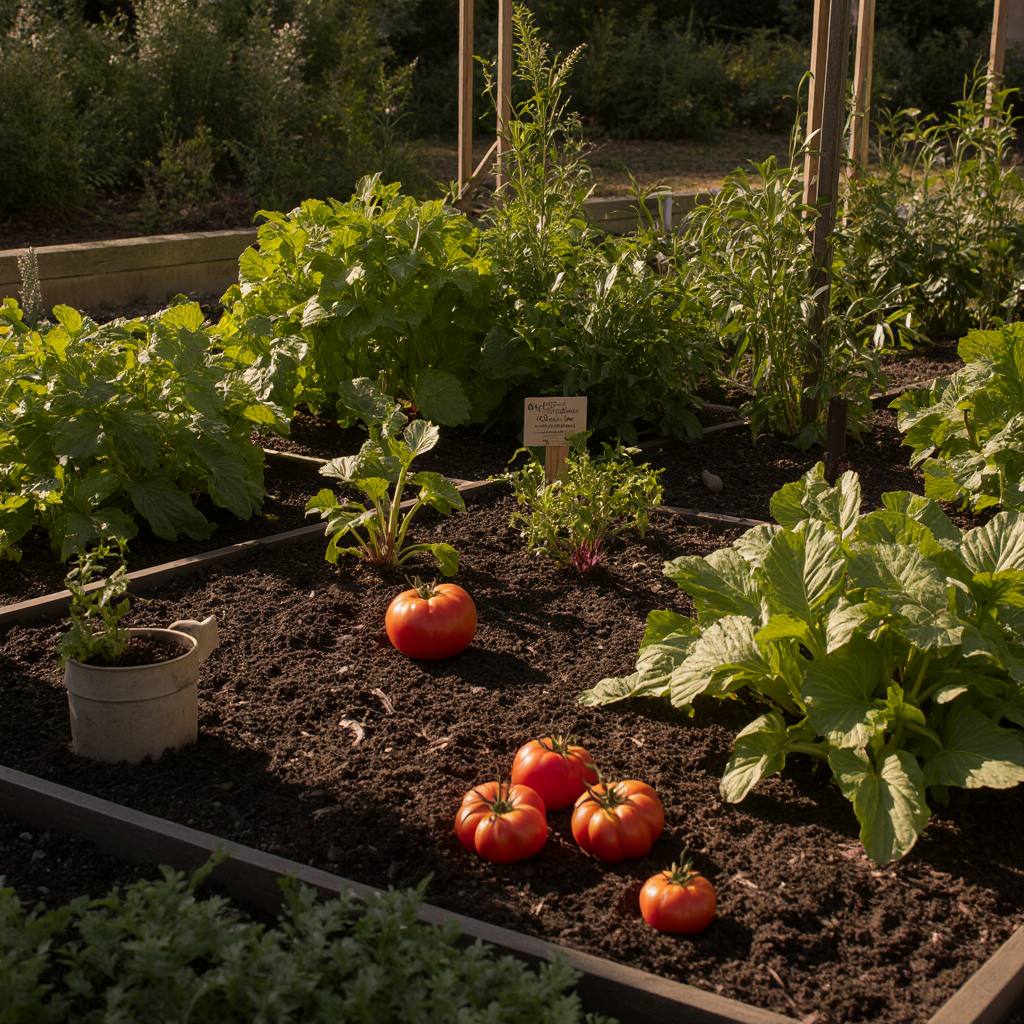
After the plants are planted, the next step is to maintain the garden. This includes watering, adding compost, pruning, weeding, and preventing diseases and pests. It also includes positioning the plants in a way that ensures they receive enough sunlight and air.
Finally, when your plants start to develop, you can start harvesting from your garden. You can pick the vegetables, herbs, or flowers you have grown and use them in the kitchen, sell them, or share them with your friends and family.
Overall, planting and sowing in your vegetable garden is an exciting and rewarding process that can bring you great joy and great benefit. So start planning your garden today!