

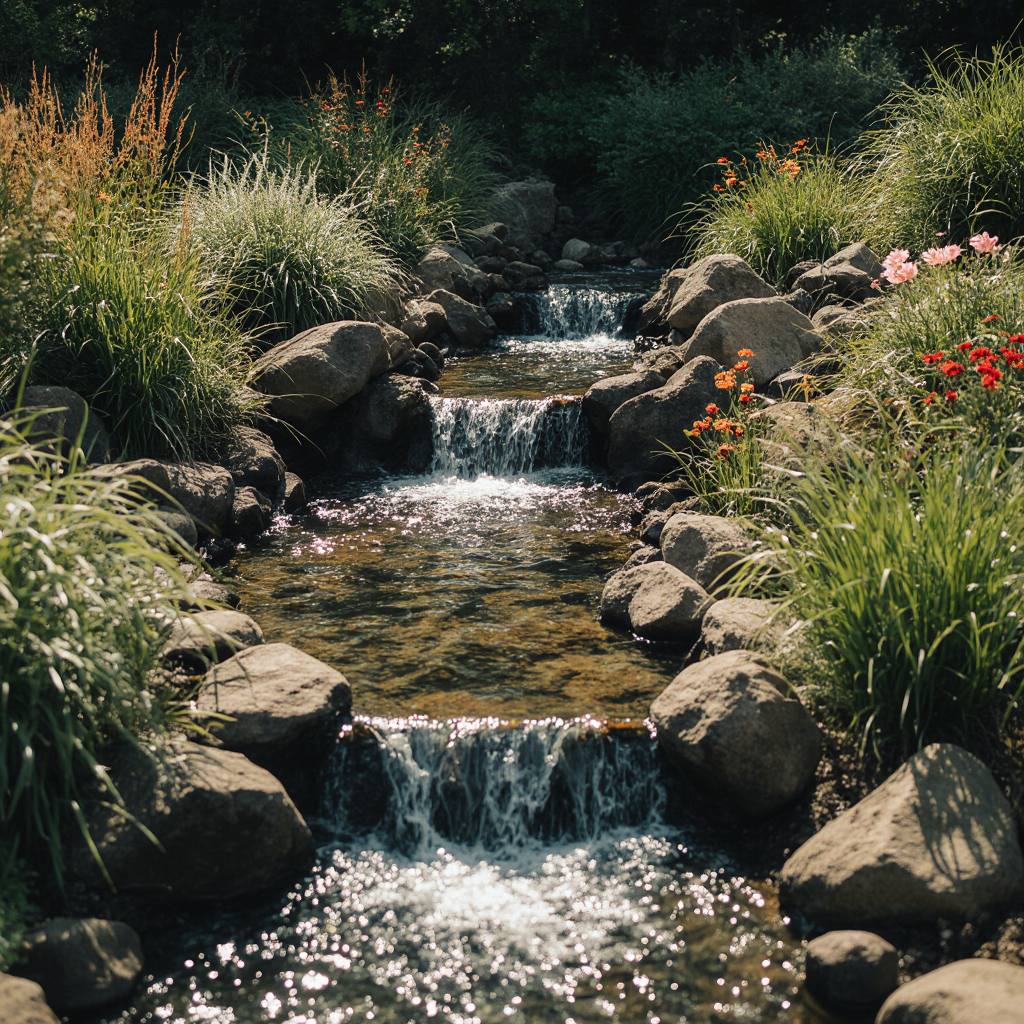
Choosing Suitable Plants for the Garden
When planning your garden, one of the most important factors to consider is which plants to include. Not all plants are suitable for all types of gardens, and it is advisable to consider several factors before making a decision.
Climate Adaptation: There are plants that are suitable for warm and dry climates, and there are those that prefer cool and moist climates. It is important to choose plants that can cope with the conditions in your area.
Soil Type Adaptation: Just like climate, the soil in your garden can also affect the plants you grow. Some plants are suitable for acidic soil, while others prefer basic soil.
Sunlight Needs: Some plants require a lot of sunlight, while others thrive better in shade. This consideration must be made based on the location of your garden and the average amount of sunlight it receives.
Watering Needs: There are plants that require frequent watering, while others can thrive with less water. Decide on the type of watering you are interested in and choose plants accordingly.
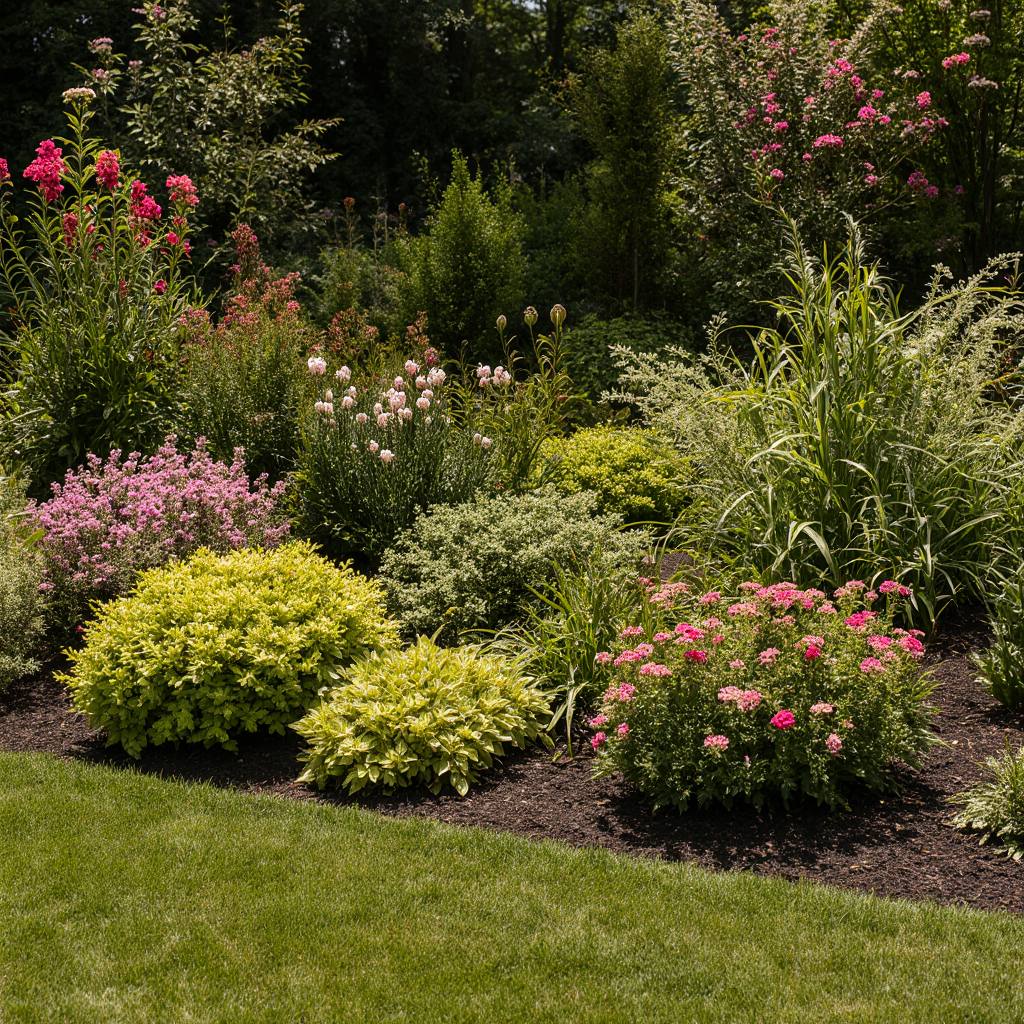
Disease and Pest Resistance: Some plants are more resistant to diseases and pests, while others are less so. This is a crucial consideration, especially if you are not willing to invest a lot of time in garden care.
Additionally, it is important to consider the shape, size, and color of the plants you choose. These can significantly impact the final look of the garden. For example, if you are interested in a tropical garden look, choose plants with large and colorful leaves. On the other hand, if you prefer a more sophisticated look, opt for plants with small and delicate flowers.
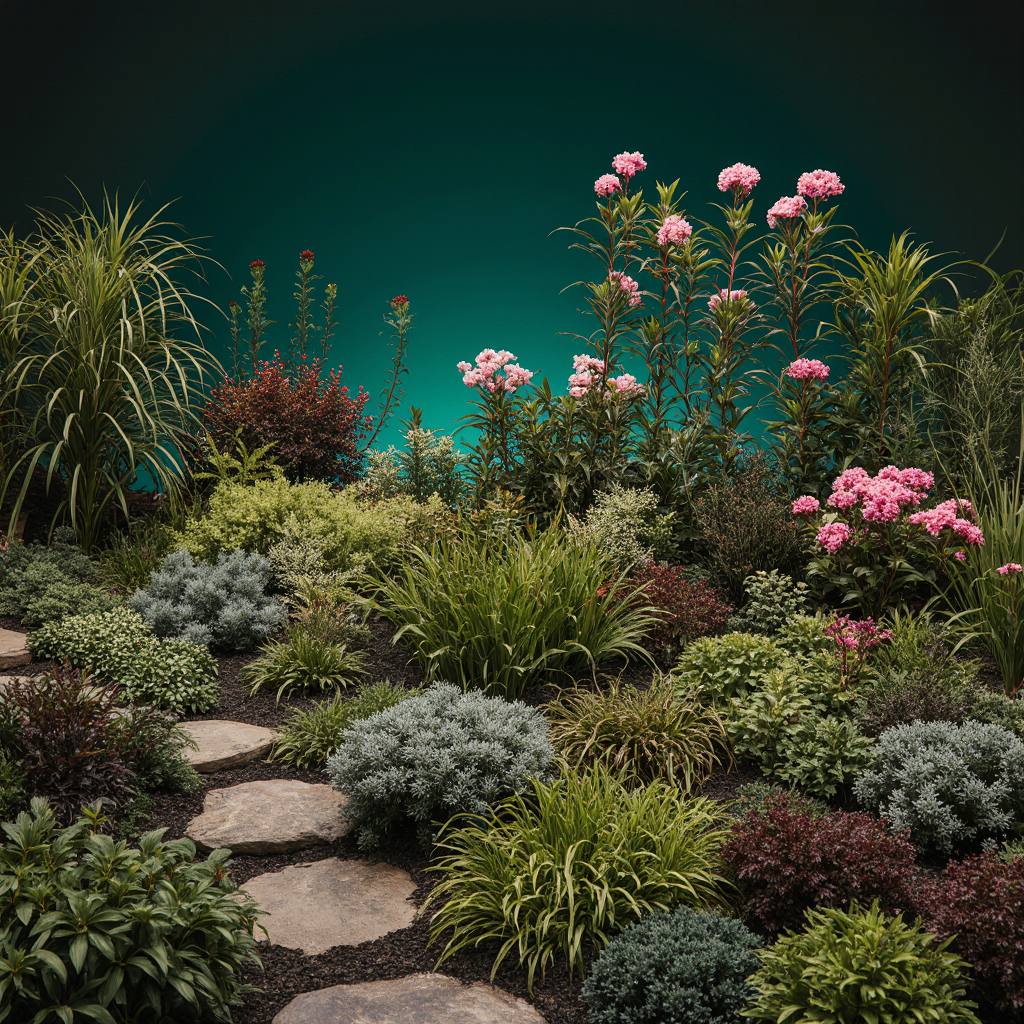
Finally, remember that choosing the right plants is just the first step in the process. To keep your garden beautiful and well-maintained, you will need to dedicate time to care, watering, maintenance, and preventing diseases and pests. With the right time and effort, your garden will become a stunning and relaxing place that you can enjoy for a long time.
Maintenance and Care of Lawn in the Garden
Maintenance and care of the lawn in the garden are important components, especially in maintaining the appearance of your garden. A well-kept lawn positively impacts the garden’s appearance and enhances its aesthetics. Unfortunately, growing a healthy and visually appealing lawn is not always a simple task.
There are several ways in which you can maintain and care for your lawn. One of them is watering, taking into account the changing needs of the lawn throughout the year. In summer, for example, the lawn can dry out quickly, so it needs to be watered more frequently. However, in winter, when natural rainfall is sufficient, watering should be reduced.
It is important to remember that the lawn trimming process also affects its health. Proper and moderate lawn trimming will promote amazing growth and maintain its lush green appearance over time.

In addition, it is important to deal with issues such as diseases and pests. Using special treatments and sprays to protect the lawn, and applying appropriate treatment in case of a problem, is necessary.
Ultimately, lawn care requires effort and time, but the results are worth it. A healthy and green lawn enhances the garden’s appearance, offers a comfortable place for rest and play, and improves the garden’s water balance.
So if you want to enjoy a beautiful and healthy lawn in your garden, start watering, caring for it, protecting it, and investing in it. You will surely see results quickly.
Tips for Setting Up a Coffee Corner in the Garden
The garden is a perfect place to create an outdoor coffee corner that will become a refuge of peace and tranquility. To create such a corner, there are several tips that can help you:
“Plants are the central figures in the movie of every garden.”
Avi Shemesh – Plant Specialist
Choosing the Location: First of all, you need to choose a location in the garden that is suitable for your coffee corner. The place should be shaded to some extent so that you can comfortably enjoy your coffee even during the hot hours of the day. Additionally, it is preferable for the location to be close to the house so that you do not have to go far to prepare your coffee.
Furniture Matching: Garden furniture must be comfortable and of good quality. Chairs or benches with cushions, a small table for placing your coffee cup, and perhaps even a hammock are purchases that will make you want to spend hours in this corner.
Appropriate Lighting: Even if you plan to use the corner only during the day, it is advisable to install lighting. It will allow you to continue enjoying the corner after sunset and will add a lot to the atmosphere.
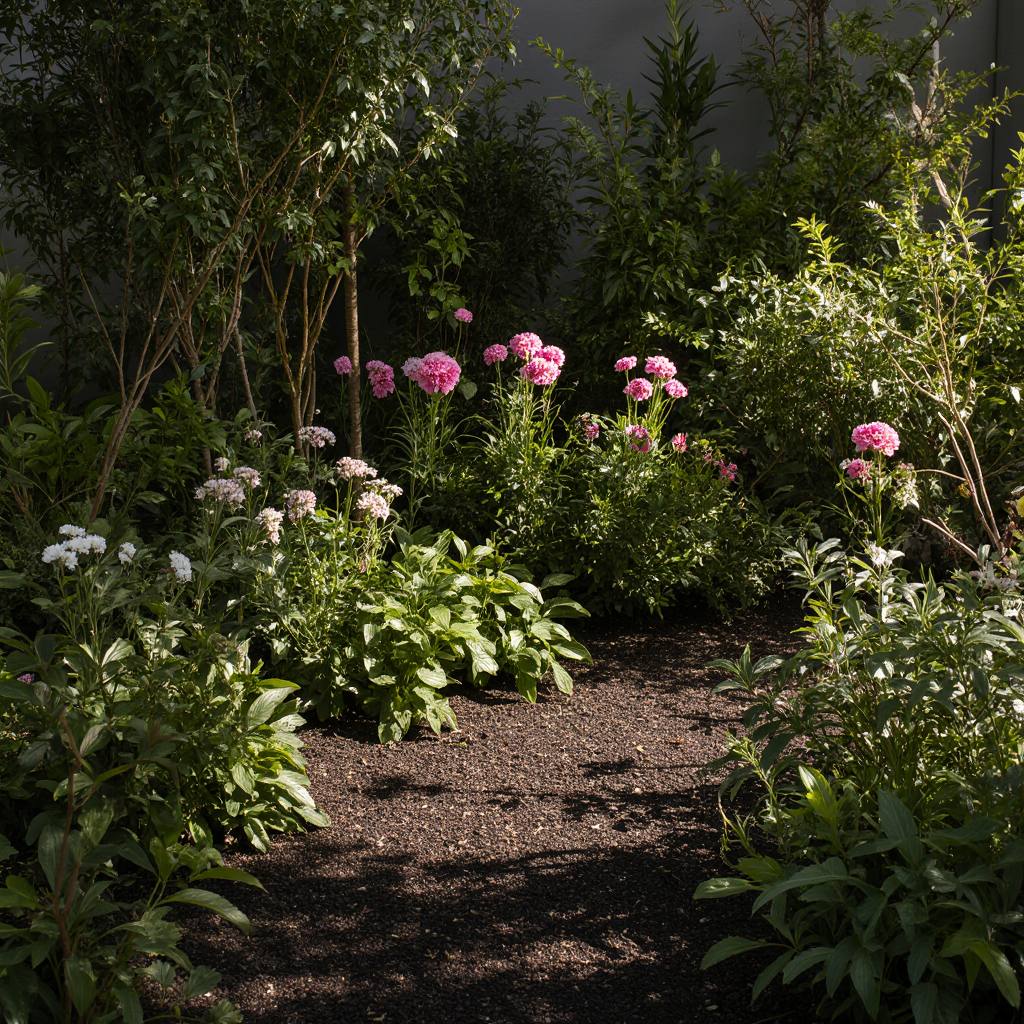
Appropriate Planting: The suitable planting can turn your coffee corner into a perfect place. Try to combine various plants with different colors and shapes, and even add parts of the lawn or ornamental plants you already have in the garden.
So, if you are looking for an additional way to enjoy your garden, setting up a coffee corner may be just what you need. Through these tips, you can create a corner that will become your favorite spot in the garden.
Preparing the Garden for the Rainy Season
When the rain starts to fall, it is time to start preparing your garden for the rainy season. This process includes several important steps that will help your plants withstand the harsh winter conditions.
Garden Cleaning
Start by cleaning the garden. Removing fallen leaves, dead flowers, and dried plants helps prevent pests and diseases and prevents the spread of diseases. Additionally, garden cleaning provides plants with space and air for growth.
Pruning Plants
Pruning the plants helps them strengthen and rejuvenate, circulates the air, and provides room for new plants to grow. Make sure to prune only the dry or decaying parts of the plants.
Lawn Preparation
The lawn should be mowed to a height of about 5 cm, which will prevent the growth of weeds and make the lawn less prone to diseases and pests. It is also recommended to aerate at the end of summer, towards the beginning of the rainy season.
Planting New Plants
The rainy season is an excellent time to plant new plants. Natural watering and lower temperatures will make it easier for the plants to establish themselves.
Watering
Despite the rain, it is advisable to continue watering the garden in a measured way, especially on drier days. Be careful not to overwater, as excess watering can damage the roots and negatively affect the plants.
Protection from Weather Conditions
It is recommended to protect the plants from strong winds and low temperatures by using pots, mechanisms to protect from the cold, or building a temporary shelter like a small greenhouse.
“Caring for lawns and plants is not just work, it’s art.”
Ronit Levi – Gardening Expert
Preparing the garden for the rainy season is a task that requires effort, but the stunning blooming that effort brings will upgrade the appearance of your garden and leave you satisfied.
Creating Combinations of Ornamental Plants
Creating a combination of ornamental plants in the garden is a perfect way to add color and life to your space. Different types of ornamental plants can add colors, textures, and even different scents to your garden, creating the special atmosphere you are looking for.
When choosing ornamental plants for the garden, take into account the location, soil type, and climate of your area. Some love the sun, while others prefer shade. Some ornamental plants have strong roots suitable for weak soil, while others require rich and full soil.
One way to create an interesting combination of ornamental plants is to choose plants with different colors, shapes, and textures. Try to mix ornamental plants with colorful flowers with ornamental plants with interesting leaves, or ornamental plants with sharp edges with ornamental plants with soft lines.
“Every garden is a dream that became reality.”
Gil Super – Interior Designer
Also, try to combine different ornamental plants in different heights. Tall ornamental plants can add structure to your garden, while low ornamental plants can fill empty spaces.
Don’t forget to consider the blooming times of ornamental plants. A combination of blooming ornamental plants at different times of the year can ensure you have color and life in the garden all year round.
Finally, remember that creativity is the key to creating combinations of ornamental plants. Don’t be afraid to try new things and combine ornamental plants you wouldn’t normally consider. You may be surprised by the stunning result!