

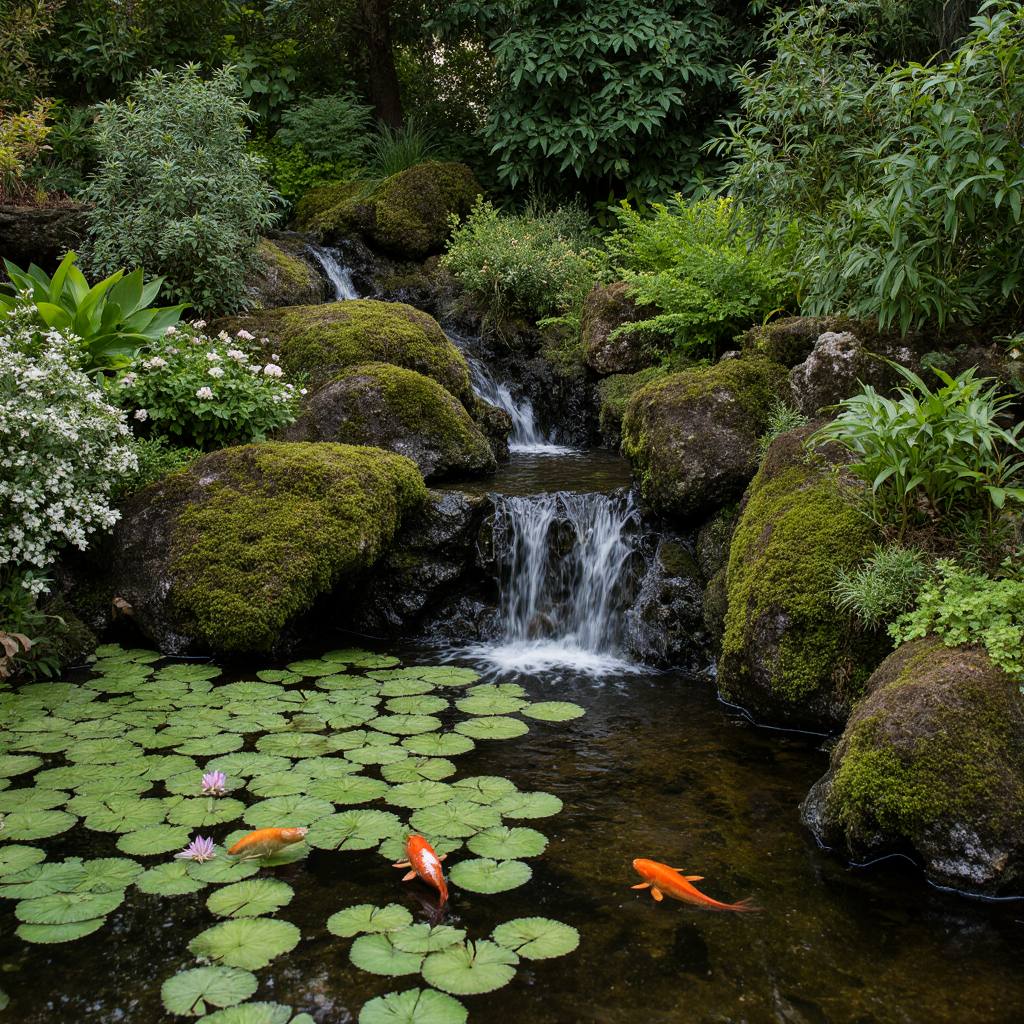
Introduction: The Significance of Water in Garden Design
Water is a vital element in any garden and plays a crucial role in garden design. It adds life, movement, and an additional dimension to the garden, and can transform any outdoor space into a place of peace, serenity, and tranquility. Furthermore, it enhances the aesthetic appeal of the garden, giving it a natural and beautiful look.
Water features in a garden can take on various forms, whether it’s a pond, stream, waterfall, or even a water feature where water plays a central role. Each of them has different and unique effects, sure to add a special look and feel to your garden.
Water features like ponds, for example, are an excellent way to add a sense of calm and tranquility to your garden. They offer a place for relaxation and peace, inviting nature into your home. On the other hand, streams and waterfalls add movement and life to the garden, emitting sounds of splashing water that bring tranquility and peace.
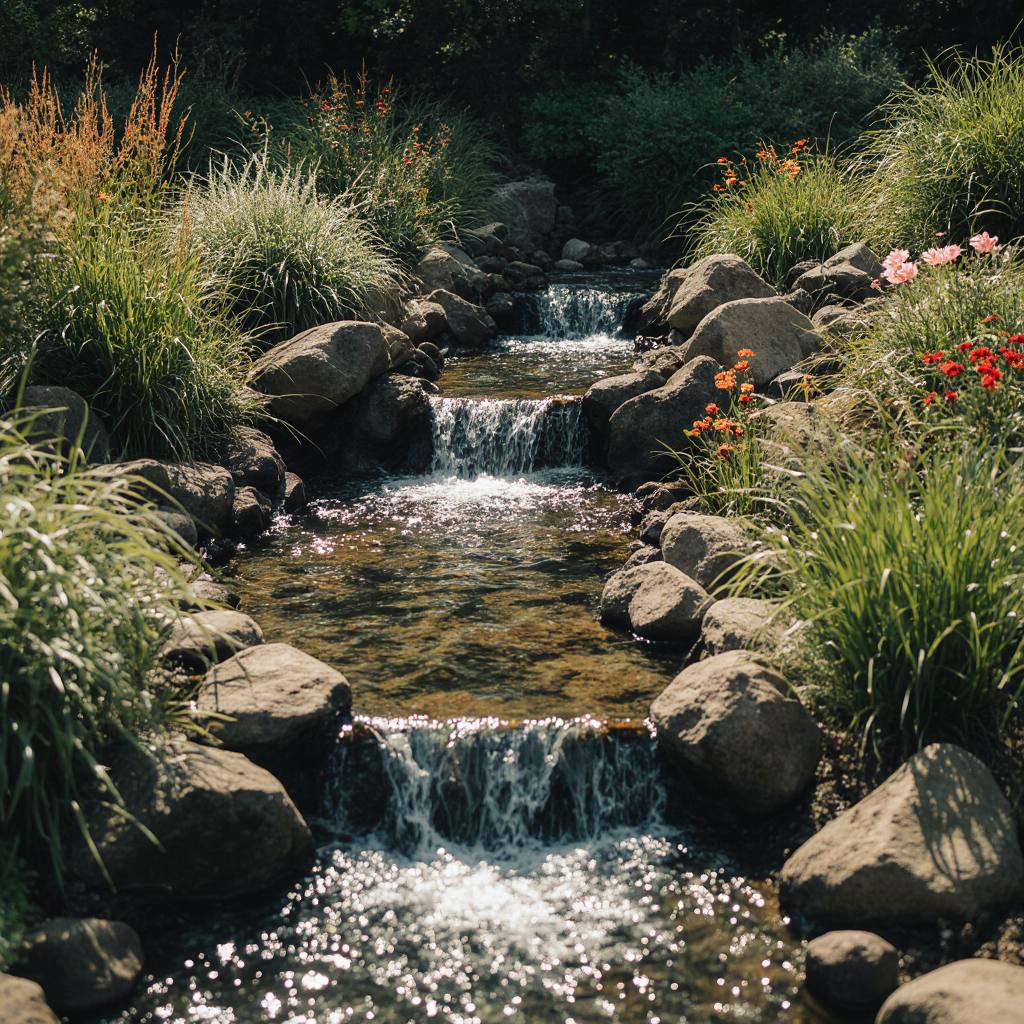
Regardless of the type of water element you choose to add to your garden, it is sure to add an aesthetic dimension and transform it into a place of serenity and tranquility. Most importantly, water invites life into your garden, whether in the form of blooming plants, aquatic animals, or even birds visiting to drink from the water.
Ultimately, water is not just a part of the design but also a part of the garden’s ecology. It helps maintain the natural balance, preserve the lives of plants and animals, and turn the garden into a vibrant and diverse space.
Ponds and Water Features: Building and Planning
Water is an important element in garden design that gives it a sense of calm, serenity, and balance. There are various ways to integrate them into a garden, but the two most common elements are ponds and water features. We will help you understand how to build and plan these two elements.
Choosing the Right Location
Before you start building, you need to choose the right location for a pond or water feature. The location should be chosen according to the size of the pond, its shape, and the amount of sunlight it receives. This is a crucial step that influences all other construction and planning stages.
Constructing the Pond or Water Feature
Once you have chosen the location, you can start building the pond or water feature. The first step is excavating the pond or feature. Then, you need to install the water system and piping and build the infrastructure of the pond or feature. At this stage, ensure that the water can flow naturally and efficiently.
Design Planning
With the preliminary stages behind us, we can now begin planning the design of the pond or feature. At this stage, you can choose from a wide variety of stones, plants, and even fish to create a beautiful and harmonious water landscape.
Maintenance
Once the pond or water feature is ready, regular maintenance is essential. This includes, among other things, cleaning debris from the water, checking that the water system operates correctly, and ensuring the preservation of the plant life around the pond or feature.
Ponds and water features are an excellent way to make your garden a more special place that reflects your love for nature and water. With some planning and construction, you can enjoy creating your own private masterpiece in your backyard.
Choosing Suitable Plantings around Water Areas
One of the most stunning ways to bring nature into your garden is by incorporating water elements. Water areas can add life, color, and an additional sense of tranquility to your space. When you combine suitable plantings around water areas, you can create a natural and stunning environment that enhances the overall landscape of your garden.
There are several factors to consider when choosing suitable plantings around water areas. First and foremost, you should select plants that thrive in a water environment. Some plants respond well to water, while others do not fare well in a wet environment. Choose plants that can withstand these conditions.
Additionally, you need to consider the size of the plants. Larger plants can add tranquility and isolation but may obstruct the view. Smaller plants can add color and life but may not provide the same level of isolation.
“Incorporating water elements in a garden can transform your space into an inspiring, tranquil, and peaceful place.”
Talya Raz – Garden and Salon Designer
Once you have selected suitable plantings, you will need to position them wisely. Consider the water area in your landscape to determine where the light comes from and plant the vegetation according to their light requirements. Additionally, consider the aesthetic value of the plants. A combination of different colors, shapes, and sizes can create a stunning effect.
So, what types of plants are suitable for water areas? Plants like water lilies, papyrus, and a variety of aquatic plants are excellent choices. These are plants that love water and can enliven your water area.
“Water is not only essential for life but also enhances the aesthetics of your garden.”
Ilana Friedman – Garden Design Specialist
Overall, incorporating suitable plantings around water areas is an excellent way to add life and color to your garden. It requires planning and thought, but the end result is worth the effort.
Water Art: Waterfalls, Fountains, and Other Water Art in the Garden
Water art is one of the most amazing ways to transform any garden into a calming and stunning space. So, how can you best incorporate water elements into your garden? The answer lies in waterfalls, fountains, and other water art.
Waterfalls: Waterfalls are a central element in gardens that incorporate water. They create sounds of cascading water and lend a garden an atmosphere of tranquility and harmony. Waterfalls can be constructed from a variety of materials, such as stones, concrete, or metal, and can be customized to fit the size and style of any garden.
Fountains: Water fountains are an excellent way to add vitality to a garden. They create a visual and auditory display of flowing water and can turn any space into a focal point. Fountains can be designed in various shapes and personalized to match your garden’s style.
“Always consider how water will impact your garden, both visually and functionally.”
David Levi – Interior and Garden Designer
Other Water Art: In addition to waterfalls and fountains, there are many other ways to incorporate water art into a garden. For example, you can create a stream that starts with a waterfall and ends in a small pond, install sculptures that use water as part of their design, add water features or water channels to the garden, or create an angelic pond with continuous water noise.
Without a doubt, adding water elements to a garden can turn it into a magical and inviting place. So, don’t wait and start planning how to integrate water art into your garden today!
Maintenance and Management of Water Areas in the Garden
Incorporating water elements into a garden can be exciting and reflect your personal connection to nature. While integrating water elements into a garden can be challenging, maintaining them can be simple and easy.
Water Cleaning
One of the first tasks in maintaining water areas is to keep the water clean. You need to remove any organic matter left in the water, such as fallen leaves and dead plants, regularly. This organic matter can accumulate and cause problems in the water, including unpleasant odors and algae growth.
Algae Control
Algae are a common occurrence in water areas. By managing the water properly, you can prevent algae growth. Algae growth can be prevented by using water filters, chemical treatments, or by planting vegetation that helps maintain a balance of substances in the water.
Plant Maintenance
Plants in water areas require special maintenance. Dead plants need to be removed, and close attention should be paid to plants that grow rapidly and threaten to take over the water. Ensure that the plants receive the necessary conditions for growth.
Bacteria and Disease Control
Water areas can be a perfect breeding ground for bacteria and diseases. To prevent contamination, periodic checks should be carried out, and chemical or biological treatments should be applied to maintain water cleanliness.
Maintaining the Water System
The water system of the water area needs to be regularly maintained. This includes inspecting and cleaning water filters, pumps, and connections. If there are malfunctions, it can cause problems with water quality and affect the life in the area.
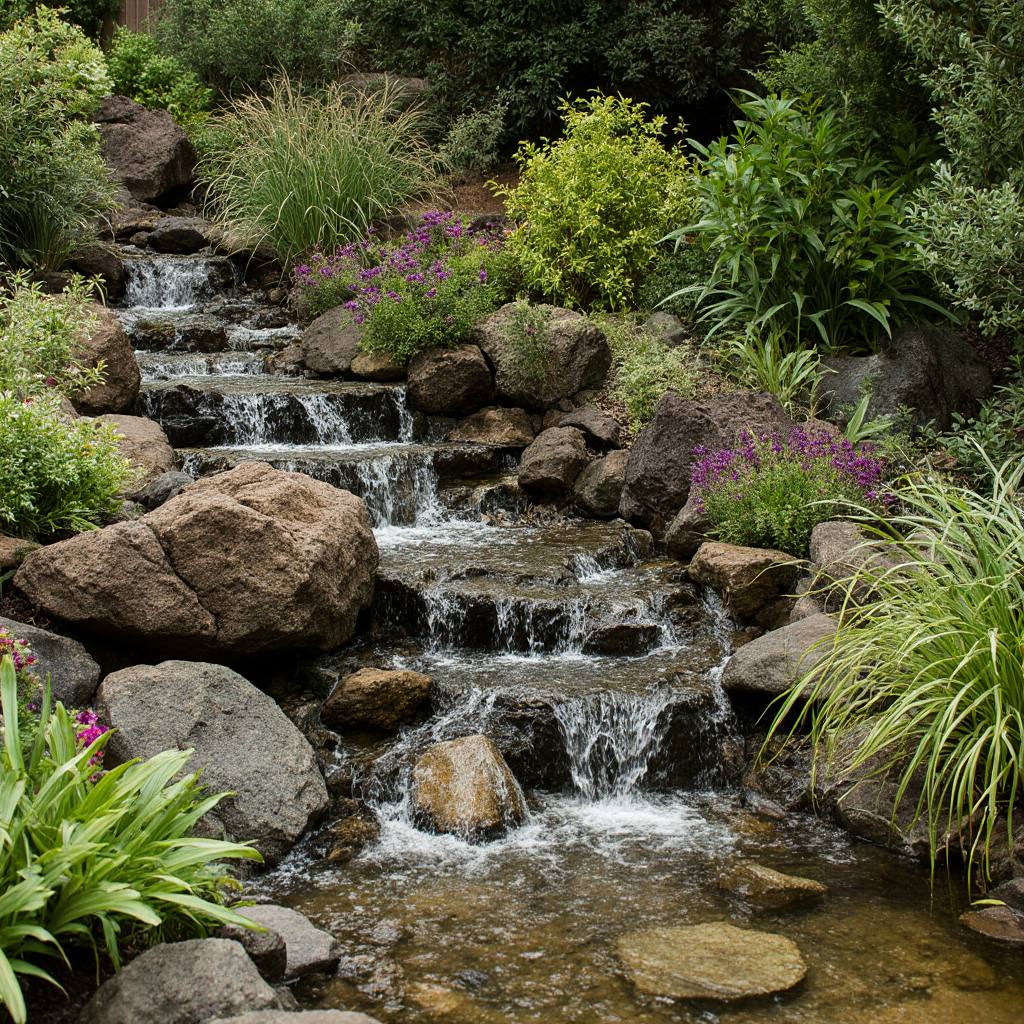
Overall, maintaining water areas in the garden is a task that requires a little effort, but the results can be stunning. With a bit of care and management, you can enjoy the beauty and tranquility of water in your garden.
Summary: Tips for Successfully Integrating Water Elements into Garden Design
Water elements like ponds, waterfalls, fountains, and water features can add a lot of charm and vitality to your garden. However, there are several things to consider when you are planning to integrate these elements.
Firstly, it’s important to match the size of the water element to the size of the garden. An overly large water element can feel overpowering and unbalanced, while a too small element may go unnoticed. Furthermore, if you plan to introduce fish or plants to the reservoir, make sure they have enough space to grow healthily.

Secondly, think about the location of the water element. Avoid placing it where the water is likely to dry up quickly, such as in an area exposed to direct sunlight for an extended period. Also, if you have pets, make sure the water element does not pose a danger to them.
Lastly, meticulous planning of the water flow system is crucial. A water element that does not flow properly may create problems like water stagnation or algae spread. Choosing an appropriate system will help ensure that the water element remains healthy and beautiful over time.
With careful planning and attention to detail, you can enjoy a water element that adds beauty and tranquility to your garden. Remember, the goal is to create a garden that delights you and your visitors.