

Understanding the Right Atmosphere for a Living Room
The color of the living room is one of the most influential factors on the room’s atmosphere. When choosing colors for the living room, we need to understand the atmosphere we are trying to create. Are we looking for a calm and soothing atmosphere? Maybe we are looking for a warm and light atmosphere? Or perhaps we are interested in an impressive and unique atmosphere?
When choosing colors for the living room, we need to consider the size of the room, the amount of natural light, the furniture style, and more. Sounds complicated? Don’t worry, we are here to help you understand the right atmosphere for your living room.
We start with the color of the walls. Light colors can make a small living room feel larger and more spacious. Dark colors, on the other hand, can create a more cozy and impressive atmosphere. Choosing the right color can also help highlight your furniture.
Don’t forget about the lighting. Warm colors can add a sense of warmth and coziness to a room, especially if the room is lit with natural light. Cool colors, on the other hand, can add a sense of calm and tranquility to a room.
“The colors of your living room are your window to the world. They tell your story.”
Ilana Stern – Artist
Lastly, it is important to consider your furniture style. If your furniture style is modern, you may want to choose modern and bold colors. If, on the other hand, your furniture style is classic, you may want to opt for more classic colors.
Ultimately, choosing colors for your living room is a matter of personal taste. You should choose colors that create the atmosphere you want to feel in your living room. So don’t wait, find the right atmosphere for your living room today!
How to Choose the Right Wall Colors
Choosing the right wall colors for your living room is a process that can significantly influence the atmosphere and appearance of the space. Here are some tips that can help you choose wisely.
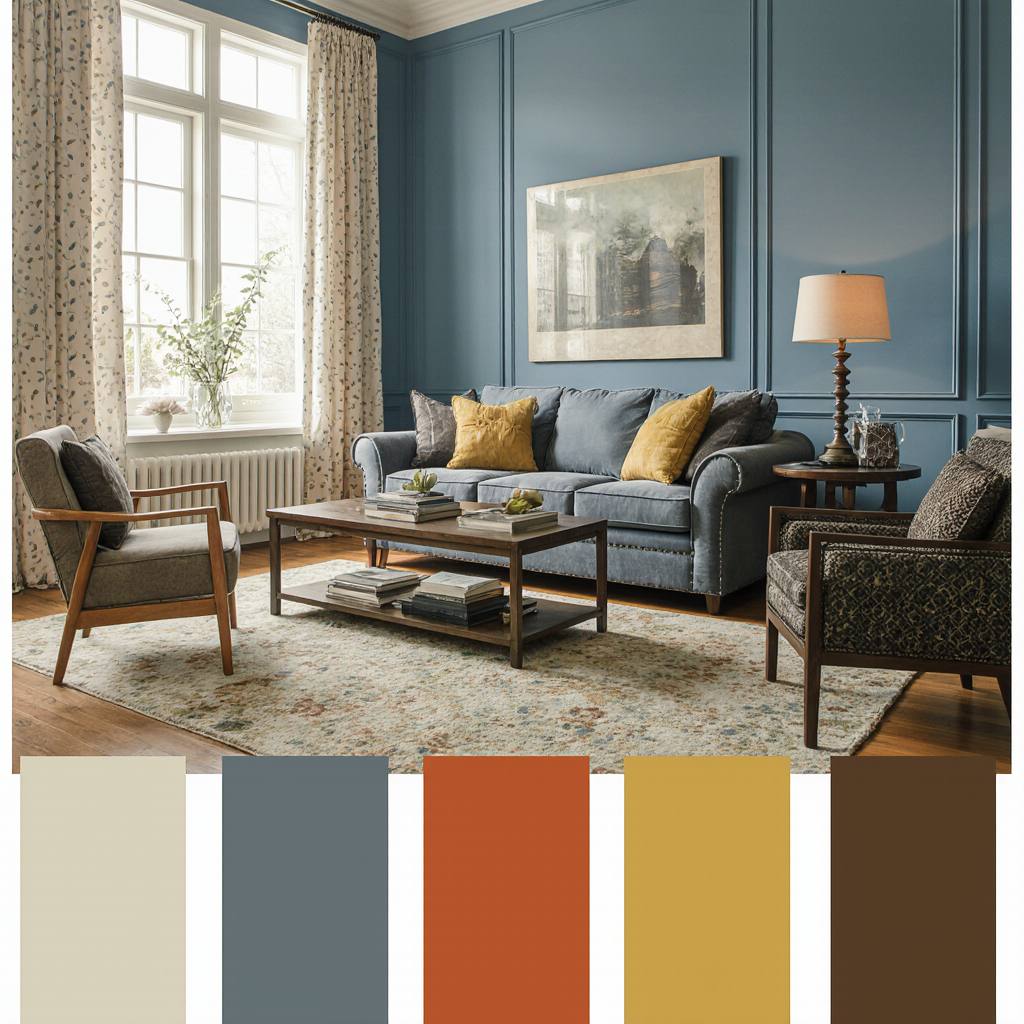
1. Define the atmosphere you want to create: If you are looking for a quiet and soothing space, choose cool colors like blue or green. If you prefer a warm and inviting space, go for warm colors like red, orange, or yellow.
“The right combination of colors can turn a small living room into a spacious and bright space.”
Abigail Rosen – Architect
2. Consider the lighting: If your space receives a lot of natural light, choose darker colors to create contrast. If, on the other hand, your space lacks light, opt for lighter colors to brighten the space.
3. Coordinate with the furniture: Choose colors that complement the furniture you already have. If you have a lot of dark furniture, consider using lighter colors on the walls. If, on the other hand, you have light furniture, go for darker colors.
4. Consider the space: Light colors can make a small room feel larger, while dark colors can create a more intimate atmosphere.
5. Try before you decide: Get a few color samples and try them on your living room wall before deciding on the final color. This way, you can see how the colors look in different lighting throughout the day and in the space’s atmosphere.
“The perfect color for your living room is the one that turns your house into a home.”
Shira Levi – Interior Designer
Choosing the right colors for your living room walls is a task that requires thought and planning. Invest time in exploring your options and think about what best suits you in terms of atmosphere, lighting, furniture, and space. With a little thought and planning, you can find the perfect color that will enhance your living room.
Considerations for Choosing Furniture Colors
Choosing the color of the furniture plays a central role in determining the atmosphere in the living room. Therefore, it is important to consider the following factors when choosing the color:
A. Matching the design style: The furniture color should match the room’s design style. For example, if the space is designed in a modern style, choose clean and minimalist colors like black, white, or gray. If the style is country or rustic, colors like brown, green, or orange may be more suitable.
B. Matching the wall color: The furniture should complement the wall color, not clash with it. If the walls are light, try choosing darker furniture colors to create contrast. If the walls are dark, light furniture can brighten the room.

C. Matching the lighting: Take into account the amount of natural light that reaches the living room. Light colors can enhance the feeling of light in a well-lit room, while dark colors create a pleasant and warm atmosphere in rooms with low light.
D. Matching the space size: Light colors can enhance the feeling of space in small rooms, while dark colors can add a sense of warmth and intimacy in larger spaces.
Remember, your choice of furniture colors will affect the space’s feel, so take the time to think about the effect you are trying to create. Are you looking for a calm and soothing atmosphere, or perhaps a warm and inviting atmosphere? Your color choice can help you achieve this look.
The Influence of Colors on the Living Room Space
The color is one of the most important tools in designing your living room. It can change the atmosphere, enhance the feeling of space, and add interesting details. When choosing colors for the living room, consider the various effects they can create.
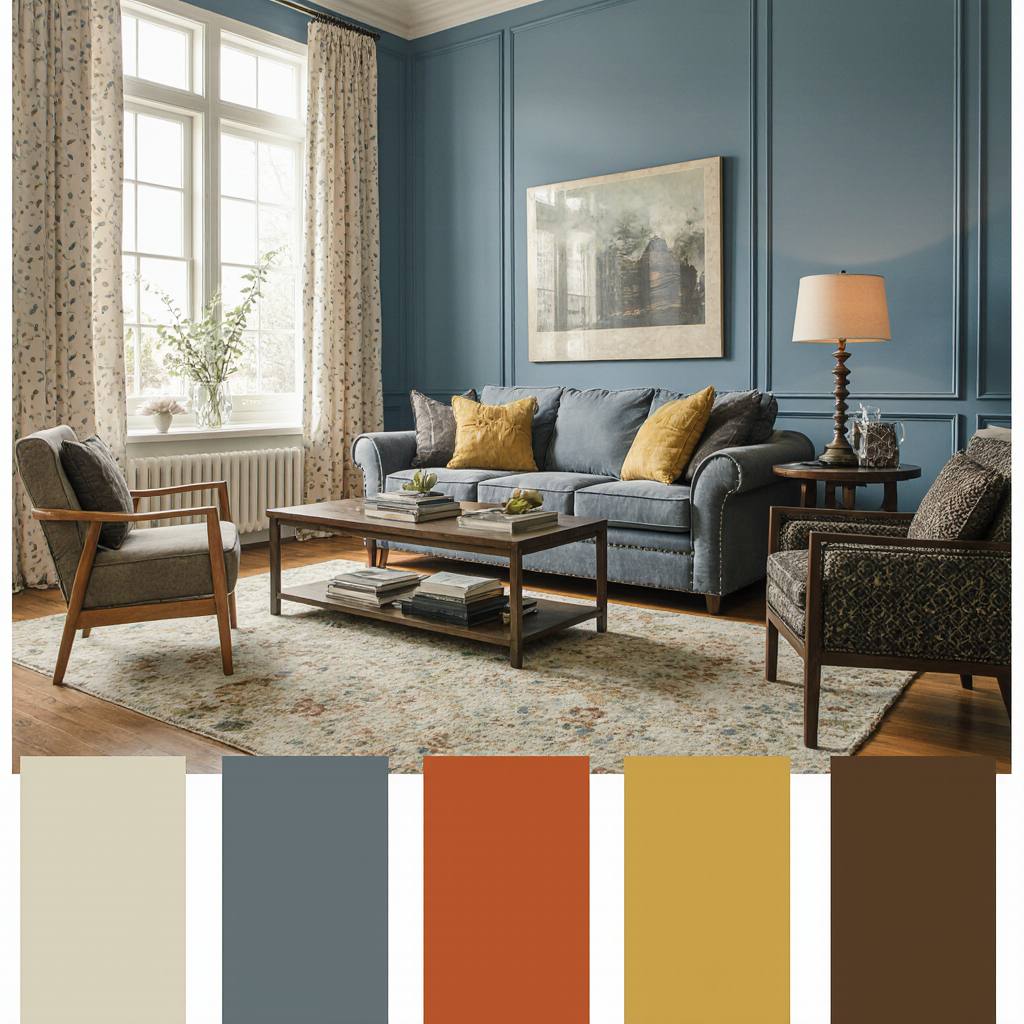
Warm colors like red, orange, and yellow can create a warm and inviting atmosphere. They are suitable for those who want to create a living room that encourages conversation and companionship. On the other hand, cool colors like blue, green, and purple can create a calming and refreshing atmosphere.
The combination of muted colors affects the feeling of space size. Light colors can make a small living room feel larger, while dark colors can make a large living room feel more cozy and warm.
Additionally, the influence of colors on the living room space varies according to daylight. Warm colors change significantly throughout the day, while cool colors remain relatively constant. Therefore, it is important to check the colors you are interested in using during different times of the day.
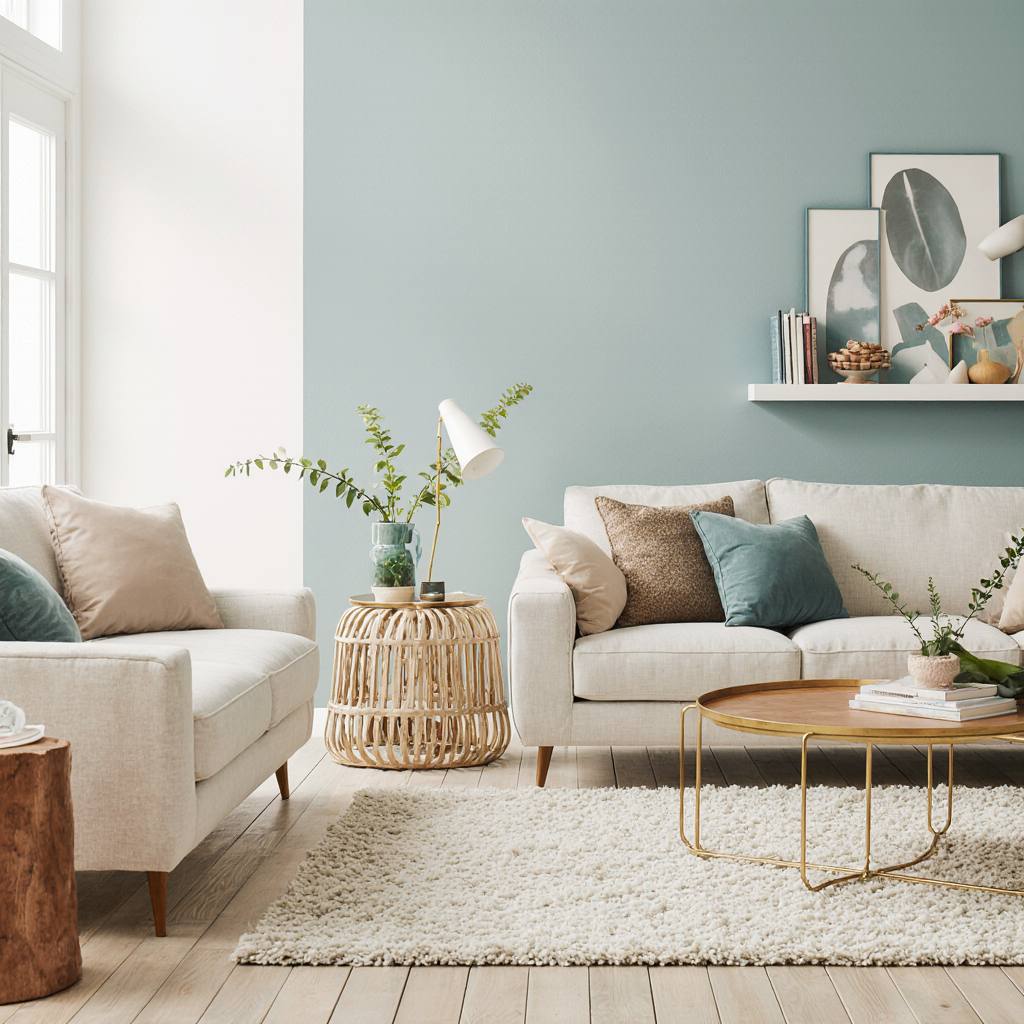
Choosing colors for your living room is a process that needs to be carefully considered, taking into account the furniture, accessories, and natural light in the space. The influence of colors on the living room space is significant, so it is important to choose colors that match your design style and the atmosphere you want to create.
Remember, choosing colors for your living room is an opportunity to express your personality and create a space that is warm, inviting, and soothing. So don’t look for the easiest solution, but explore and search for colors that create the perfect atmosphere in your living room.
The Importance of Color Coordination in the Living Room
The colors you choose for your living room have a great impact on the atmosphere and the feeling the space conveys. Certain colors can enhance the feeling of space, add warmth and intimacy, or improve natural lighting. Therefore, it is important to understand the importance of precise color coordination in the living room.
Color coordination does not have to be perfect, but it must be considered. Strong contrasts can create a stunning look but can also be tiring to the eye. The goal is to find the right balance between colors so that they work harmoniously and do not compete with each other.
Additionally, it is important to consider the natural light in the space. Warm colors can add warmth to less illuminated spaces, while cool colors can calm brightly lit spaces. Therefore, it is important to familiarize yourself with your space before choosing colors.
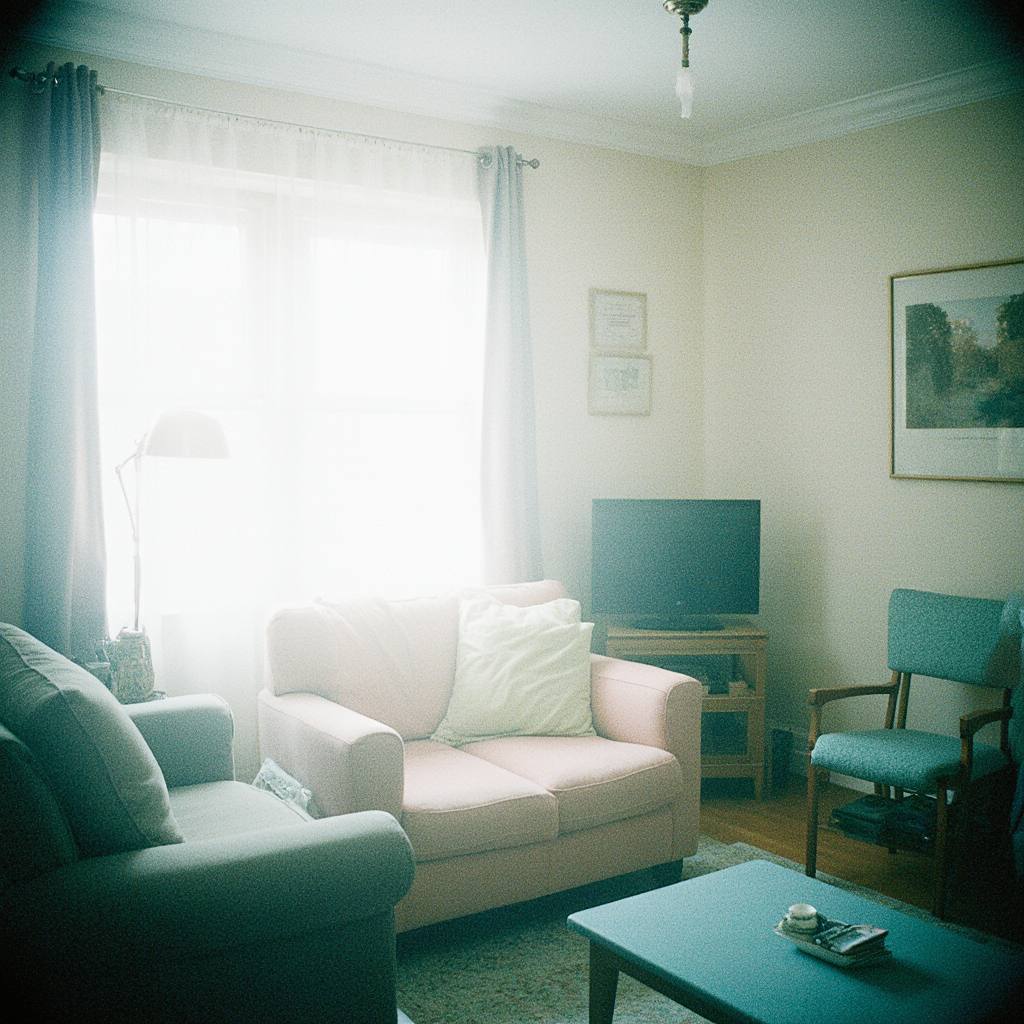
Finally, do not forget that the living room is a place where you spend a lot of time. The colors you choose should be ones that you love and feel comfortable with. If you are unsure, start with light and pleasant colors that you can add accents of stronger colors to.
Choosing the right colors for your living room is a task that requires thought and planning. However, if you choose wisely, colors can enhance the space and create an atmosphere that you love to return to every day.
Tips for Maintaining Color Harmony in the Living Room
One of the major challenges in living room design is maintaining color harmony. The truth is, there is no magic in this, but there are some tips that can help you keep your colors vibrant and bright at all times.
Separate Colors
If you want to maintain the color harmony of the living room, you need to separate the colors. This means that if, for example, you have a blue sofa, then you need to ensure that the rest will be in other colors. It could be orange, green, or any other color that won’t mix with blue.
Use Different Shades
If you want to maintain the color harmony of the living room, you need to use different shades of the same color. For example, if you chose blue for the sofa, then you can use different shades of blue for the other furniture in the living room.
Utilize Complementary Colors
If you want to maintain the color harmony of the living room, you need to use complementary colors. For example, if you chose blue for the sofa, then you can use orange or yellow for the other furniture in the living room.
Existence of Secondary Materials and Colors
In addition to the main colors you chose, you can use secondary materials and colors that will enhance the color harmony of the living room. For example, you can add wooden furniture that will enhance the tones of the living room or add decorations in different colors that will enhance the main color.
Preserving Colors
In the case of the living room, it is important to preserve the colors. This means that if, for example, the color of the sofa starts to fade, then you need to take care of it immediately. You can do this by refreshing the color or by preserving the furniture in advance.
Overall, maintaining color harmony in the living room is a task that requires thought and planning. If you manage your living room with care and think about the colors you chose, you can enjoy a colorful and stunning living room at all times.