

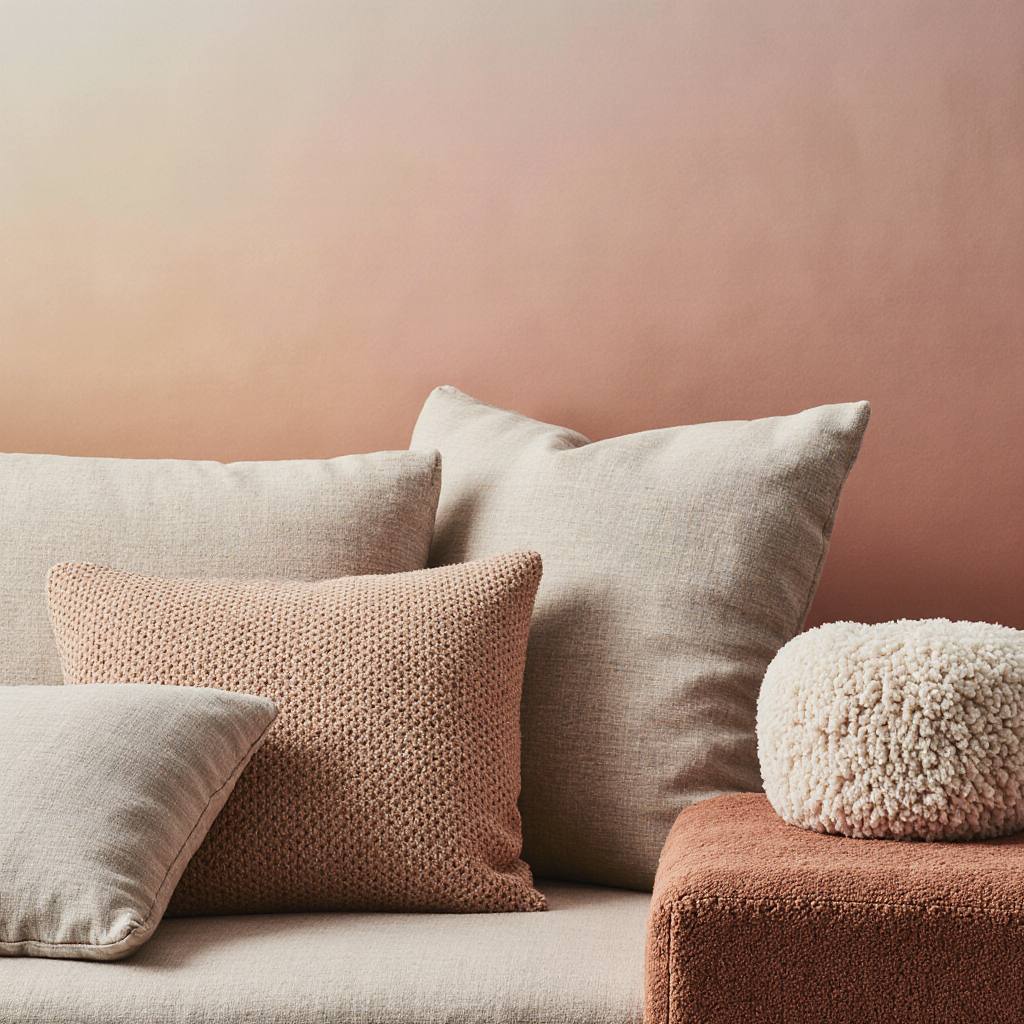
Choosing Textiles for the Living Room
Choosing textiles for the living room is a significant process in designing the space. The materials, colors, and patterns of the textiles you choose can significantly influence the feel and ambiance in the space. Additionally, they can serve as a focal point in the living room design and give it a refined and finished look.
Choosing textiles for the living room starts with deciding on the style you want to achieve. Do you prefer a modern and clean look? Or do you resonate more with a classic or rustic style? This decision will help you focus on textiles that can support your design style.
Furthermore, consider the colors you want to use in the living room design. Textiles in vibrant colors can add liveliness and warmth to the space, while textiles in muted colors can lend it a classic and sophisticated appearance. Additionally, textiles in varied colors can add interest and a dynamic look to the living room.
After choosing the style and colors, you can start looking for suitable textiles. Take into account the materials, appearance, and maintenance of the textiles. Are they suitable for the atmosphere you are trying to create? Can they withstand the daily life test in your living room?
“The right combination of textiles gives a space a feeling of wholeness, of belonging.”
Michal Goldberg – Leading Interior Designer
Choosing textiles for the living room is a process that requires careful consideration and meticulous planning. With the right tools and a bit of creativity, you can create a perfectly designed living room that reflects your personal taste.
How to Incorporate Textiles in Living Room Design
Incorporating textiles in living room design is an excellent way to add color, texture, and warmth to the space. Towels, bedspreads, cushions, and clothing are just a few examples of how you can make your living room more interesting and inviting.
Choosing Textiles: Choosing the right textiles depends on the design style of your living room. If you prefer a modern style, opt for textiles with geometric shapes and light colors. If you prefer a more classic style, choose textiles with floral patterns or warm colors that evoke coziness.
Combining Textiles: When combining textiles in your living room, it’s important to maintain balance. Do not mix more than three different patterns in the same space. On the other hand, if you prefer a minimalist look, choose textiles in a single color or simple pattern.
“Textiles are the best storytellers of your space. They tell the story of the space.”
Yosef Cohen – Interior Designer
Matching Textiles to Furniture: It’s important to match the textiles to the furniture in the space. If you have a large dark sofa, try combining some light-colored cushions with interesting patterns. If you have furniture in a classic style, choose textiles that complement the style.
Seasonal Textile Rotation: One of the advantages of integrating textiles in living room design is the ability to easily change the look and feel of the space. In winter, choose heavy and warm textiles. In summer, opt for light and bright textiles.

By incorporating textiles into your living room design, you can create a space that is unique, personal, and inviting. With the wide variety of patterns, colors, and textures available, the possibilities are endless.
Examples of Textile Integration in Living Room Design
The combination of textile materials in living room design presents the opportunity to enhance the warmth and comfort of the space. Textiles can change the atmosphere of the space, add color and character, and turn the living room into a cozy and inviting place to be.
One of the most common ways to integrate textiles in the living room is through blankets and cushions. A soft textile blanket can elevate any sofa or chair, and cushions complement the look. Play with shapes, sizes, colors, and patterns of the cushions to add interest to the design.
Curtains and window treatments made of textiles also influence the atmosphere of the living room. They provide privacy, control unnecessary light, and of course, they can add color and style. Choose colors and patterns that complement the design of the space, and don’t forget to coordinate them with the other textiles in the space.
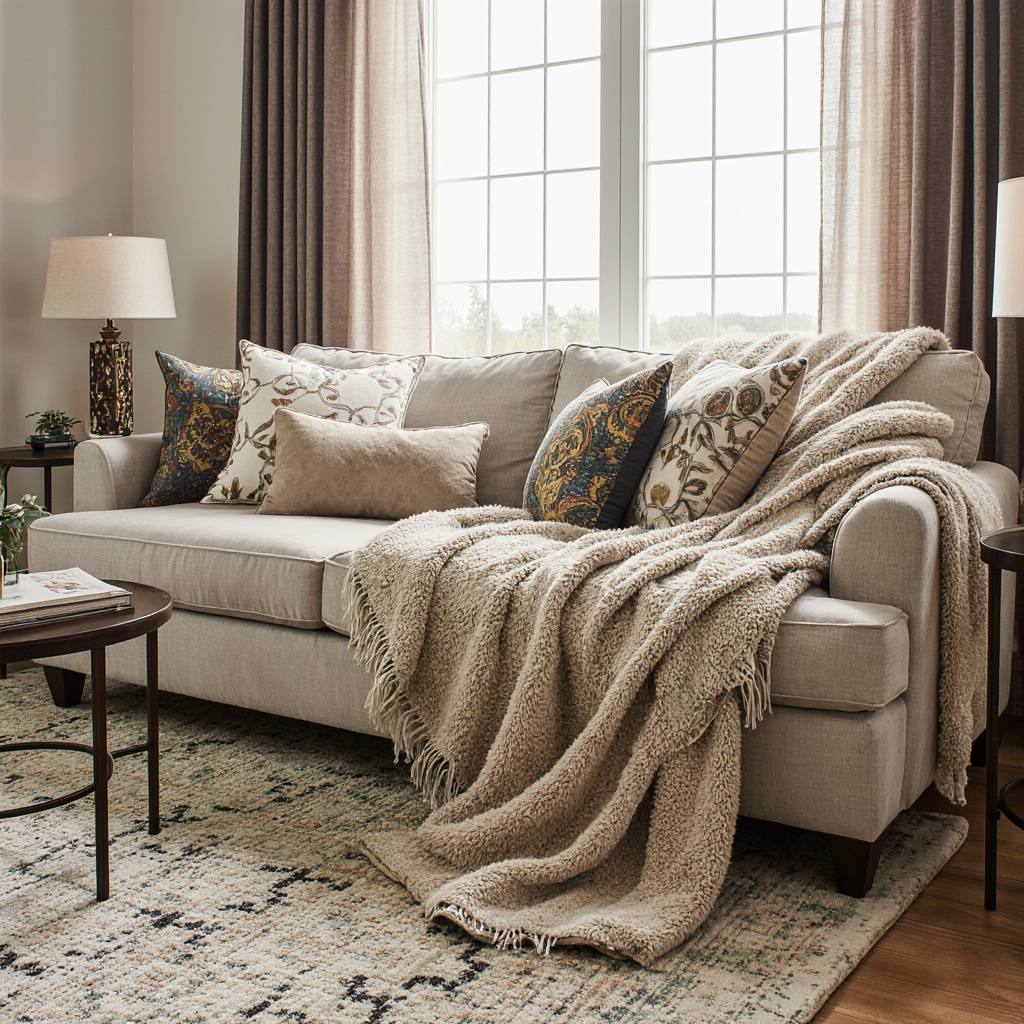
If you want to add something special to your design, consider a rug. A rug can add color, texture, and warmth to the living room. It also defines the area of the living room, changes the feel of the space, and provides a base for your other furniture pieces.
Finally, don’t forget the small details. Textile table runners, textile bags, and even books bound in textile materials can add your final touch to the living room design.
With the right consideration and judicious use of textiles, your living room can become a place you love to spend time in, and a place you’ll want to invite your friends to. So let textiles help you design your perfect living room!
Tips for Maintaining Textiles in the Living Room
The textiles in your living room play a crucial role in influencing the atmosphere and style of the space. Whether it’s furniture covered in fabric, curtains on windows, or napkins on the table, it’s important to maintain your textiles to keep them impressive and in good condition over time.
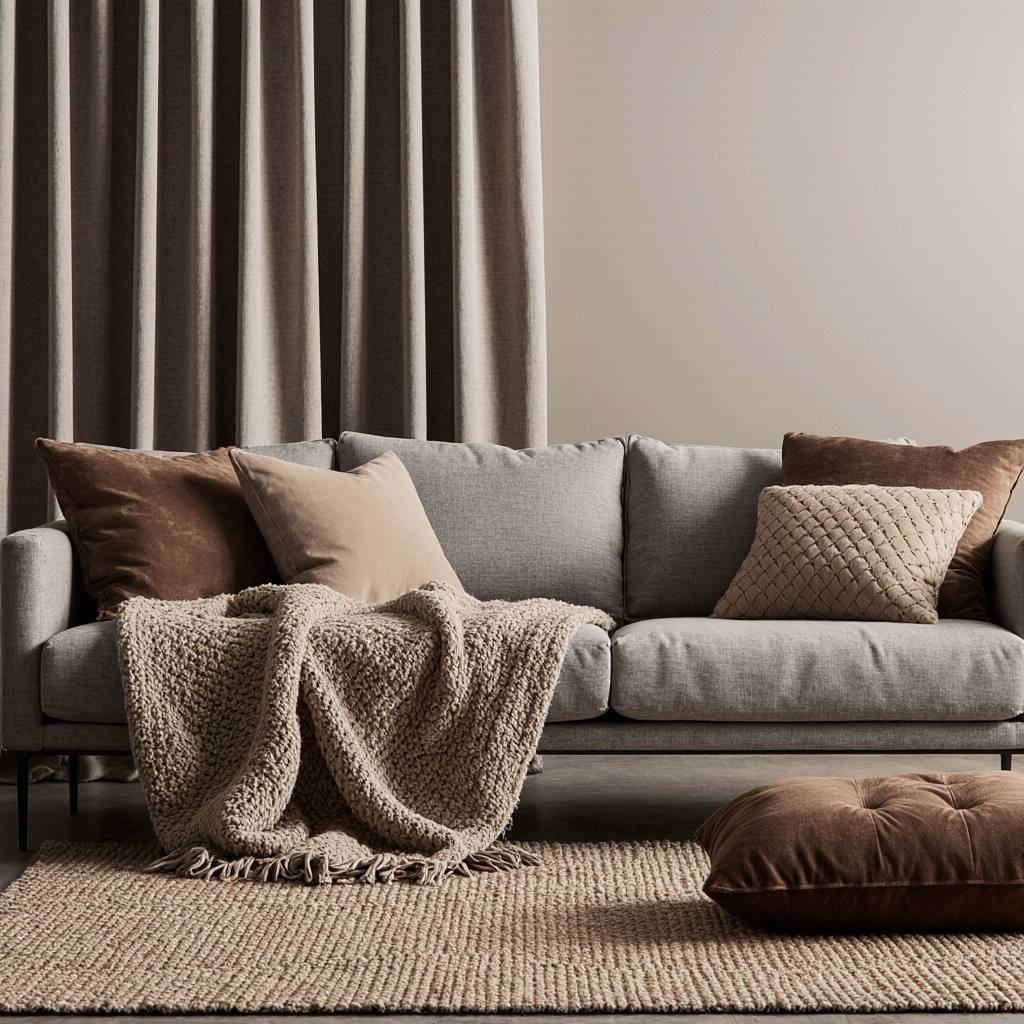
One of the best ways to maintain the textiles in your living room is through regular cleaning and upkeep. This includes thorough vacuuming, occasional stain removal, and getting rid of any food or drink residues spilled on the fabrics.
Additionally, it’s important to protect your textiles from direct sunlight. Sun rays can cause colors to fade and age the fabrics. Keeping blinds or curtains drawn most of the day can help prolong the life of your textiles.
Regular upkeep is also crucial to maintaining your living room furniture. Periodically, check the furniture for signs of wear or damage and repair them as soon as possible.
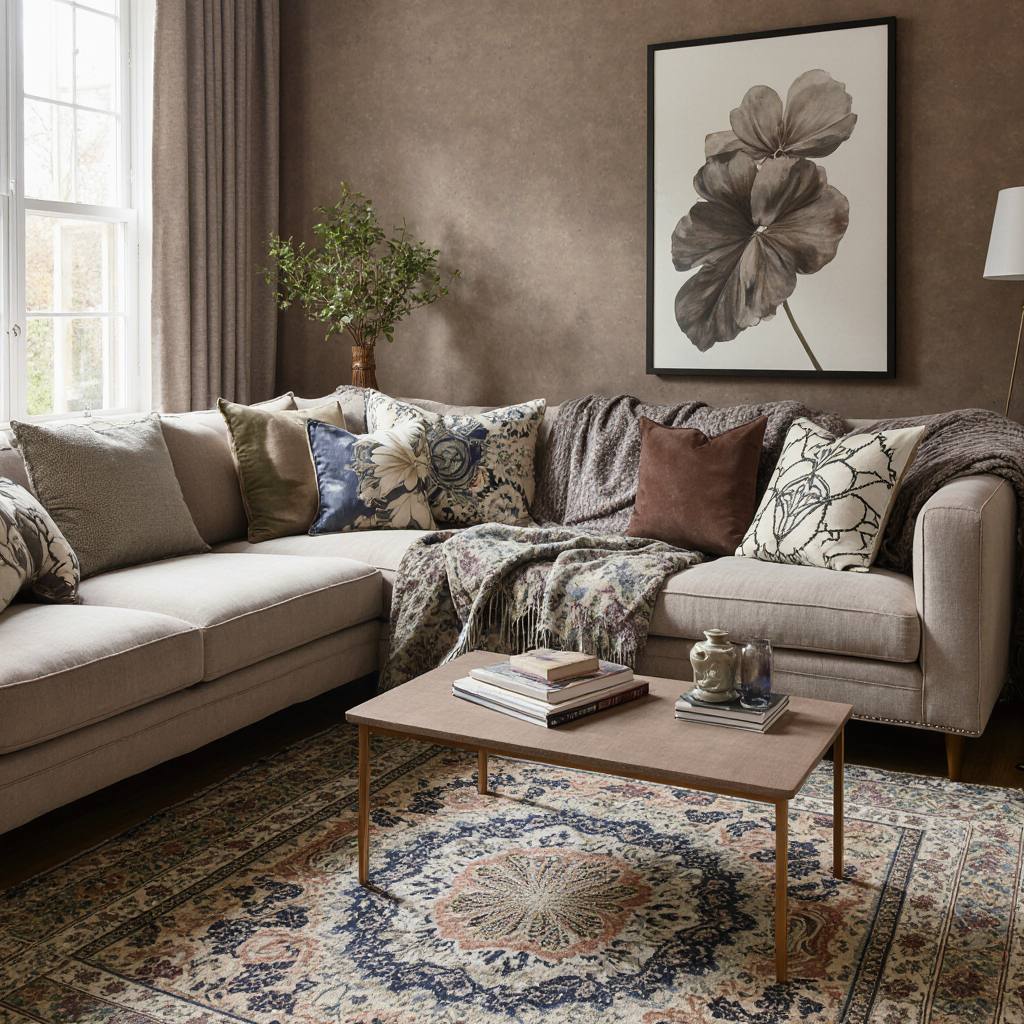
Finally, consider the materials your textiles are made of and their specific cleaning and maintenance requirements. Some materials have special cleaning and maintenance needs, and it’s important to know how to care for them accordingly.
In short, maintaining the textiles in your living room will not only keep them looking good and in good condition but also extend their lifespan and preserve the atmosphere and style of your living room.
Changing the Design of the Living Room through Textile Replacement
Replacing textiles in the living room is an excellent way to change the atmosphere, add color, and life to the space. Textiles can adapt to any design style – from modern, classic, rustic, vintage, or eclectic.
From sofas, curtains, bedspreads, cushions, and even rugs – all of these can be replaced to create a significant change in the atmosphere of the living room. Replacing textiles in the living room is a simple process that does not require much time or money but can lead to a significant change in the overall look of the space.
“Textiles are your artist; they help you create the space you desire.”
Dafna Hayim – Leading Interior Designer
Choosing the right textiles is a meticulous process that involves careful examination of colors, patterns, and materials. Consider the tones used in the space, the hues of the furniture, and the atmosphere you want to create. Choose textiles that complement the existing design but also add a personal and unique touch.
For example, if your living room is designed in a modern style, you’ll want to choose textiles in neutral colors and geometric patterns. If your living room is designed in a rustic style, opt for textiles in warm colors and organic or floral patterns.
Replacing textiles in the living room is an excellent way to upgrade the design of the space through a small yet significant change. So why wait? Start looking for the right textiles for your living room today!