

Choosing the Right Type of Lighting
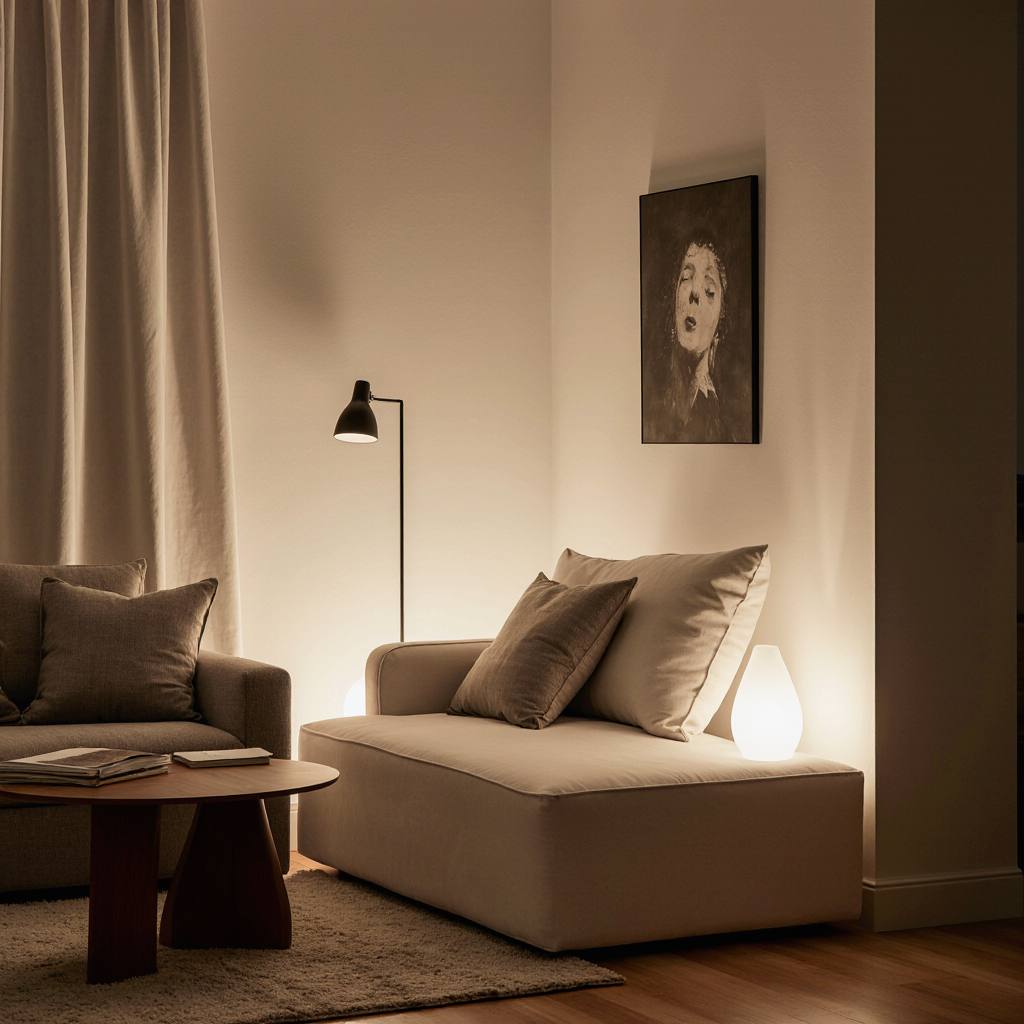
Choosing the right type of lighting for your living room is not a simple task. Lighting can affect a variety of factors, including the atmosphere, color tones, and even the feeling of the space. Here, we offer you a number of tips that can help you choose the right type of lighting.
Main Lighting: The main lighting is the primary lighting in the room. It can be a ceiling light, wall light, or floor lamp. The goal of main lighting is to evenly illuminate the space.
Accent Lighting: Accent lighting is used to emphasize specific elements in the space, such as a prominent picture on the wall, a bookshelf, or a work area. It can include table lamps, reading lamps, or directional lamps.
Landscape Lighting: This is lighting used to highlight specific areas in the space, such as plant corners, sculptures, or other design objects. It is lighting used to add depth and space to the room.
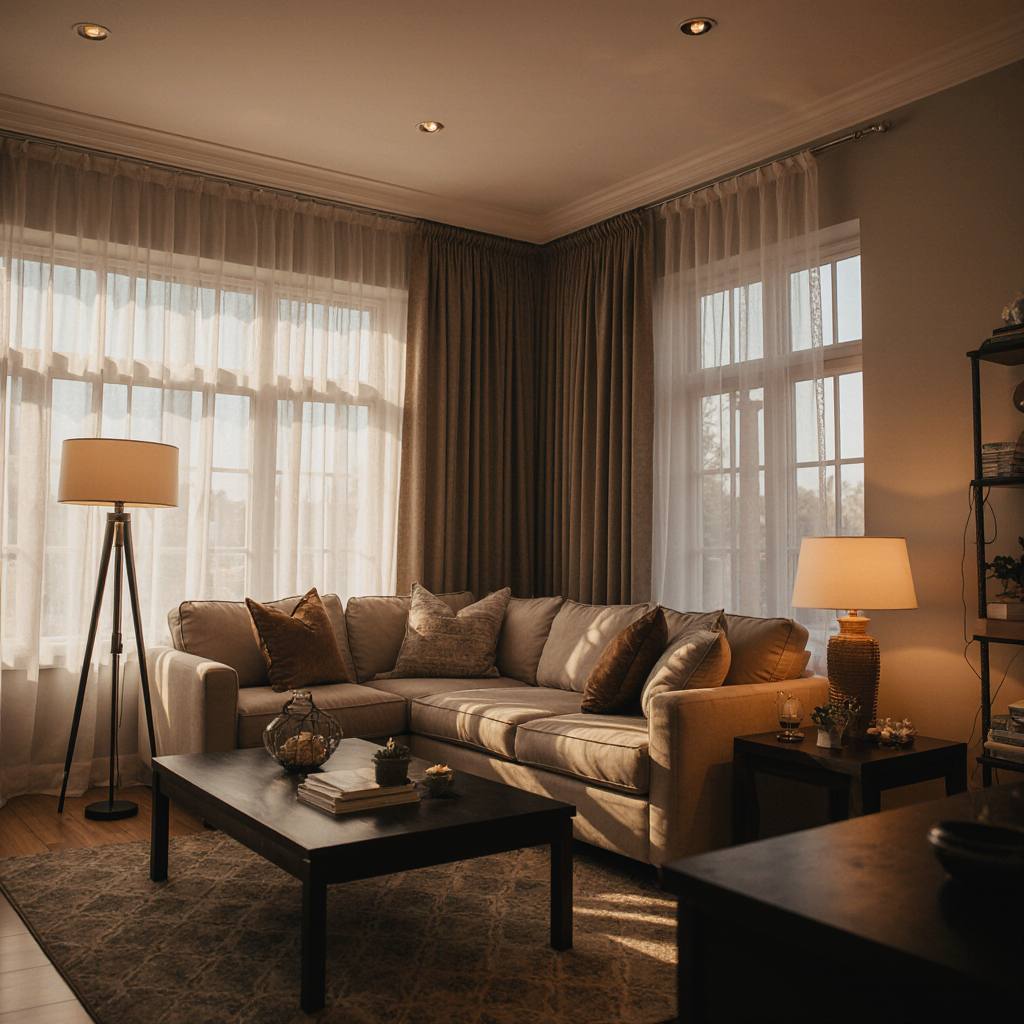
Task Lighting: This is a type of lighting used for specific tasks, such as reading, cooking, or working. It can include table lamps, reading lamps, or directional lamps.
Choosing the appropriate lighting for your living room depends on a variety of factors, including your needs, budget, the style of the space, and the atmosphere you are trying to create. Consider all the options and choose the option that best suits you.
The Impact of Lighting on the Atmosphere in the Living Room
Few understand the impact of lighting on the atmosphere in the living room. Proper lighting can completely change the feeling and atmosphere in the space, upgrade the design, and present it in the best way possible.
Strong lighting can create an energetic, vibrant atmosphere, while weak lighting can create a calm and peaceful atmosphere. If you want to create a flattering and pleasant atmosphere, pay attention to choosing warm temperature lighting. In contrast, if you are interested in a refreshing and stimulating atmosphere, choose cool temperature lighting.
So how can you combine different types of lighting? It depends on the purpose of the space. In a living room, for example, you may need strong general lighting for reading or watching TV, but also pleasant lighting for casual evening conversations. You can achieve both goals by combining ceiling lights and table lamps or floor lamps.
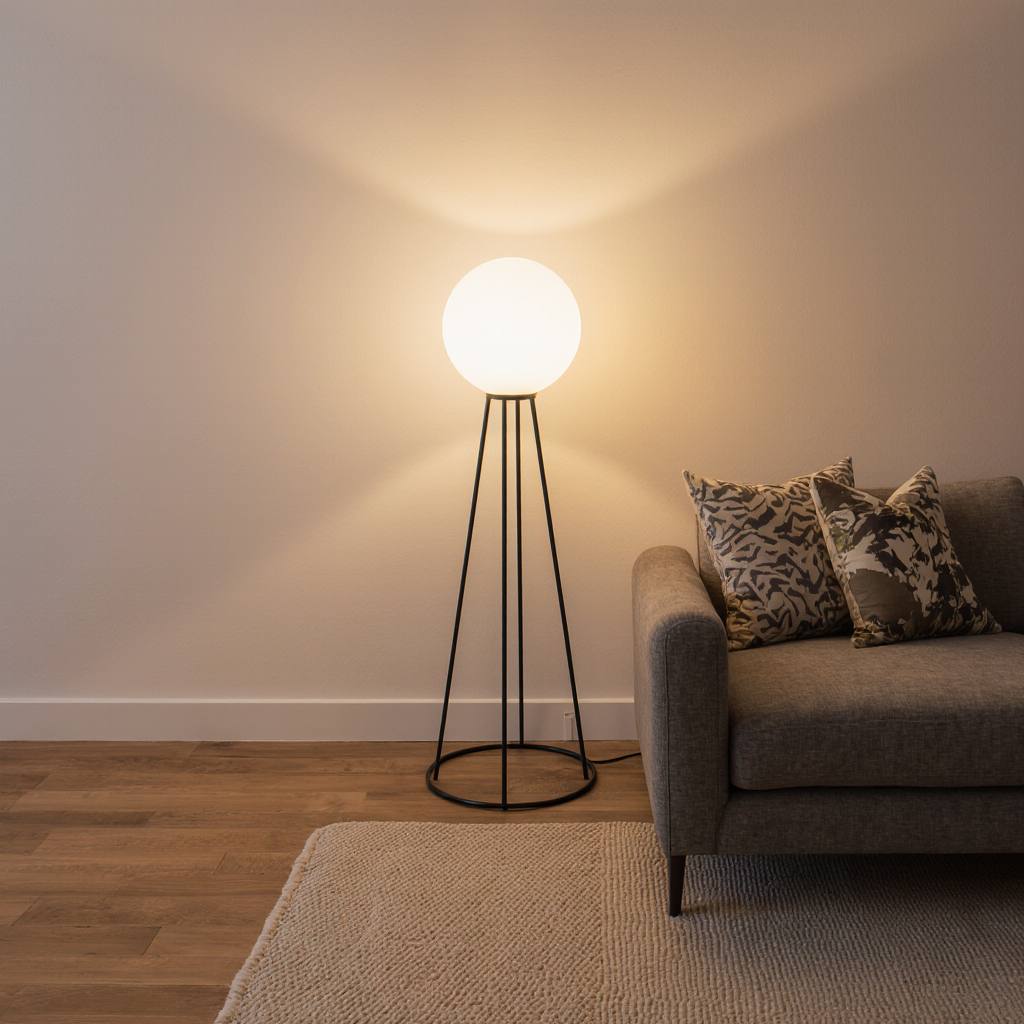
In addition, pay attention to the placement of the lights. A lamp placed behind a seating area can enhance the feeling of the space, while a lamp placed above a seating area can create a sense of pressure.
In short, the right lighting can significantly improve the atmosphere in your living room. It can change the feeling in the space, present your design in the best way possible, and turn your living room into a place you love to be in.
How to Combine Different Lighting Secrets
Combining multiple types of lighting in your living room can add depth and atmosphere to the space. Here are some tips on how to harmoniously combine different types of lighting.
1. General Lighting: This is the basic type of lighting for any space. Its purpose is to evenly and uniformly illuminate the space. This can be achieved through central ceiling lighting or lights that illuminate the entire space.
“Appropriate lighting in the living room can save the space from feeling cold and sterile.”
Dana Levi – Interior Design Specialist
2. Functional Lighting: This type of lighting is used to illuminate specific areas of the space where more efficient and stronger lighting is needed. This could be a small table in the living room where you read, or the TV area where you want to watch without disturbing the rest of the space.
3. Ambient Lighting: This type of lighting is used to create a specific atmosphere in the space. It could be a dimmable light that allows you to change the light level according to your mood, or candles to create a romantic atmosphere.
There is no need to choose between the different types of lighting, but rather to integrate them harmoniously. For example, you can place a central ceiling light for general lighting, a table with a lamp for functional lighting, and small candles on the shelf for ambient lighting.
Finally, it’s important to remember that lighting is just one part of the overall design of the space. Therefore, consider other elements in the space, such as furniture, colors, and materials, when choosing lighting.
Placement of Lighting in the Living Room
One of the most influential factors on the atmosphere of your living room is lighting. Proper lighting can turn any space into a warm, inviting, and perfectly designed space. The placement of light sources in the space is a significant factor in creating the right atmosphere. Choose the right placement for your lighting while maintaining a proper balance between natural and artificial light.
“Proper lighting in the living room is always a combination of general lighting, functional lighting, and ambient lighting.”
Shimon Rosenburg – Leading Interior Designer
The first place to pay attention to is the surfaces where the light is located. For example, if you have a small table on one side of the living room, using a table lamp can create a pleasant and warm atmosphere. In addition, wall lighting allows you to emphasize special details in the design of the space, such as pictures or shelves.
Additional options for lighting placement in the living room include ceiling lights, pendant lights, wall lights, or even floor lamps. It is important to pay attention to the balance between low and high light to avoid creating unwanted shadows.
According to experts, placing lighting diagonally in the space creates a more effective and focused lighting effect. In addition, the placement of light sources should match the functionality of the space. For example, if you have a reading area in the living room, it would be useful to place a brighter lamp there.
“Although lighting in the living room changes the atmosphere, it is important to maintain balance and not turn the space into a theater.”
Miriam Schwartz – Lighting and Design Specialist
Ultimately, the decision on the right placement of lighting in your living room depends on your personal taste and how you use the space. Proper lighting can upgrade your living room and make it a bright, warm, and inviting place.
Lighting as a Tool in Living Room Design
Proper lighting in the living room is one of the central elements in space design. It not only gives the space a sense of comfort and warmth but also enhances the feeling of space and size of the room. Additionally, lighting affects the colors and tones of the furniture and accessories in the living room.
Lighting in the living room can be integrated and composed of a variety of different light sources: ceiling lights, wall lights, table lamps, floor lamps, pendant lights, and more. Each of these lighting sources serves a specific purpose, and their combination allows for the desired effect.
For example, ceiling lights are used for general lighting of the space, while wall and table lamps allow you to emphasize specific areas in the space and create effects of shadow and light. Track lights, on the other hand, allow you to adjust the lighting for a specific feeling or purpose, such as reading or watching TV.
It is important to remember that the right lighting depends not only on the type of lamps and their placement but also on how the light is distributed in the space. Therefore, in designing the lighting of the living room, consider adapting the type of lamps, the amount of light they enhance, the color of the light, and its direction to the desired purpose.
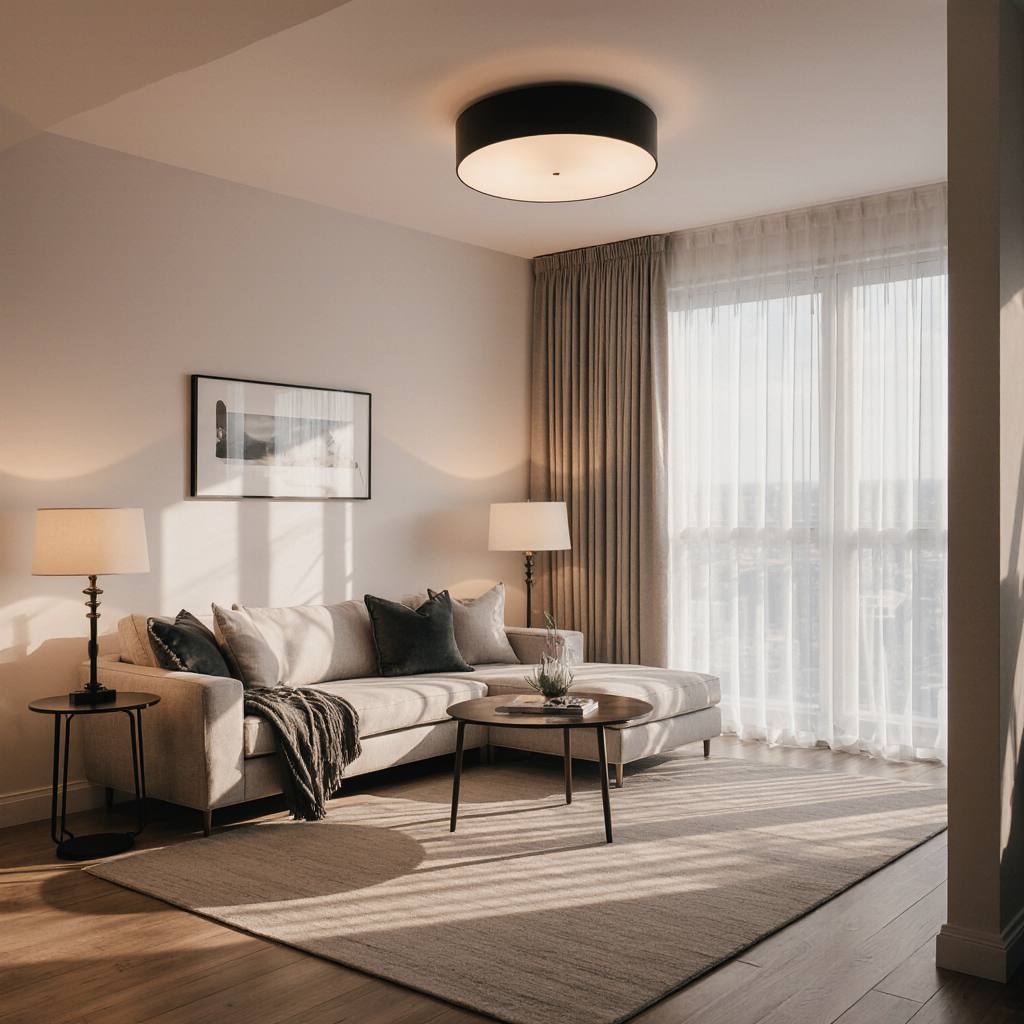
Choosing the right lighting can change the feel of the space in the living room, highlight or hide specific areas, change the perception of colors and textures of furniture and accessories, and allow for different purposes within the same space.
In other words, lighting is a powerful design tool that can change the look and feel of the living room, creating the desired atmosphere in it.
Smart Lighting – Is It the Right Choice for Your Living Room?
Smart lighting is the most modern solution for lighting in the living room. But is it the right option for you? While smart lighting allows us to control home lights remotely through a smartphone app, adjust light intensity, change light color, and even schedule lightings for specific hours, are these all just advantages?
One of the main advantages of smart lighting is personalization. You can change the color and intensity of the light according to your mood, time of day, or activity you are doing. This allows you to create the atmosphere that suits you at any moment.

However, there are also drawbacks to smart lighting. Although controlling lighting through a smartphone gives you flexibility, it may be cumbersome to search for your phone every time you want to change the light. In addition, installation may be more complicated than regular lighting.
Also, consider the cost of smart lighting. The price of smart bulbs is usually higher than regular bulbs, and you should also consider the cost of installation and maintenance.
In conclusion, smart lighting can add significant value to your living room if you are interested in remote control and personal customization of lighting. However, always consider the cost and effort required for installation and maintenance.
In summary, smart lighting can be the right solution for you if you are interested in remote control and personal customization of lighting in your living room. However, always consider the cost and effort required for installation and maintenance. It may be a worthwhile investment if you want to enhance your living experience.